

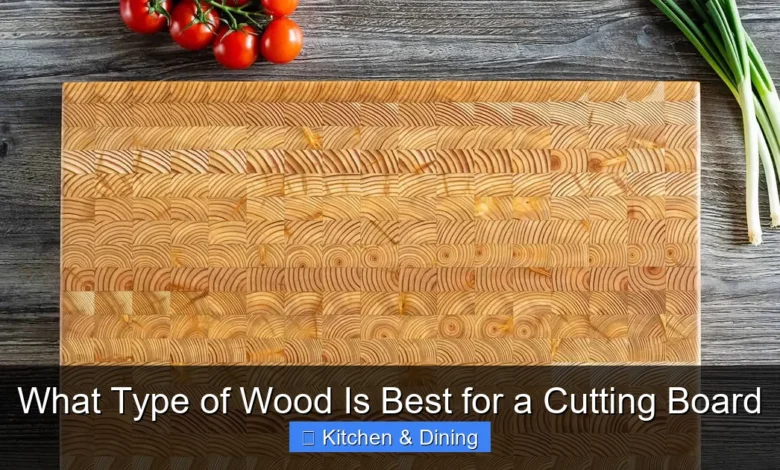
Choosing the right wood for your cutting board is crucial for knife longevity and hygiene. This guide explores the best wood types, focusing on their durability, knife-friendliness, and maintenance needs. Hardwoods like maple, walnut, and cherry are top choices, offering a balance of strength and gentleness on your blades. We’ll break down the pros and cons of each to help you make an informed decision for your kitchen.
Welcome to the ultimate guide on selecting the perfect wood for your cutting board! A good cutting board is more than just a kitchen accessory; it’s a vital tool that protects your countertops, preserves the sharpness of your knives, and ensures food safety. But with so many wood options available, how do you know which one is truly the best? This guide will demystify the world of cutting board woods, helping you understand the qualities that make a wood suitable, explore the top contenders, and even touch on maintenance. By the end, you’ll be equipped to choose a cutting board that will serve you beautifully for years to come.
Key Takeaways
- Hardwood is King: Dense hardwoods are ideal for cutting boards because they are durable, resist deep knife marks, and don’t harbor bacteria easily.
- Maple: The Classic Choice: Hard maple is highly recommended for its tight grain, excellent durability, and minimal impact on knife edges, making it a popular professional choice.
- Walnut: Rich and Stylish: Black walnut offers a beautiful dark aesthetic and is softer than maple, making it very kind to knives, though it can show wear more readily.
- Cherry: Elegant and Durable: American cherry is known for its attractive color that deepens with age and its good durability, though it’s slightly softer than maple.
- Acacia: A Sustainable Option: Acacia is a popular choice due to its natural beauty, good durability, and resistance to water and stains, often representing a more eco-friendly option.
- End Grain vs. Edge Grain: End-grain boards are generally more durable and gentler on knives than edge-grain boards, but they also require more maintenance.
- Avoid Softwoods and Porous Woods: Woods like pine, fir, oak, and bamboo (though often marketed as a cutting board material, its silica content can dull knives) should generally be avoided for optimal performance and longevity.
Understanding the Qualities of the Best Cutting Board Wood
Before we dive into specific wood types, let’s talk about what makes a wood great for cutting boards. It boils down to a few key characteristics: hardness, grain structure, and porosity.
Hardness: The Balancing Act
You want a wood that’s hard enough to resist deep knife cuts and scratches. If the wood is too soft, your knife will dig into it easily, creating grooves where bacteria can hide and dulling your blade faster. However, you don’t want wood that’s *too* hard. If it’s incredibly dense, it can actually dull your knives more quickly. Think of it as a gentle resilience. The goal is a surface that yields slightly to your knife but springs back, preventing damage to both the board and your blade. Janka hardness ratings can be a useful guide here, but it’s not the only factor.
Grain Structure: Tight is Right
A tight, closed grain is crucial for cutting boards. Woods with open pores, like red oak or ash, are more likely to absorb liquids, leading to staining, warping, and the potential growth of mold and bacteria. Woods with a fine, interlocking grain are less porous, making them more hygienic and easier to clean. This is why hardwoods are generally preferred over softwoods.
Porosity and Moisture Resistance
Related to grain structure, porosity determines how well a wood resists moisture. Cutting boards inevitably get wet. A wood that absorbs a lot of water can warp, crack, or become a breeding ground for germs. Woods that are naturally more resistant to moisture are ideal for the demanding environment of a kitchen.
Knife-Friendliness
This is a critical consideration. The best cutting board wood will be kind to your knives. It means the wood’s surface won’t aggressively dull your blade with every chop. A good balance of hardness and a tight grain usually ensures this. You want a surface that provides a satisfying feel when you cut, not one that feels like you’re sawing through concrete.
The Top Wood Choices for Cutting Boards
Now that we understand what to look for, let’s explore the most popular and highly recommended wood types for cutting boards.
Hard Maple (Sugar Maple)
When most chefs and culinary professionals think of the best wood for a cutting board, hard maple is often the first to come to mind. This North American hardwood is a workhorse for a reason.
Visual guide about What Type of Wood Is Best for a Cutting Board
Image source: img.allw.mn
Visual guide about What Type of Wood Is Best for a Cutting Board
Image source: dzasv7x7a867v.cloudfront.net
Pros of Hard Maple:
- Exceptional Durability: Hard maple has a high Janka hardness rating, meaning it’s very resistant to knife marks and wear.
- Tight Grain: Its fine, closed grain makes it non-porous, preventing liquid absorption and making it hygienic.
- Knife-Friendly: Despite its hardness, maple’s grain structure is gentle on knife edges, helping them stay sharp longer, especially when compared to harder materials like glass or stone.
- Widely Available: It’s a common and relatively affordable hardwood.
- Aesthetically Pleasing: Its light, creamy color offers a clean, classic look that fits into any kitchen.
Cons of Hard Maple:
- Can Show Stains: While it resists absorption, very strong pigments (like from beets or turmeric) can sometimes stain the surface if not cleaned promptly.
- Can be Heavy: A large maple board can be quite heavy.
Best For:
Anyone looking for a durable, long-lasting cutting board that prioritizes knife longevity. It’s a favorite among professional chefs and home cooks alike.
Black Walnut
If you’re looking for a cutting board with a bit more visual drama, black walnut is an excellent choice. This North American hardwood is prized for its rich, dark color.

Visual guide about What Type of Wood Is Best for a Cutting Board
Image source: img.allw.mn
Pros of Black Walnut:
- Beautiful Aesthetic: Its deep, chocolatey brown color adds a touch of elegance to any kitchen.
- Very Knife-Friendly: Walnut is slightly softer than maple, making it incredibly gentle on your knife edges.
- Good Durability: It holds up well to daily use, though it might show minor wear marks slightly faster than maple.
- Less Prone to Staining: The dark color naturally hides minor stains better than lighter woods.
Cons of Black Walnut:
- More Expensive: Walnut is typically more costly than maple.
- Can Show Oils: Heavy use with oily foods might darken the wood further in certain spots.
Best For:
Those who want a stylish and sophisticated cutting board that’s exceptionally kind to their knives. It’s a great option for both prep work and serving.
American Cherry
American cherry offers a beautiful balance of aesthetics and functionality. It starts with a lighter reddish-brown hue that deepens and enriches with age and exposure to light.
Pros of American Cherry:
- Attractive Color: Its warm, reddish tones are appealing and mature beautifully over time.
- Good Durability: Cherry is a moderately hard wood that can withstand regular chopping.
- Relatively Knife-Friendly: It’s softer than maple, offering a good balance for knife care.
- Moisture Resistant: Naturally possesses decent resistance to moisture.
Cons of American Cherry:
- Softer Than Maple: It will show knife marks more readily than hard maple over time.
- Can be More Expensive: Often priced similarly to or slightly higher than walnut.
Best For:
Home cooks who appreciate a wood that ages gracefully and want a good performing board without the extreme hardness of maple.
Acacia
Acacia wood has gained popularity for its unique grain patterns, natural water resistance, and sustainable sourcing.
Pros of Acacia:
- Visually Striking: Each piece has distinct, often dramatic grain variations, making every board unique.
- Good Water Resistance: Naturally resistant to water and stains, making it relatively low maintenance.
- Durable: It’s a hard wood that can handle frequent use.
- Sustainable: Often sourced from fast-growing acacia trees, making it an eco-friendly choice.
Cons of Acacia:
- Can be Tough on Knives: Some acacia varieties can be quite hard, potentially dulling knives faster than maple or walnut.
- Grain Variation: The dramatic grain, while beautiful, can sometimes be less uniform, which might not appeal to everyone.
Best For:
Environmentally conscious cooks who want a beautiful, unique, and relatively low-maintenance cutting board. It’s a good all-rounder.
Considerations: End Grain vs. Edge Grain
Beyond the type of wood, the construction method of your cutting board also plays a significant role in its performance and longevity.
Edge Grain Cutting Boards
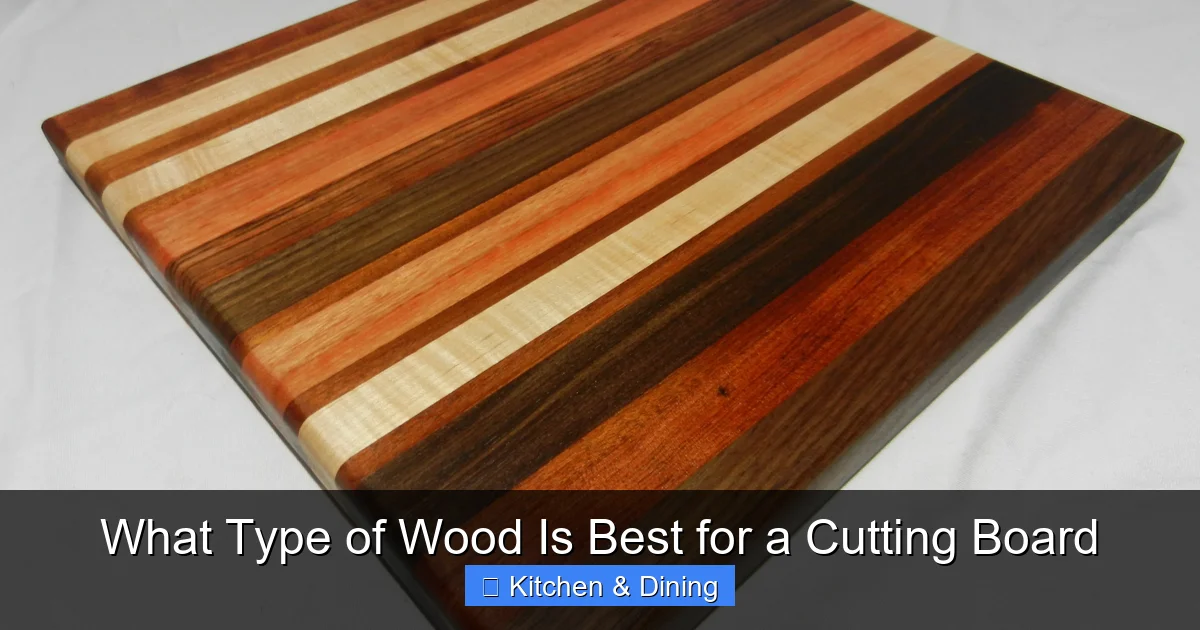
These are the most common type. Strips of wood are glued together along their edges to form a solid surface. Think of the side of the wood grain running parallel to the cutting surface.
- Pros: Generally less expensive, lighter, and easier to maintain than end-grain boards. They are very durable and can last a long time with proper care.
- Cons: They can be slightly harder on knives than end-grain boards, and knife marks will be more visible over time as the grain is exposed.
End Grain Cutting Boards
In an end-grain board, blocks of wood are cut and then glued together so that the ends of the wood grain are facing upwards. This creates a surface that looks like a checkerboard or mosaic.
- Pros: The “self-healing” property is a major advantage. When you cut into an end-grain board, the wood fibers actually separate and then close back up around the knife. This makes them extremely gentle on knife edges and helps prevent deep cuts and grooves. They are also exceptionally durable.
- Cons: They are significantly more expensive to produce and therefore to buy. They are also heavier and require more diligent oiling to prevent warping and cracking, especially in dry environments.
Which is better?
For most home cooks, an edge-grain board made from a good hardwood like maple or walnut will be an excellent choice, offering a great balance of performance, durability, and ease of maintenance. If you’re a serious chef who wants the absolute best for your knives and doesn’t mind the extra upkeep and cost, an end-grain board is a worthwhile investment. If you’re a knife enthusiast, exploring options like the best Japanese knife for cutting meat or the best Japanese knife for cutting vegetables is equally important to complement your cutting board choice.
Woods to Avoid for Cutting Boards
While many woods can be used for furniture or decorative items, not all are suitable for cutting boards.
- Softwoods (Pine, Fir, Spruce): These woods are too soft and will be easily damaged by knives, creating deep gouges that harbor bacteria and dull knives quickly.
- Open-Grained Hardwoods (Red Oak, Ash): The large pores in these woods make them prone to staining, absorbing liquids, and harboring bacteria.
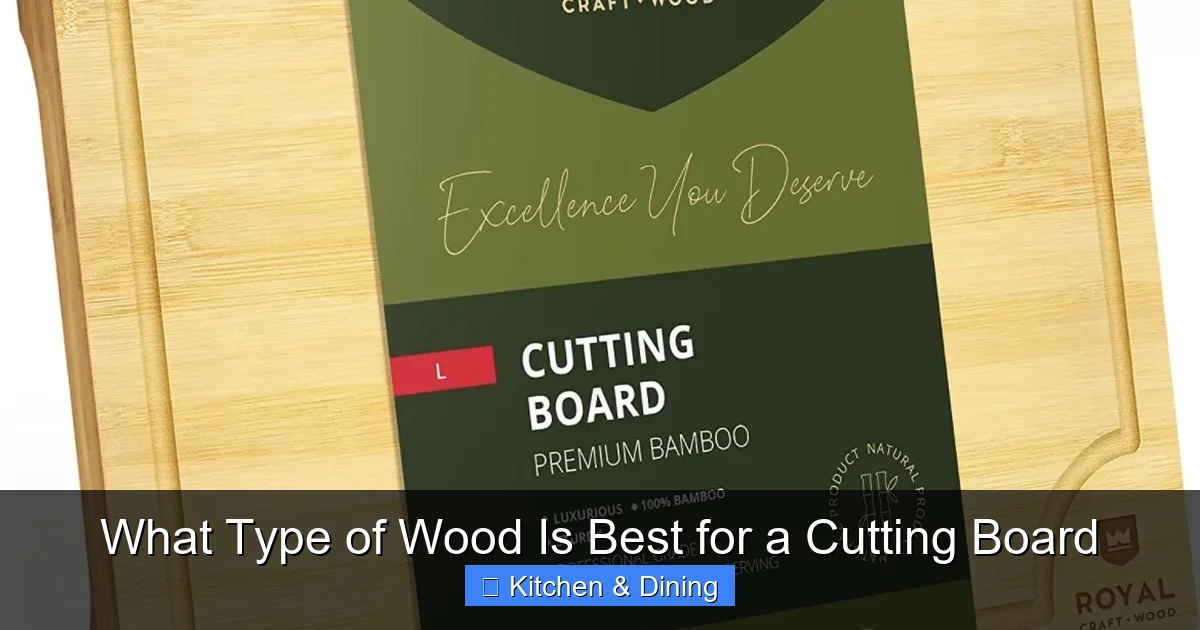
- Bamboo: Although often marketed as a “wood” product for cutting boards, bamboo is technically a grass. Its high silica content can be very abrasive and dull knives quickly. While it’s sustainable and water-resistant, the impact on your blades is a significant drawback.
- Reclaimed Wood (unless properly treated): While repurposing is great, old wood might contain contaminants, old finishes, or nails that can be hazardous or damage your knives.
Caring for Your Wooden Cutting Board
The type of wood is crucial, but proper care will ensure your cutting board lasts a lifetime.
Cleaning Your Cutting Board
The best way to clean your wooden cutting board is by hand. Avoid putting it in the dishwasher!
- Immediate Wipe-Down: After each use, wipe down the board with hot water and a little mild dish soap.
- Scraping: For stubborn bits, use a bench scraper or the back of a knife to scrape them off.
- Sanitizing (Optional): For a deeper clean, you can use a diluted bleach solution (1 tablespoon bleach per quart of water) or a vinegar solution, but always rinse thoroughly afterward. Lemon and salt can also be used as a natural cleaner and deodorizer.
- Drying: Always stand the board upright on its edge to allow both sides to dry completely. Never lay it flat while wet, as this can lead to warping.
Oiling Your Cutting Board
This is the most important step in maintaining a wooden cutting board. Oiling prevents the wood from drying out, cracking, and absorbing moisture.
- Choose the Right Oil: Food-grade mineral oil is the most recommended and widely available option. Other good choices include walnut oil or beeswax/mineral oil blends. Avoid cooking oils like olive or vegetable oil, as they can go rancid.
- How Often: For new boards, oil them daily for the first week, then weekly for the first month. After that, oil your board whenever it starts to look dry or lighter in color, typically once a month or so depending on use and humidity.
- Application: Apply a generous amount of oil to both sides and the edges of the board. Let it soak in for at least 20 minutes, or preferably overnight. Wipe off any excess oil with a clean cloth.
Conditioning
Periodically, you can use a cutting board conditioner (often a blend of mineral oil and beeswax). This provides a protective barrier and helps keep the wood looking its best. For reference, if you are looking for other ways to maintain your kitchen items, learning the best way to clean the inside of a microwave oven can also be very useful.
Troubleshooting Common Cutting Board Issues
Even with the best wood and care, you might encounter minor issues.
My board is warped.
This usually happens due to uneven drying or excessive moisture exposure. Try placing it on a drying rack in a humid area (like the kitchen counter, not in direct sunlight or heat) with weight on it. Consistent oiling and proper drying techniques should prevent this.
My board has deep knife marks.
For minor marks, sanding the board with fine-grit sandpaper (starting with around 120-grit and moving to 220-grit) can help smooth it out. Afterward, re-oil the board thoroughly. For very deep cuts, especially on edge-grain boards, it might be time to consider a replacement or a more professional resurfacing.
My board smells or has stubborn stains.
Try the lemon and salt trick: sprinkle coarse salt over the board, cut a lemon in half, and use the lemon half as a scrubber. The acidity of the lemon and the abrasion of the salt can lift stains and neutralize odors. Rinse and dry thoroughly, then re-oil.
Conclusion: Making Your Choic
Choosing the best wood for your cutting board is an investment in your kitchen. By understanding the properties of different woods – their hardness, grain, and porosity – you can select a board that is not only functional and durable but also gentle on your valuable knives. Hard maple, black walnut, American cherry, and acacia are all excellent contenders, each offering unique benefits. Whether you prioritize longevity, knife care, or aesthetic appeal, there’s a perfect wood out there for you. Remember that proper care, including regular cleaning and diligent oiling, is key to ensuring your chosen cutting board becomes a cherished tool in your kitchen for years to come. Happy chopping!