

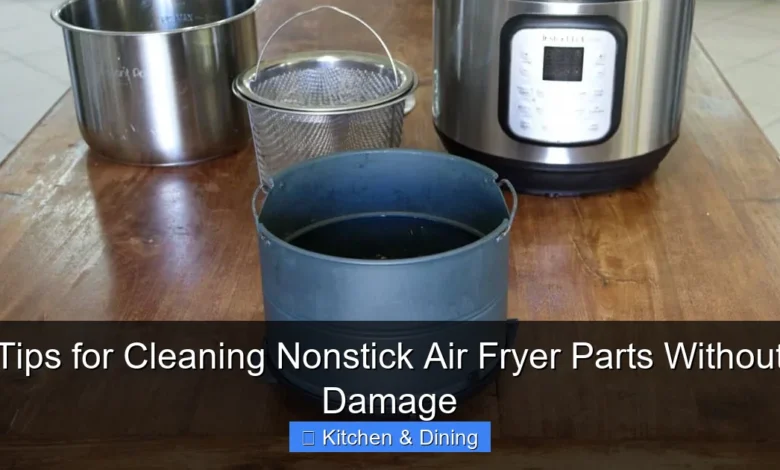
Cleaning your nonstick air fryer parts is crucial for longevity and optimal performance. This guide offers simple, damage-free methods to keep your air fryer basket and accessories sparkling clean. You’ll discover the best practices for removing stuck-on food and maintaining the nonstick coating, ensuring your air fryer remains a star in your kitchen.
Welcome to the ultimate guide on keeping your nonstick air fryer parts sparkling clean without causing any damage! You love your air fryer, right? It makes crispy fries, juicy chicken, and so much more with minimal oil. But with all that deliciousness comes the inevitable mess. The good news is that with a few simple tips and tricks, you can keep your air fryer’s nonstick surfaces in pristine condition for years to come.
Many people worry about scratching or damaging the delicate nonstick coating on their air fryer baskets and trays. It’s a valid concern, as a damaged coating can lead to food sticking, uneven cooking, and a less pleasant user experience. This guide is here to demystify the cleaning process. We’ll walk you through everything you need to know, from the best cleaning tools to effective techniques for tackling even the toughest food residue.
By the end of this guide, you’ll feel confident in your ability to clean your nonstick air fryer parts safely and effectively, ensuring it continues to be a reliable and cherished appliance in your kitchen. Let’s get started on preserving your air fryer’s performance and appearance!
Key Takeaways
- Gentle Cleaning is Key: Always use soft sponges or cloths and avoid abrasive scrubbers or harsh chemicals that can scratch or degrade the nonstick coating.
- Hand Washing Preferred: While some parts might be dishwasher safe, hand washing is generally the gentlest and most effective way to clean nonstick air fryer components.
- Soaking is Your Friend: For stubborn, stuck-on food, a warm, soapy soak is often all that’s needed to loosen debris without forceful scrubbing.
- Avoid Metal Utensils: Never use metal spatulas, forks, or knives inside your air fryer basket, as they can easily damage the nonstick surface.
- Proper Drying Prevents Residue: Ensure all parts are thoroughly dried after washing to prevent water spots and mineral buildup, which can affect performance.
- Regular Maintenance Extends Lifespan: Consistent, gentle cleaning after each use will prevent tough buildup and keep your air fryer in top condition for longer.
Understanding Your Nonstick Air Fryer Parts
Before we dive into cleaning methods, it’s important to understand what you’re dealing with. Most air fryer baskets, trays, and racks are coated with a PTFE-based nonstick material, often referred to by brand names like Teflon. This coating is designed to allow food to release easily and to make cleanup a breeze. However, it’s also susceptible to damage from harsh cleaning tools and abrasive materials. Understanding this delicate nature is the first step to proper care.
The Golden Rule: Be Gentle!
This is the most crucial tip for cleaning any nonstick surface, and your air fryer is no exception. Think of the nonstick coating as a protective shield. You want to clean it, not strip it away.
Step-by-Step Guide to Cleaning Your Nonstick Air Fryer Parts
Let’s break down the cleaning process into manageable steps. Remember, consistency is key to maintaining the nonstick coating.
Step 1: Let It Cool Down
This might seem obvious, but it’s vital for safety and for protecting the nonstick surface. Never attempt to clean a hot air fryer basket or accessories. The rapid temperature change from hot to cold water can cause the nonstick coating to crack or warp. Wait until the air fryer and all its removable parts are completely cool to the touch.
Step 2: Remove Loose Debris
Once cooled, shake out any large, loose food particles into your trash bin. Sometimes, a quick tap of the basket upside down is all it takes to dislodge crumbs. This prevents them from becoming stubborn, baked-on messes.
Step 3: The Gentle Wash (Hand Washing Recommended)
While many air fryer parts are advertised as dishwasher safe, hand washing is by far the gentlest and most effective method for preserving the nonstick coating. The high heat and harsh detergents in dishwashers can degrade the coating over time.
Gather Your Supplies
- Soft Sponge or Cloth: Opt for non-abrasive materials like microfiber cloths, soft sponges (the kind without a scrubby side), or silicone scrubbers.
- Mild Dish Soap: A standard, gentle dish soap is perfect. Avoid soaps with added degreasers or harsh chemicals.
- Warm Water: Not hot, not cold. Warm water helps loosen food without shocking the nonstick surface.
The Washing Process
- Fill your sink or a basin with warm water and a small amount of mild dish soap.
- Submerge the air fryer basket, tray, or rack. Let it soak for a few minutes to help loosen any stuck-on bits.
- Using your soft sponge or cloth, gently wipe down the interior and exterior surfaces. Use circular motions or back-and-forth strokes.
- Pay attention to corners and crevices, but avoid excessive force.
- Rinse thoroughly with clean warm water to remove all soap residue.
Step 4: Tackling Stubborn, Stuck-On Food
Don’t panic if you have a few bits of food that just won’t budge. Forceful scrubbing is the enemy of nonstick surfaces. Instead, try these methods:
Method 1: The Warm Soak and Gentle Scrape
- If the initial soak didn’t do the trick, fill the basket or tray with warm water and a little dish soap again.
- Let it soak for 15-30 minutes, or even longer if needed.
- After soaking, try to gently scrape away the softened food with your soft sponge or a silicone spatula. Never use metal.
Method 2: Baking Soda Paste for Tougher Stains
Baking soda is a mild abrasive that can be effective without being too harsh if used correctly.
- Mix a few tablespoons of baking soda with a small amount of water to create a thick paste.
- Apply the paste to the stubborn spots.
- Let it sit for about 15-30 minutes.
- Gently scrub the area with your soft sponge or cloth.
- Rinse thoroughly.
Important Note on Baking Soda: While baking soda is generally safe, always test it on an inconspicuous area first if you’re unsure. And again, use gentle pressure.
Step 5: Cleaning the Exterior and Interior Walls
The exterior of your air fryer can get splattered with oil and food. The interior walls can also accumulate grease, especially around the heating element. Use the same gentle approach for these areas.
For the Exterior:
- Wipe down with a damp, soft cloth.
- For greasy spots, use a little mild dish soap on the damp cloth.
- Avoid spraying cleaning solutions directly onto the air fryer, as moisture can get into vents and electrical components.
- Dry thoroughly with a soft, dry cloth.
For the Interior Walls:
- Ensure the air fryer is unplugged and completely cool.
- Use a damp, soft cloth to wipe down the interior walls.
- For any food debris stuck to the walls, you can use a soft sponge. Be careful around the heating element.
- Dry the interior thoroughly before storing or using the appliance again.
Step 6: Drying Your Air Fryer Parts
Proper drying is essential to prevent water spots, mineral buildup, and potential rust on any metal components (though most air fryer parts are coated). It also prevents that musty smell that can develop from dampness.
- Shake off excess water from the basket and accessories.
- Pat them dry with a clean, soft towel.
- Allow the parts to air dry completely before reassembling or storing them. You can place them on a drying rack.
What to AVOID When Cleaning Nonstick Air Fryer Parts
Knowing what *not* to do is just as important as knowing what to do. These are common mistakes that can ruin your air fryer’s nonstick coating.
- Abrasive Scrubbers: Steel wool, scouring pads, and rough-sided sponges will scratch and remove the nonstick coating.
- Harsh Chemicals: Oven cleaners, bleach, ammonia, and other strong detergents can damage the coating and leave behind harmful residues.
- Metal Utensils: Never use knives, forks, metal spatulas, or whisks inside the air fryer basket. These will scratch the surface.
- Dishwasher (with caution): As mentioned, while some are labeled dishwasher safe, frequent use of a dishwasher can shorten the lifespan of the nonstick coating. If you must use it, place parts on the top rack and use a gentle cycle with mild detergent. However, hand washing is always preferred for longevity.
- Extreme Temperature Changes: Never put a hot basket into cold water or vice versa. Let it cool down naturally.
- Scraping with Hard Objects: Don’t use fingernails or hard plastic scrapers to remove stuck-on food if gentle methods fail.
Troubleshooting Common Air Fryer Cleaning Issues
Even with the best intentions, you might encounter a few cleaning challenges. Here’s how to handle them:
Issue: Persistent Odors
Sometimes, grease and food particles can leave lingering smells, especially if not cleaned thoroughly after each use.
- Solution: A deeper clean might be needed. Try the baking soda paste method on the basket and interior walls. You can also try running the air fryer empty with a slice of lemon or a small amount of vinegar in water for a few minutes (check your manual for specific recommendations on this). Ensure thorough drying afterward. If your air fryer is making unpleasant smells, you might be interested in learning about the best air purifiers for kitchen odors to help manage ambient smells.
Issue: Discoloration of the Nonstick Coating
Over time, the nonstick coating might appear discolored, especially in high-heat areas. This is often normal wear and tear and doesn’t necessarily mean the coating is failing.
- Solution: As long as food isn’t sticking and the coating isn’t peeling or flaking off, discoloration is usually cosmetic. Continue with gentle cleaning methods. If it is peeling, it might be time to consider a replacement. For those looking for versatile cooking options, exploring a best multi-function air fryer could be a good next step.
Issue: Food Constantly Sticking
If food is consistently sticking, it’s a strong indicator that the nonstick coating has been compromised.
- Solution: Double-check that you’re not using any of the forbidden cleaning tools or methods. If the damage is significant (peeling, flaking, or deep scratches), the nonstick properties are likely lost. In this case, it might be time to replace the basket or the entire air fryer. Looking into a review of a specific model like the Instant Pot Vortex Plus 6Qt Clearcook Air Fryer Review 2026 might help you understand features to look for in a new appliance.
Maintaining Your Air Fryer Between Cleans
Preventative care can significantly reduce the need for deep cleaning and prolong the life of your nonstick surfaces.
- Clean After Every Use: This is the most effective way to prevent buildup. A quick wash with warm, soapy water while the basket is still a little warm (but not hot) can make a huge difference.
- Use Parchment Liners or Foil (with caution): For particularly messy foods, consider using air fryer parchment liners or aluminum foil. Ensure they don’t block the airflow vents. Check your air fryer’s manual for guidance on using these accessories.
- Avoid Overheating Empty: Running your air fryer empty at high temperatures for extended periods can degrade the nonstick coating faster.
- Proper Storage: Ensure the basket and tray are completely dry before storing them. Stack them carefully to avoid scratching.
Conclusion
Keeping your nonstick air fryer parts clean and undamaged is straightforward when you follow these gentle yet effective tips. By prioritizing soft cleaning tools, avoiding harsh chemicals and abrasive materials, and adopting a routine of cleaning after every use, you’ll ensure your air fryer continues to deliver perfectly cooked, delicious meals for years to come. Remember, a little care goes a long way in preserving your investment and enjoying all the benefits your air fryer has to offer.