

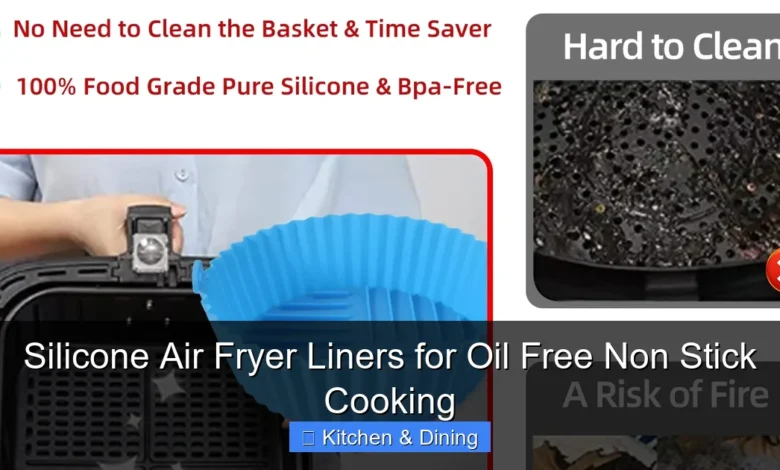
Unlock the full potential of your air fryer with silicone liners! This guide explains how these versatile accessories make oil-free, non-stick cooking a breeze. Learn how they enhance your air fryer’s performance, simplify cleanup, and open up new culinary possibilities for healthier, delicious meals.
Silicone Air Fryer Liners for Oil Free Non Stick Cooking
Are you tired of scrubbing stubborn food residue from your air fryer basket? Do you want to enjoy crispy, delicious food without the added fat and oil? If so, it’s time to discover the magic of silicone air fryer liners! These simple yet revolutionary kitchen tools are set to transform your air frying experience, making it easier, healthier, and a whole lot cleaner.
In this comprehensive guide, we’ll walk you through everything you need to know about silicone air fryer liners. From understanding what they are and how they work to how to use them effectively, care for them, and even troubleshoot common issues, you’ll become a silicone liner pro in no time. Get ready to elevate your air frying game and enjoy oil-free, non-stick cooking like never before.
Key Takeaways
- Effortless Oil-Free Cooking: Silicone liners create a non-stick surface, eliminating the need for excess oil and promoting healthier cooking.
- Simplified Cleanup: These liners catch grease and food debris, making air fryer basket cleaning significantly faster and easier.
- Enhanced Food Presentation: They help food cook more evenly and prevent sticking, leading to better-looking and more appetizing results.
- Versatile Kitchen Tool: Beyond the air fryer, these liners can be used in ovens, microwaves, and for baking to prevent sticking.
- Durable and Reusable: Made from food-grade silicone, they are heat-resistant, reusable, and a sustainable alternative to disposable parchment paper.
- Variety of Shapes and Sizes: Silicone liners come in various forms, including round, square, and rectangular, to fit different air fryer models.
What Are Silicone Air Fryer Liners?
Silicone air fryer liners are essentially reusable inserts designed to fit inside your air fryer basket. They are typically made from food-grade silicone, a flexible, heat-resistant, and non-toxic material. Think of them as a flexible, custom-fit baking mat or liner specifically engineered for your air fryer.
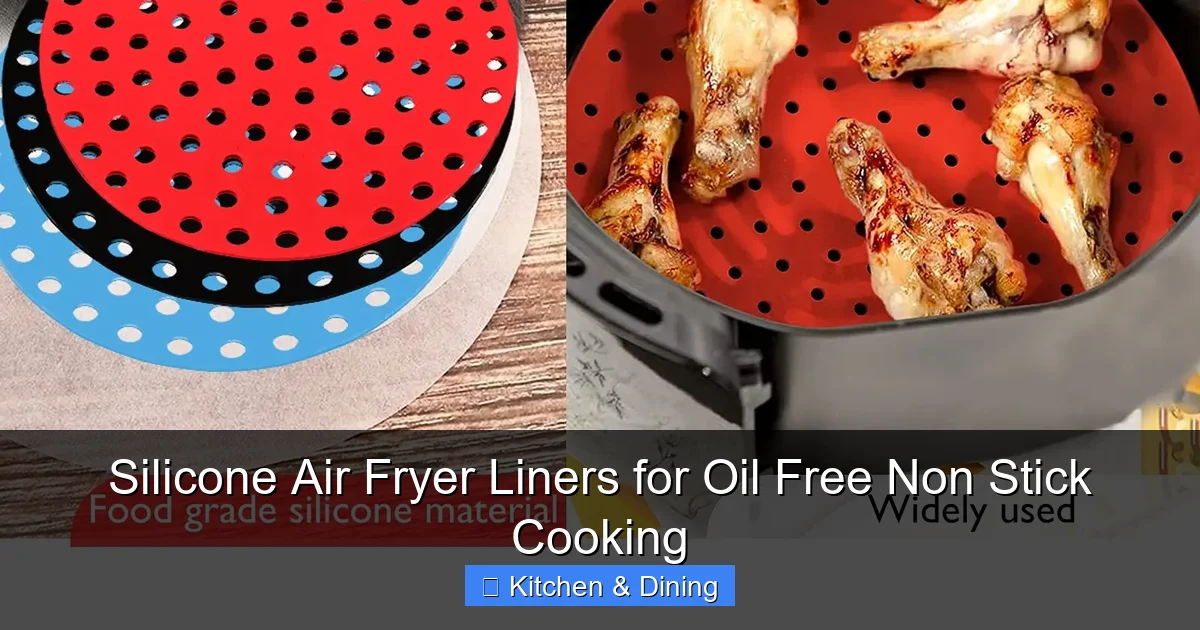
These liners come in a variety of shapes and sizes to match popular air fryer models, often including round, square, and rectangular options. Many feature perforated designs to allow for proper air circulation, which is crucial for achieving that signature air-fried crispiness. Others might have raised edges to catch excess oil or a raised pattern to elevate food for better air flow.
The primary function of a silicone air fryer liner is to create a barrier between your food and the air fryer basket. This barrier prevents food from sticking, minimizes the need for added oils, and, most importantly, makes cleanup a dream.
The Benefits of Using Silicone Air Fryer Liners
Visual guide about Silicone Air Fryer Liners for Oil Free Non Stick Cooking
Image source: img.bestdeals.co.nz
The popularity of silicone air fryer liners isn’t just a trend; it’s backed by a host of practical benefits that enhance your cooking experience. Let’s dive into why these liners are a must-have kitchen accessory:
1. Promotes Oil-Free Cooking
One of the biggest advantages of using silicone liners is their inherent non-stick quality. This means you can achieve perfectly cooked, crispy food without coating your basket in oil or butter. While some recipes might still benefit from a light mist of oil for browning or flavor, the liner dramatically reduces or even eliminates the need for it. This is fantastic for anyone looking to cut down on calories and fat in their diet.
2. Simplifies Cleanup Dramatically
This is perhaps the most celebrated benefit. Instead of spending precious time scrubbing away at a greasy, food-splattered air fryer basket, you simply remove the liner and rinse or toss it into the dishwasher. Food particles and grease are caught by the liner, keeping your air fryer basket pristine. This alone makes the investment worthwhile for many busy home cooks.
3. Protects Your Air Fryer Basket
Regular use, especially with sticky or acidic foods, can wear down the non-stick coating on your air fryer basket over time. Silicone liners act as a protective layer, shielding the original coating from direct contact with food and potential scratches, thereby extending the lifespan of your appliance.
4. Enhances Even Cooking
While some liners are solid, many feature perforations or raised patterns. These designs help to ensure that hot air circulates evenly around your food, preventing hot spots and promoting consistent cooking. This can lead to more evenly browned and crispier results.
5. Versatile Kitchen Use
Don’t limit yourself to just the air fryer! Many silicone liners are oven-safe and can be used as baking mats for cookies, pastries, or roasted vegetables. They can also be useful in microwaves or as liners for cake pans or muffin tins to prevent sticking, similar to our tips for using non-stick bundt cake pans or other non-stick baking trays.
6. Eco-Friendly and Economical
Silicone liners are reusable, making them a sustainable and eco-friendly alternative to disposable parchment paper or aluminum foil. While the initial purchase might seem like an expense, their durability means they can be used hundreds of times, saving you money in the long run.
How to Use Silicone Air Fryer Liners: A Step-by-Step Guide
Visual guide about Silicone Air Fryer Liners for Oil Free Non Stick Cooking
Image source: i5.walmartimages.com
Using a silicone air fryer liner is incredibly straightforward. Follow these simple steps to get started:
Step 1: Choose the Right Liner
Visual guide about Silicone Air Fryer Liners for Oil Free Non Stick Cooking
Image source: i5.walmartimages.com
Before you can use a liner, you need to select one that fits your air fryer.
H3: Measure Your Air Fryer Basket
Air fryers come in various sizes and shapes. It’s crucial to measure the interior dimensions of your air fryer basket (length, width, and depth if it’s a drawer-style) or the diameter of your basket (if it’s a round or oven-style) to ensure a proper fit.
H3: Consider Liner Type
There are several types of silicone liners:
- Standard Round/Square Liners: These are flat discs or squares with potential holes for air circulation.
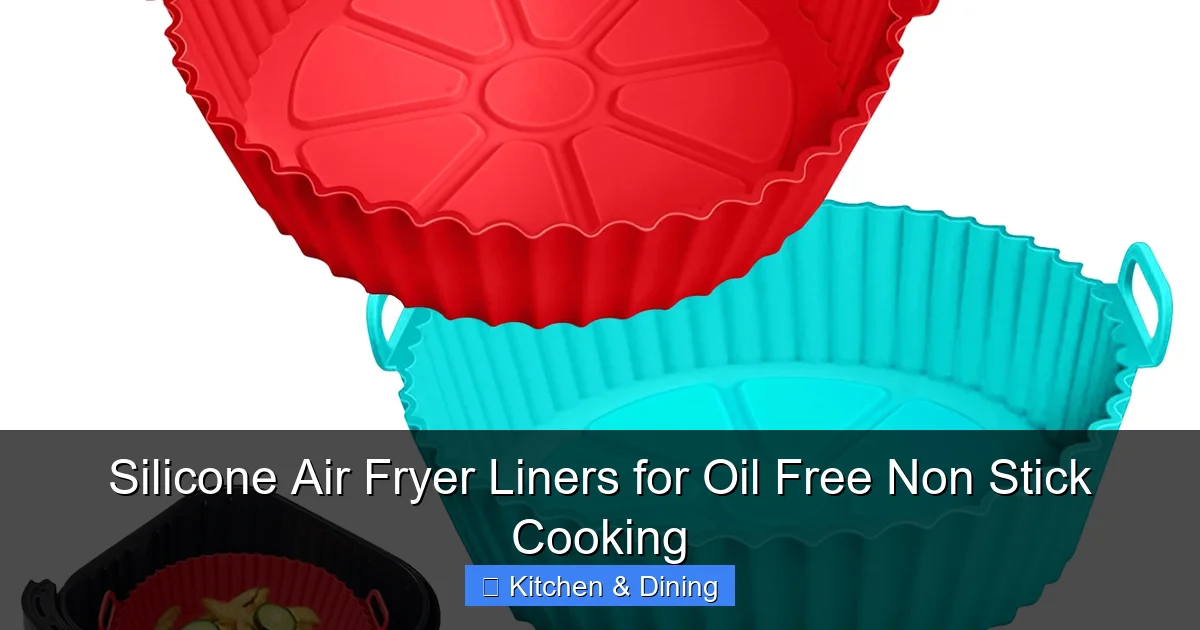
- Bowl-Shaped Liners: Designed to fit snugly into the basket and often have raised sides to contain food and catch drips.
- Liners with Raised Edges: These have a slightly raised rim to help contain liquids and oils, similar to how a well-designed baking tray would.
- Liners with Perforations or Patterns: These are designed to optimize air flow for maximum crispiness.
H3: Check Material Quality
Ensure the liner is made from 100% food-grade silicone. This guarantees it’s safe for food contact and can withstand high temperatures without melting or releasing harmful chemicals.
Step 2: Place the Liner in the Air Fryer Basket
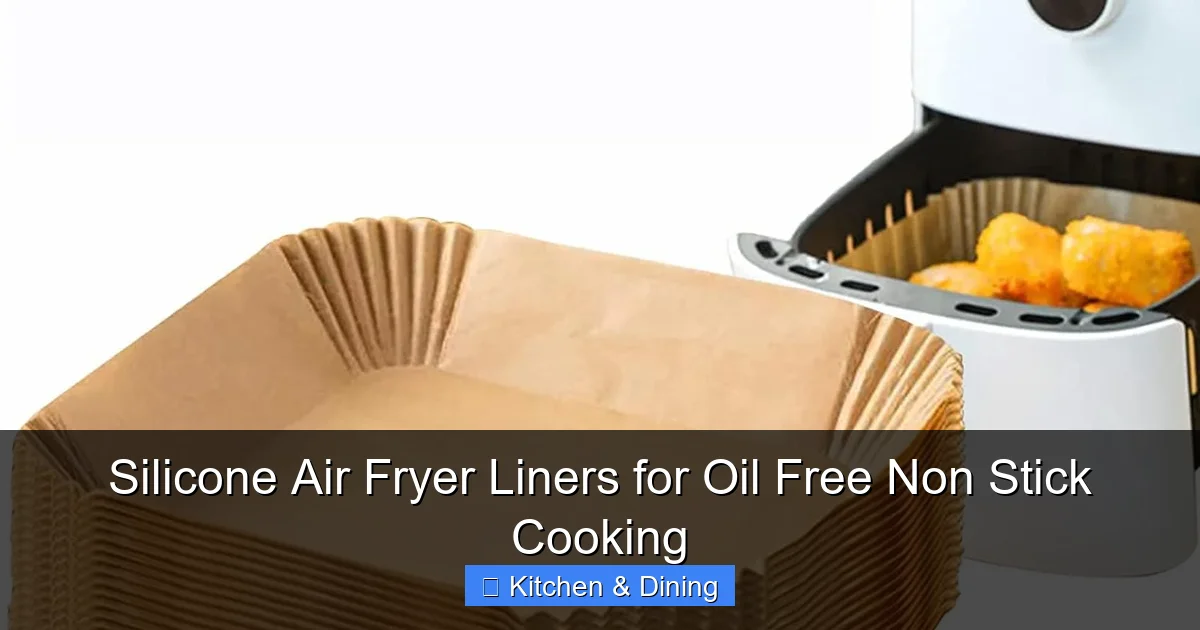
This is the easiest part! Simply place the silicone liner into your clean, empty air fryer basket. Ensure it sits flat and fits snugly without obstructing the basket’s movement or the air fryer’s door. If you have a liner with raised edges, make sure the edges are facing upwards.
Step 3: Add Your Food
Now you can add your ingredients to the air fryer basket, placing them directly onto the silicone liner. Arrange your food in a single layer as much as possible to ensure even cooking, just as you would when cooking without a liner.
Step 4: Air Fry as Usual
Set your air fryer to the desired temperature and cooking time according to your recipe. The silicone liner will do its job, preventing sticking and allowing for excellent air circulation. You might notice that certain foods, especially those that release a lot of fat, cook even better with a liner as the fat is contained.
Step 5: Remove and Clean
Once your food is cooked, carefully remove the air fryer basket. The silicone liner can be lifted out with tongs or by carefully tilting the basket. Discard any excess oil or debris collected in the liner.
H3: Cleaning Methods
Cleaning is a breeze:
- Hand Washing: Most liners can be easily washed by hand with warm, soapy water. Use a soft sponge to avoid scratching.
- Dishwasher Safe: Many silicone liners are dishwasher safe. Check the manufacturer’s instructions to confirm. Place them on the top rack for best results.
Practical Tips for Using Silicone Air Fryer Liners
To get the most out of your silicone air fryer liners, consider these practical tips:
- Preheat Your Air Fryer: Always preheat your air fryer before adding food, even with a liner. This helps ensure even cooking.
- Don’t Overcrowd the Basket: Just like cooking without a liner, overcrowding will lead to uneven cooking and steaming rather than crisping. Arrange food in a single layer.
- Consider Liner Perforations: If you’re cooking very moist foods, a liner with perforations or a patterned surface can help prevent liquid from pooling and steaming the food.
- Use for Baking and Roasting: Don’t hesitate to use your silicone liner for baking small batches of cookies, roasting vegetables, or even reheating pizza. It’s a great way to keep baking sheets clean.
- Flip Food for Even Browning: While liners help with circulation, flipping your food halfway through cooking is still a good practice for achieving perfectly even browning and crispiness on all sides.
- Secure Loose Items: If you’re cooking very lightweight items, they might shift around. Ensure they are positioned well, or consider using a slightly heavier liner if available.
- Be Mindful of Air Flow: While most liners are designed for air circulation, extremely thick or solid liners might slightly impede air flow. Perforated liners are generally best for optimal crisping.
- Keep a Spare: Having a second liner on hand is incredibly useful. While one is in the dishwasher, you can use the other, ensuring you’re never without your trusty air fryer accessory.
When NOT to Use a Silicone Air Fryer Liner
While silicone liners are fantastic, there are a few scenarios where you might want to skip them:
- Recipes Requiring Direct Basket Contact: Some specific air fryer recipes might be designed to leverage the direct contact of certain foods with the basket (e.g., achieving a specific sear or crisp on one side).
- Very Delicate Foods: For extremely delicate items that could be easily damaged or stick to even a non-stick surface, you might opt to use parchment paper or forgo a liner altogether. However, this is rare.
- When Airflow is Critically Limited: If your air fryer basket has very tight slots or minimal space for air to circulate, and your liner completely covers these, it might affect cooking performance. This is usually not an issue with well-designed liners.
- If You’re Cooking Bread Dough (Directly): While you can bake bread *in* a pan placed on a liner, placing raw bread dough directly onto a liner might not yield the best crust due to the insulation.
It’s important to remember that the **best multi-function air fryer** might have specific recommendations from the manufacturer regarding liners. Always consult your air fryer’s manual if you’re unsure.
Troubleshooting Common Issues
Even with these amazing tools, you might encounter a few hiccups. Here’s how to address them:
Issue: Food is Not Crispy
Possible Cause: Insufficient air circulation.
Solution: Ensure your liner has perforations or a raised pattern that allows air to flow underneath. Also, avoid overcrowding the basket. Try cooking in smaller batches. If you are using a very solid liner, consider switching to one with holes.
Issue: Liner Smells After Cooking
Possible Cause: Food residue or oils baked onto the liner.
Solution: Ensure thorough cleaning after each use. For stubborn odors, you can try soaking the liner in a mixture of baking soda and water, or running it through a hot dishwasher cycle.
Issue: Liner is Sticking to Food
Possible Cause: The food item is particularly sticky, or the liner has lost some of its non-stick properties over time.
Solution: For very sticky foods, a very light spritz of oil on the liner before adding the food can help. Ensure your liner is in good condition; if it’s old and worn, it might be time for a replacement.
Issue: Liner is Difficult to Clean
Possible Cause: Burnt-on food particles.
Solution: Avoid using abrasive scrubbers. Soak the liner in hot, soapy water for a while before attempting to clean it. A paste of baking soda and water can also help lift stubborn grime. If it’s consistently hard to clean, consider a new liner.
Conclusion
Silicone air fryer liners are a game-changer for anyone who loves their air fryer. They champion oil-free, non-stick cooking, simplify the dreaded cleanup process, and protect your appliance. By understanding how to choose, use, and care for these versatile liners, you can elevate your home cooking, make healthier choices, and spend less time scrubbing and more time enjoying delicious, air-fried meals.
Whether you’re a seasoned air fryer chef or just getting started, incorporating silicone liners into your kitchen routine is a simple yet impactful upgrade. So, go ahead, grab a liner that fits your air fryer, and get ready for a cleaner, healthier, and more enjoyable air frying experience!