

Transform your cooking with multi-layer racks! These versatile tools allow you to prepare more food at once, significantly reducing the need for oil and promoting healthier eating habits. Discover how to use and care for them to unlock their full potential for delicious, efficient, and oil-conscious meals.
Multi Layer Racks to Cook More Food with Less Oil
Are you tired of cooking in batches? Do you wish you could prepare a larger, healthier meal for your family or guests without using a ton of oil? If so, multi-layer racks are your new kitchen best friend! These ingenious accessories are designed to revolutionize how you cook, allowing you to prepare more food at once while significantly cutting down on the need for unhealthy oils.
In this comprehensive guide, we’ll walk you through everything you need to know about multi-layer racks. You’ll learn how they work, how to choose the right ones for your cooking needs, how to use them effectively, and how to keep them in top condition. Get ready to unlock a world of healthier, more efficient, and more delicious cooking!
Key Takeaways
- Maximize Cooking Capacity: Multi-layer racks dramatically increase the surface area for cooking, letting you prepare larger batches of food simultaneously.
- Healthier Cooking: By allowing better air circulation and steam distribution, these racks minimize the need for excess oil, resulting in lighter, healthier meals.
- Versatility in Cooking Methods: They are perfect for various cooking appliances like air fryers, ovens, and steamers, adapting to different culinary needs.
- Even Cooking and Crisping: The layered design promotes uniform heat exposure, ensuring food cooks evenly and achieves a desirable crispiness without over-oiling.
- Easy to Use and Clean: Most multi-layer racks are designed for simple placement and are dishwasher-safe or easy to hand-wash, simplifying your kitchen routine.
- Space Efficiency: They help you utilize vertical space within your cooking appliance, especially beneficial for smaller kitchens or when cooking for a crowd.
Understanding How Multi-Layer Racks Work
At their core, multi-layer racks are simple yet brilliant. They are designed to elevate your food within your cooking appliance, creating additional levels or shelves. This stacking capability dramatically increases the usable cooking surface area.
Key principles behind their effectiveness include:
- Vertical Space Utilization: Instead of just one layer of food at the bottom of your appliance, you can now have two, three, or even more. This means more food cooks simultaneously.
- Enhanced Air Circulation: The open design of most racks allows hot air to circulate freely around all the food items. This is crucial for achieving even cooking and crispiness, especially in appliances like air fryers.
- Steam Distribution: In steaming applications, the layers ensure that steam can reach all levels of food, cooking it thoroughly and evenly without becoming soggy.
- Reduced Oil Dependence: Because the food is elevated and air can circulate freely, it cooks more efficiently. This means you often don’t need as much oil to prevent sticking or to achieve a desirable texture. The cooking process itself, using hot air or steam, does most of the work.
Choosing the Right Multi-Layer Rack
With various types and materials available, selecting the ideal multi-layer rack depends on your specific cooking appliance and preferences.
Consider Your Appliance
The most important factor is compatibility. Multi-layer racks are commonly used with:
- Air Fryers: Many air fryers come with or have accessories for stacking racks. These are designed to fit snugly within the air fryer basket or chamber, maximizing the cooking surface.
- Ovens: Standard oven racks can be supplemented with additional wire racks or specialized multi-tier racks for roasting or baking.
- Steamers: Stackable steamer baskets are a classic example of multi-layer racks designed specifically for steaming.
- Pressure Cookers/Instant Pots: Trivets and steamer baskets that can be stacked are excellent for cooking multiple components at once.
Material Matters
The material of your multi-layer rack influences durability, heat distribution, and ease of cleaning.
- Stainless Steel: This is a popular choice due to its durability, resistance to rust and corrosion, and ability to withstand high temperatures. It’s easy to clean and generally safe for food.
- Silicone: Often used for steamer baskets or liners, silicone is flexible, non-stick, and heat-resistant. It’s also very easy to clean.
- Ceramic: Less common for stacking racks, but can be found in some specialty ovenware. It offers excellent heat retention.
Size and Shape
Ensure the rack will fit comfortably within your appliance without obstructing ventilation or the door. For air fryers, check the dimensions of your basket. For ovens, consider the size of your oven and how many racks you can safely fit.
How to Use Multi-Layer Racks for Healthier Cooking
The beauty of multi-layer racks lies in their ability to promote healthier cooking by minimizing oil usage. Here’s how to make the most of them.
Prepping Your Food
The way you prepare your food is key to reducing oil.
- Marinades and Seasonings: Instead of relying on oil for flavor and moisture, focus on marinades, herbs, spices, and healthy sauces.
- Natural Fats: For foods like chicken or certain vegetables that have natural fats, let those render and cook the food.
- Parchment Paper or Silicone Liners: For delicate items or those prone to sticking, using parchment paper or silicone liners on your racks can prevent adhesion without adding oil. Ensure they are rated for the temperature you’re using.
Layering Strategically
How you arrange food on different layers can impact cooking results.
- Consider Cooking Times: Place foods that require longer cooking times on lower racks or closer to the heat source (depending on your appliance). Shorter-cooking items can go on upper racks.
- Avoid Overcrowding: Even with multiple layers, ensure there’s enough space between food items for air or steam to circulate effectively. This is vital for achieving crispiness.
- Dripping: If cooking fatty meats, place a drip tray or a layer of foil (with holes poked) on the lowest rack or at the bottom of your appliance to catch grease. This prevents flare-ups and keeps the bottom layer from becoming greasy.
Cooking Techniques
Multi-layer racks enhance various cooking methods.
Air Frying
Air fryers excel at creating crispy textures with minimal oil. Using a multi-layer rack in your air fryer is a game-changer.
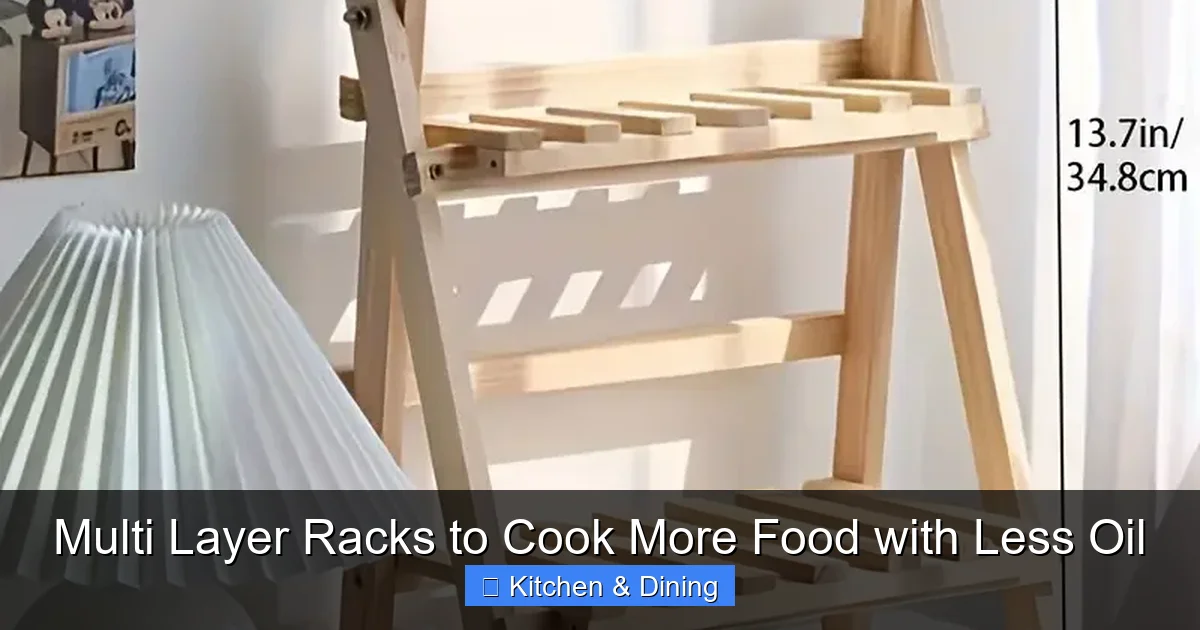
Visual guide about Multi Layer Racks to Cook More Food with Less Oil
Image source: img.kwcdn.com
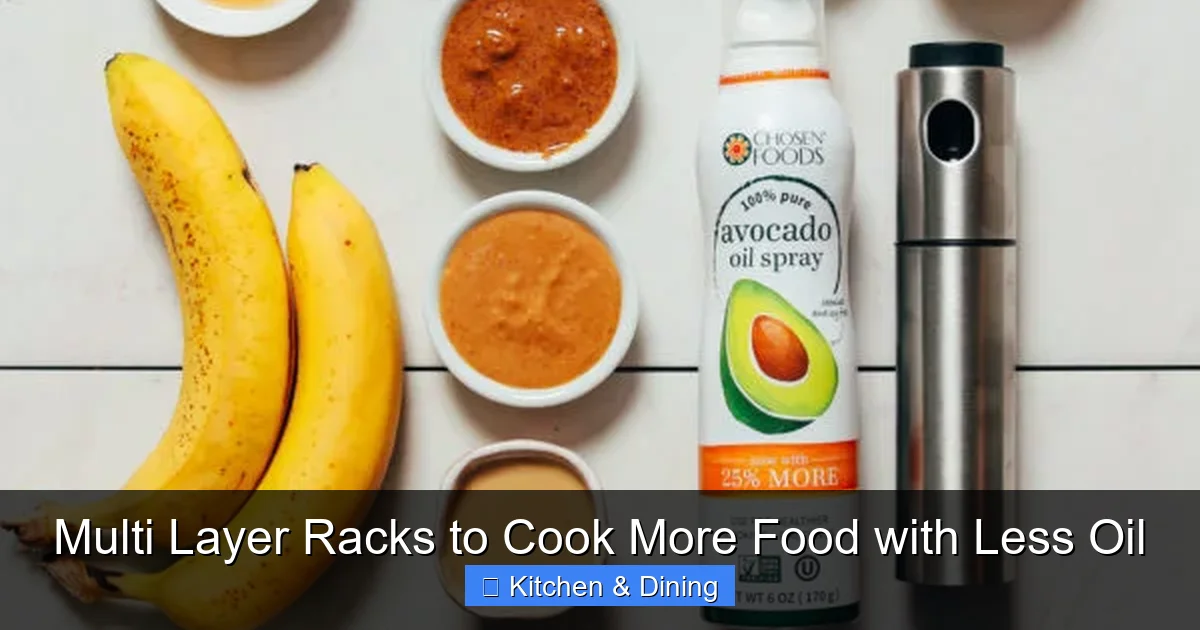
Visual guide about Multi Layer Racks to Cook More Food with Less Oil
Image source: minimalistbaker.com
- Vegetables: Toss vegetables like broccoli, Brussels sprouts, or sweet potato fries with minimal oil (a light spray is often enough) and spread them in a single layer on each rack. This allows them to roast and crisp up beautifully.
- Proteins: Chicken wings, drumsticks, or fish fillets can be placed on separate racks. The circulating hot air will cook them evenly, making them crispy without deep frying.
- Snacks: From homemade potato chips to spring rolls, air frying on multiple levels means you can make larger batches of your favorite snacks.
For air frying, ensure your racks are designed for good airflow. Some air fryer models come with stackable racks, or you can purchase universal ones that fit inside.
Baking and Roasting in the Oven
Oven multi-layer racks (like additional wire racks) or tiered baking pans allow you to bake or roast more at once.
- Cookies and Pastries: Bake multiple trays of cookies simultaneously. Rotate the trays halfway through baking if your oven has hot spots, or swap their positions (top to bottom, front to back).
- Roasting Vegetables: Spread different types of vegetables on separate racks. This is particularly useful for meal prep, allowing you to cook a variety of sides at once.
- Casseroles and Roasts: If your oven is large enough, you can cook a large roast on one rack and a side dish like a casserole on another.
When baking delicate items like cakes or bread, ensure you are using the best way to grease a cake pan if required, though multi-layer racks themselves are about efficiency, not replacing proper pan preparation. If you’re looking for specialized baking pans, consider exploring options like the best angel food cake pan or the best pan for angel food cake, although these are typically single-layer items.
Steaming
Steaming is inherently a healthy cooking method that uses water vapor instead of oil. Multi-layer steamer baskets are perfect for this.
- Vegetables and Fish: You can steam vegetables on one layer and delicate fish or dumplings on another. The steam will cook everything thoroughly.
- Dumplings and Buns: Steaming is ideal for these items, and you can cook a large batch at once using stacked steamer baskets.
- Rice and Grains: While typically cooked at the bottom, you can use upper layers for steaming vegetables or proteins over a pot of cooking rice.
Ensure that the steamer baskets are designed so that water doesn’t drip from the upper layers onto the food below. This is usually achieved through well-designed lids and basket shapes.
Pressure Cooking and Instant Pot Meals
Multi-level cooking in pressure cookers, like an Instant Pot, is fantastic for “set it and forget it” meals.
- Grain at the Bottom, Protein/Veggies on Top: Cook rice or quinoa at the bottom, and place marinated chicken or vegetables in a steamer basket or on a trivet on top. The steam generated during pressure cooking will cook both components simultaneously.
- Multiple Sides: You can even cook different vegetables or a starch on separate tiers using stackable steamer inserts.
When using multi-layer racks in a pressure cooker, always ensure there is enough liquid at the bottom for the appliance to come to pressure. Never overfill the pot, as this can impede the pressure-building process.
Tips for Maximizing Results and Minimizing Oil
Here are some practical tips to get the best out of your multi-layer racks and keep oil use to a minimum:
- Invest in a Good Non-Stick Spray: A high-quality oil mister or spray bottle can evenly coat food with a very fine layer of oil, much less than pouring or brushing.
- Understand Your Appliance’s Heat Distribution: If your appliance tends to cook hotter at the bottom or top, adjust your rack placement accordingly. Rotating your racks during cooking can ensure more even results.
- Don’t Forget the Lid/Door: Ensure the lid of your air fryer or the door of your oven is closed properly during cooking to trap heat and steam effectively.
- Preheat Your Appliance: As with most cooking methods, preheating your air fryer or oven ensures food starts cooking immediately, leading to better texture and reducing the chance of sticking.
- Cook in a Single Layer (Where Possible): While racks allow for multiple layers, the best crispiness and browning usually come from food items that are not touching each other on each individual rack.
Cleaning and Maintenance of Multi-Layer Racks
Keeping your multi-layer racks clean is essential for hygiene and longevity.
Daily Cleaning
Most multi-layer racks, especially those made of stainless steel or silicone, are easy to clean after use.
- Hand Washing: Use warm, soapy water and a non-abrasive sponge or brush. For stubborn food bits, soak the rack in hot water for a few minutes.
- Dishwasher Safe: Many racks are dishwasher safe. Check the manufacturer’s instructions to confirm. Place them on the top rack for best results.
Deep Cleaning and Maintenance
For occasional deep cleaning or to remove persistent residue:
- Soaking: Soak stainless steel racks in a mixture of warm water and a bit of white vinegar or baking soda for a few hours.
- Baking Soda Paste: For tough grease, create a paste of baking soda and water. Apply it to the affected areas, let it sit for 30 minutes, then scrub gently.
- Avoid Harsh Chemicals: Steer clear of abrasive cleaners, steel wool, or harsh chemicals that can damage the material or leave behind residues.
- Drying: Always ensure the racks are completely dry before storing them to prevent rust or mold.
Troubleshooting Common Issues
Even with multi-layer racks, you might encounter a few hiccups.
Food Sticking to the Rack
Cause: Insufficient oil, food placed on a cold rack, or delicate food items.
Solution: Ensure you’re using a light coating of oil (or a non-stick spray), preheat your appliance, and consider using parchment paper or silicone liners for sticky foods.
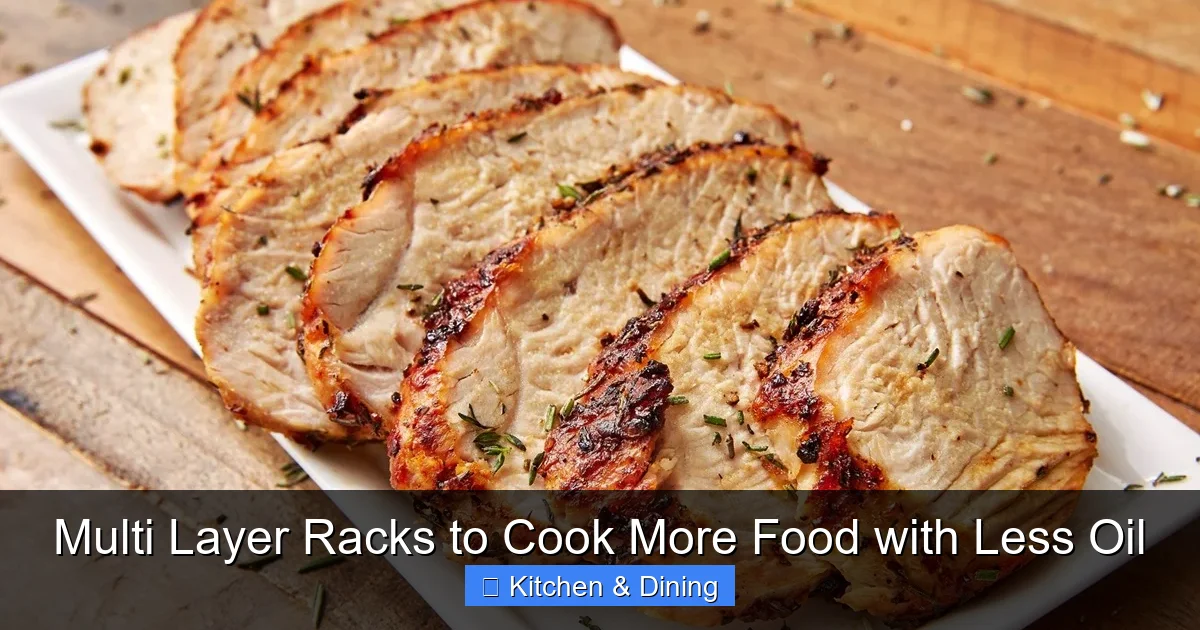
Visual guide about Multi Layer Racks to Cook More Food with Less Oil
Image source: recipes.net
Uneven Cooking
Cause: Overcrowded racks, poor air circulation, or hot spots in the appliance.
Solution: Ensure food is in a single layer on each rack, avoid blocking vents, and rotate racks during cooking. Adjust rack placement based on your appliance’s heat patterns.
Grease Dripping and Smoking
Cause: Fatty foods are placed directly above other foods or heating elements.
Solution: Use a drip tray or foil on the lowest rack to catch grease. Ensure fatty items are not directly over intense heat sources.
Conclusion
Multi-layer racks are a fantastic investment for anyone looking to cook more food with less oil. They boost your cooking capacity, promote healthier eating habits, and add incredible versatility to your kitchen. Whether you’re using an air fryer, oven, steamer, or pressure cooker, these racks will help you prepare delicious, evenly cooked meals more efficiently than ever before.
By understanding how they work, choosing the right ones, and employing smart cooking and cleaning techniques, you’ll be well on your way to enjoying larger, healthier, and more satisfying meals. So go ahead, embrace the multi-layer magic and transform your cooking experience!