
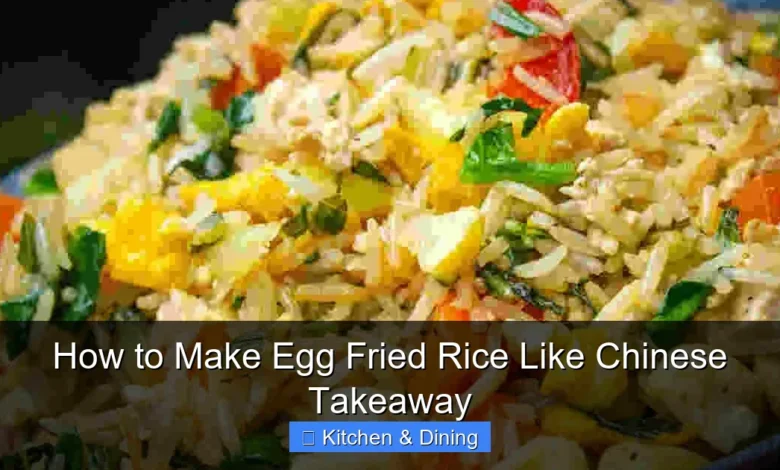
Unlock the secrets to making restaurant-quality egg fried rice in your own kitchen. This comprehensive guide provides step-by-step instructions, from choosing the right rice to achieving that perfect wok hei flavor. You’ll learn essential techniques to ensure your egg fried rice is fluffy, flavorful, and authentically Chinese takeaway.
Are you tired of disappointing homemade fried rice that ends up clumpy and bland? Do you dream of the fluffy, savory, and perfectly seasoned egg fried rice that you get from your favorite Chinese takeaway? Well, get ready to impress yourself and your loved ones, because today we’re diving deep into the secrets of making truly authentic Chinese takeaway egg fried rice right in your own kitchen!
Making restaurant-quality fried rice isn’t about having fancy equipment; it’s about understanding a few key principles and mastering a simple technique. We’ll walk you through everything, from selecting the best type of rice to achieving that coveted “wok hei” – the smoky, slightly charred flavor that makes takeaway fried rice so irresistible. By the end of this guide, you’ll have all the knowledge and confidence to whip up a batch of delicious egg fried rice that rivals any takeaway. Let’s get cooking!
Key Takeaways
- Use day-old, cold rice: This is the golden rule for preventing mushy fried rice. Cold rice grains are drier and separate easily, leading to a superior texture.
- High heat is crucial: Authentic Chinese takeaway fried rice is cooked quickly over high heat. This creates a smoky “wok hei” flavor and ensures ingredients cook without becoming soggy.
- Prep all ingredients beforehand: Mise en place is key. Chop all your vegetables, whisk your eggs, and have your sauces ready to go, as the cooking process is very fast.
- Don’t overcrowd the pan: Cooking in batches if necessary prevents the temperature from dropping too much, which is essential for achieving crispy bits and good texture.
- Master the egg technique: Learn how to create delicious ribbons of egg that are evenly distributed throughout the rice, adding both flavor and visual appeal.
- The soy sauce magic: Understanding how and when to add soy sauce is vital for seasoning and achieving that classic savory depth without making the rice heavy.
Why Your Homemade Fried Rice Might Be Failing
Before we jump into the deliciousness, let’s address why your previous attempts might have fallen short. Often, the culprits are simple: using fresh, warm rice which leads to a gummy texture, not cooking at a high enough temperature, or not having all your ingredients prepped and ready to go. Chinese cooking, especially stir-frying, is all about speed and precision. We’ll tackle these common issues head-on.
Choosing the Right Rice: The Foundation of Great Fried Rice
This is arguably the most crucial step. The type of rice you use and how you prepare it will make or break your egg fried rice.
The Best Rice Grain for Fried Rice
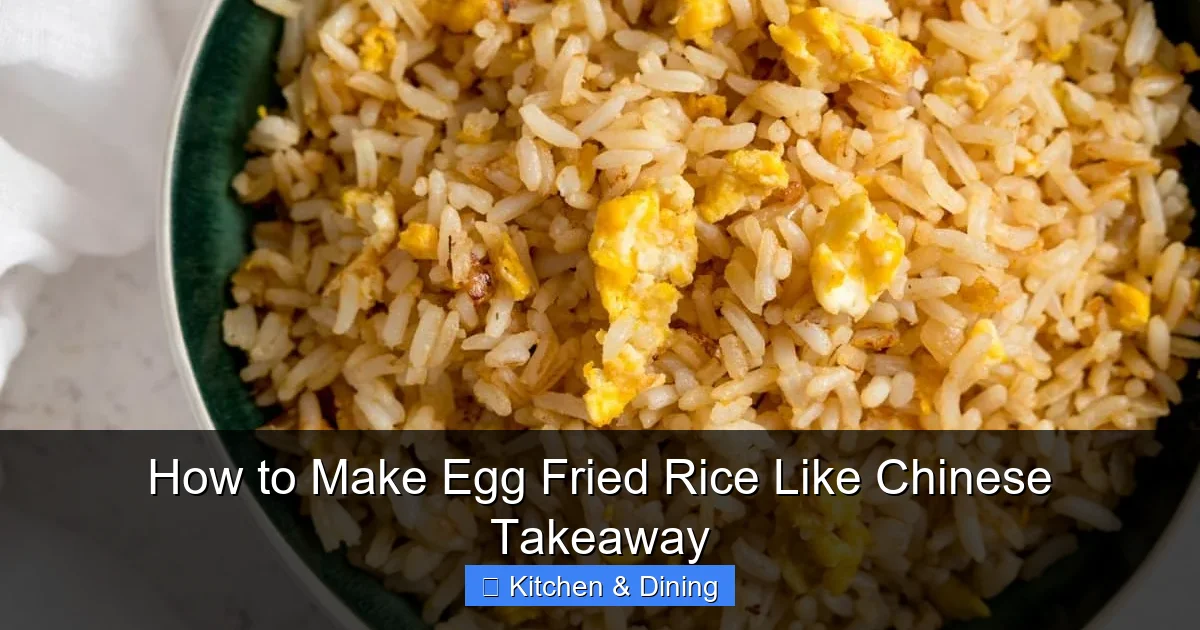
For the perfect texture, you need rice that cooks up fluffy and separate, not sticky. Long-grain rice varieties are your best bet. Specifically:
Visual guide about How to Make Egg Fried Rice Like Chinese Takeaway
Image source: kitchensanctuary.com
Visual guide about How to Make Egg Fried Rice Like Chinese Takeaway
Image source: kellystilwell.com
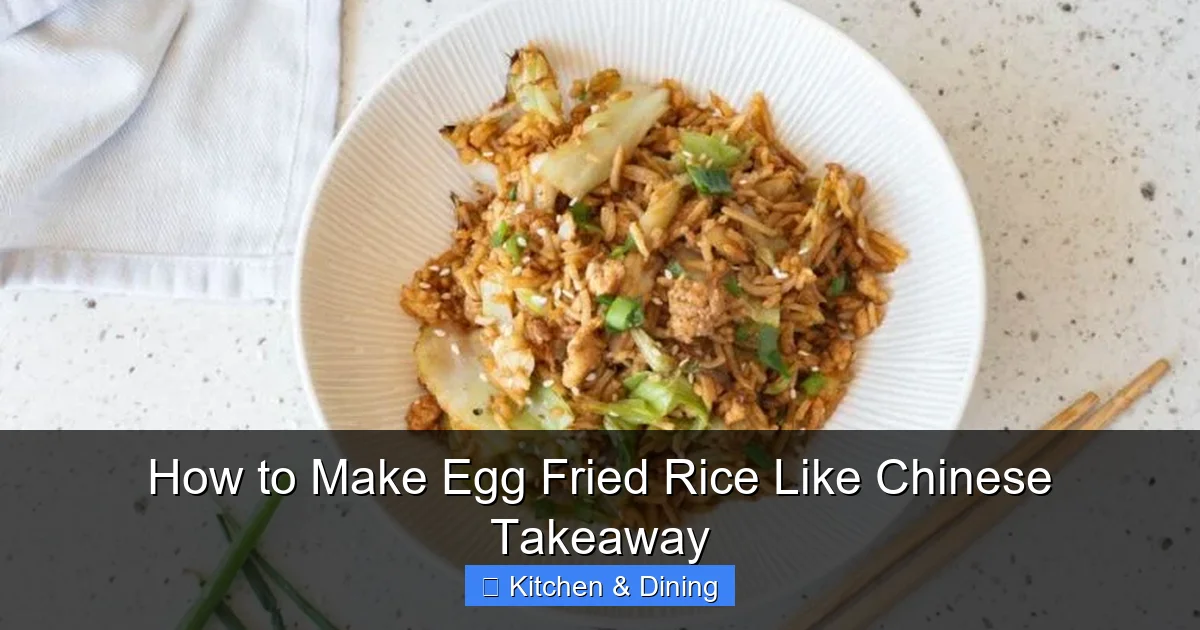
- Jasmine Rice: This is a classic choice. It has a slightly floral aroma and a tender texture that works wonderfully for fried rice.
- Basmati Rice: Another excellent option. Basmati grains are long and thin, and they cook up very dry and separate, which is exactly what we want.
Avoid short-grain or medium-grain rice like Arborio or sushi rice, as these are designed to be sticky and will result in a clumpy mess.
The Secret Weapon: Day-Old, Cold Rice
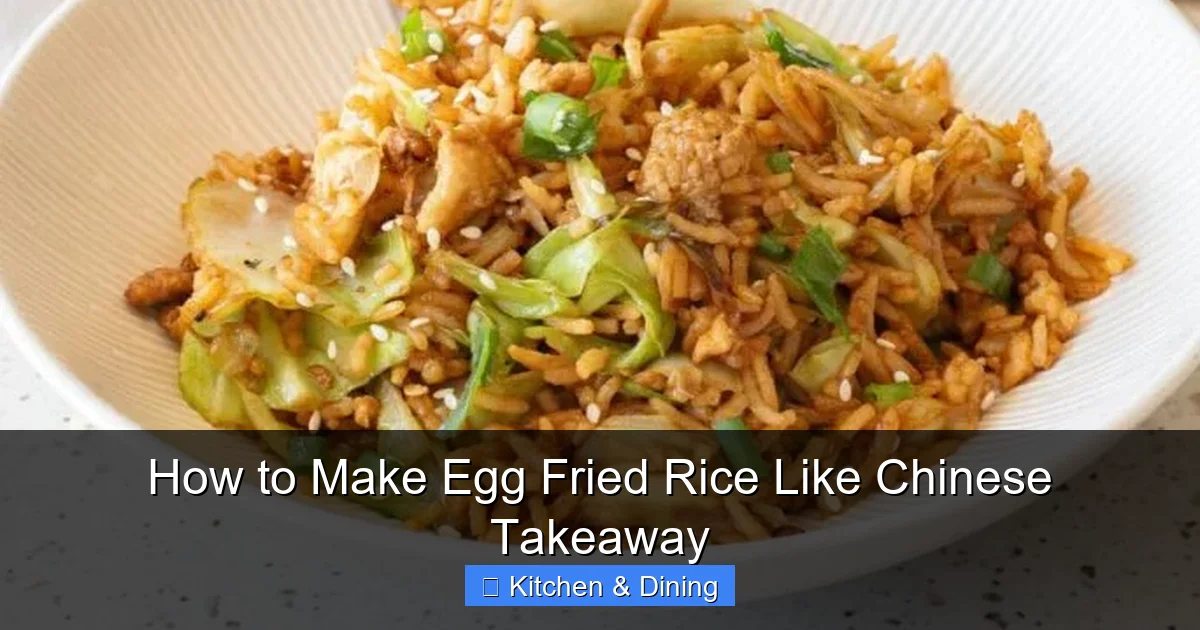
This is the number one rule of authentic fried rice. Never use freshly cooked rice. Why? Freshly cooked rice is full of moisture and is still quite tender. When you try to stir-fry it, the grains will break apart and stick together, creating a mushy, unpleasant texture.
Visual guide about How to Make Egg Fried Rice Like Chinese Takeaway
Image source: kellystilwell.com
What to do: Cook your rice at least a day in advance. Spread it out on a baking sheet or a large plate to cool completely. Then, cover it and refrigerate it overnight. The refrigeration process dries out the grains further, making them firm and perfectly separated for stir-frying. If you absolutely must use it the same day, cook the rice, spread it out thinly on a baking sheet, and let it cool down completely at room temperature for a few hours, then chill it in the fridge for at least 2-3 hours before using. For the absolute best results, however, overnight is king!
Pro Tip: If you’re serious about making fried rice often, consider investing in a good rice cooker. Many modern rice cookers have settings specifically designed for making rice ideal for fried rice, and they can also help you achieve perfectly cooked rice for other meals. Check out our guide on the best rice cookers reviews to find one that suits your needs.
Essential Ingredients: What You’ll Need
Gathering your ingredients before you start cooking is crucial for a smooth and successful stir-fry. This is known as “mise en place” in French, and it means “everything in its place.”
The Rice
2-3 cups cooked, cold, day-old rice (preferably Jasmine or Basmati)
The Eggs
2-3 large eggs
Pinch of salt
1 teaspoon soy sauce (optional, for added flavor to the eggs)
The Aromatics
2-3 cloves garlic, minced
1 inch ginger, grated or minced (optional, but highly recommended for authentic flavor)
1/2 cup finely chopped onion (white or yellow)
The Vegetables
1/2 cup frozen peas and carrots mix (thawed)
1/4 cup finely chopped bell pepper (any color, optional)
1/4 cup chopped green onions (scallions), whites and greens separated
The Sauces and Seasonings
2-3 tablespoons soy sauce (use a good quality, less sodium soy sauce if preferred)
1 tablespoon oyster sauce (optional, but adds a delicious umami depth)
1 teaspoon sesame oil
Salt and freshly ground black pepper, to taste
The Protein (Optional)
Cooked diced chicken, pork, shrimp, or firm tofu.
Equipment You’ll Need
A wok or a large, heavy-bottomed skillet. A wok is ideal for achieving high heat and tossing ingredients easily, but a large skillet will also work.
Spatula or wok spatula
Mixing bowls
Step-by-Step Guide to Perfect Egg Fried Rice
Now that you have everything ready, let’s get to the cooking! Remember, high heat and speed are key.
Step 1: Prepare Your Eggs
In a small bowl, whisk the eggs with a pinch of salt. If you like, you can add about a teaspoon of soy sauce to the eggs for extra flavor. Set aside.
Step 2: Heat Your Wok or Skillet
Place your wok or skillet over high heat. Let it get very hot – you should see a slight shimmer or even a wisp of smoke. Add 1-2 tablespoons of cooking oil (a neutral oil like vegetable, canola, or peanut oil is best). Swirl to coat the pan.
Step 3: Cook the Eggs
Pour the whisked eggs into the hot pan. Let them cook for about 20-30 seconds until they start to set around the edges. Then, gently scramble them with your spatula, breaking them into small pieces. You want little ribbons of cooked egg, not one large omelet. Once cooked, immediately slide the scrambled eggs onto a plate and set them aside. Don’t overcook them; they will cook a little more when added back to the rice.
Step 4: Sauté the Aromatics
Add another tablespoon of oil to the hot wok (if needed). Add the minced garlic, grated ginger (if using), and the white parts of the green onions. Stir-fry for about 30 seconds until fragrant. Be careful not to burn the garlic!
Step 5: Add Vegetables and Protein
Add your chosen vegetables (like peas, carrots, bell pepper) and any cooked protein you’re using. Stir-fry for 1-2 minutes until the vegetables are heated through and slightly tender-crisp. If you’re using frozen vegetables, make sure they’re thawed and any excess water is drained.
Step 6: Introduce the Rice
Add the cold, day-old rice to the wok. Break up any clumps with your spatula. Stir-fry vigorously, tossing the rice with the vegetables and aromatics for about 2-3 minutes. This step is crucial for heating the rice evenly and starting to get that slightly toasted flavor.
Step 7: Season the Fried Rice
Push the rice mixture to one side of the wok. Add the soy sauce and oyster sauce (if using) to the empty side of the wok. Let it sizzle for a few seconds, then toss everything together to coat the rice evenly. The hot wok will help the soy sauce caramelize slightly, adding depth of flavor.
Step 8: Incorporate the Eggs and Finish
Add the cooked scrambled eggs back into the wok. Add the green parts of the green onions. Stir-fry for another 1-2 minutes, tossing everything together to combine and ensure the eggs are heated through. Finally, drizzle with sesame oil and season with salt and freshly ground black pepper to your taste. Toss one last time.
Step 9: Serve Immediately
Transfer your hot, fluffy egg fried rice to serving plates. Enjoy the fruits of your labor immediately for the best taste and texture.
Tips for Achieving Chinese Takeaway Perfection
* The Power of High Heat: This cannot be stressed enough. A very hot wok or skillet is essential for stir-frying. If your pan isn’t hot enough, the ingredients will steam instead of fry, leading to a soggy dish. If you’re using a gas stove, turn the heat to its highest setting. For electric stoves, ensure your pan is thoroughly preheated.
* Don’t Crowd the Pan: If you’re making a large batch, cook it in two separate batches. Overcrowding the wok or skillet lowers the temperature, preventing proper stir-frying and leading to steamed, mushy rice.
* The “Wok Hei” Secret: This is that smoky, elusive flavor unique to stir-fried dishes cooked in a well-seasoned wok over high heat. While difficult to replicate perfectly at home, high heat, quick cooking, and allowing ingredients to slightly char contribute to achieving this flavor.
* Soy Sauce Placement: Adding soy sauce directly to the hot pan (as described in Step 7) allows it to caramelize and develop more flavor than just pouring it directly over the rice.
* Customization is Key: This recipe is a fantastic base. Feel free to add other vegetables like diced mushrooms, corn, or broccoli florets. For a spicier kick, add some chili flakes or a dash of sriracha.
* Seasoning: Taste and adjust seasoning at the end. Soy sauce can vary in saltiness, so add salt cautiously after tasting.
Troubleshooting Common Fried Rice Problems
Even with the best intentions, sometimes things don’t go perfectly. Here are some common issues and how to fix them:
My fried rice is clumpy and mushy.
Cause: This almost always means you used freshly cooked, warm rice. The grains were too moist and soft to stay separate during cooking.
Solution: For future batches, ensure you’re using cold, day-old rice. If you have a mushy batch on your hands, you can try to break it up gently and perhaps toast it in a dry, hot pan for a few extra minutes to evaporate some moisture, but it’s hard to fully recover from this.
My fried rice is too dry.
Cause: You might have used rice that was too dry to begin with, or you cooked it for too long at too high a heat without enough oil. Or, perhaps you didn’t add enough liquid seasoning.
Solution: In the future, ensure your rice has a good moisture balance. When serving, a small drizzle of extra soy sauce or sesame oil can help. You can also try adding a tablespoon or two of water or broth to the wok while stir-frying the rice to add back some moisture.
My fried rice is bland.
Cause: Not enough seasoning, or the seasonings were added too early and lost their flavor. Also, not cooking at a high enough heat can prevent flavors from developing properly.
Solution: Always taste and adjust seasoning at the end. Ensure you’re using enough soy sauce and consider adding oyster sauce for extra depth. High heat is crucial for flavor development.
My garlic burned.
Cause: Garlic cooks very quickly, especially over high heat. It was likely in the pan for too long, or the heat was too high when added.
Solution: Add garlic towards the end of sautéing aromatics, or ensure your heat is high but you are constantly stirring. You can also try mincing the garlic very finely so it cooks faster and more evenly.
Conclusion: Your Takeaway Awaits!
Congratulations! You’ve learned the secrets to making authentic Chinese takeaway egg fried rice at home. By focusing on using cold, day-old rice, mastering high-heat cooking, and prepping all your ingredients, you’re well on your way to creating a dish that’s both satisfying and delicious. This versatile recipe is a fantastic canvas for your culinary creativity, allowing you to add your favorite vegetables and proteins. So ditch the delivery menus and embrace the joy of making your own perfect egg fried rice. Happy cooking!