

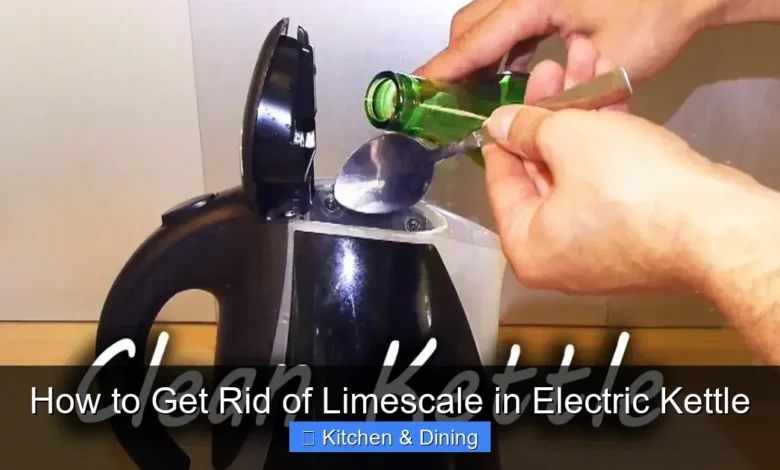
Discover how to effectively tackle limescale buildup in your electric kettle. This guide offers easy-to-follow methods using common household items like vinegar or citric acid to restore your kettle’s performance and ensure you enjoy clean, pure-tasting water with every use. Say goodbye to cloudy water and hello to a sparkling clean kettle!
Welcome! Are you tired of seeing that unsightly white, chalky buildup at the bottom of your electric kettle? Does your water sometimes taste a little off, or does your kettle seem to take longer to boil than it used to? If you answered yes to any of these questions, you’re likely dealing with limescale.
Limescale is a common problem, especially if you live in an area with hard water. These mineral deposits, mainly calcium carbonate, are left behind when water evaporates. Over time, they accumulate, forming a crusty layer that can affect your kettle’s performance and the purity of your water. But don’t worry! Getting rid of limescale in your electric kettle is a straightforward process.
In this comprehensive guide, we’ll walk you through several effective and safe methods to banish limescale from your electric kettle. You’ll learn how to use common household ingredients, understand the importance of regular descaling, and pick up some handy tips to keep your kettle sparkling and efficient. By the end of this guide, you’ll be equipped to restore your kettle to its former glory, ensuring every cup of tea or coffee is made with clean, great-tasting water.
Key Takeaways
- Understand Limescale: Recognize limescale as mineral deposits, primarily calcium carbonate, that build up from hard water, impacting your kettle’s efficiency and water taste.
- Vinegar Method: Utilize white vinegar’s acidity to dissolve limescale by boiling a diluted vinegar and water solution, followed by thorough rinsing.
- Citric Acid Alternative: Employ citric acid, a food-safe descaler, for a less pungent alternative to vinegar. Boil a solution and rinse well.
- Baking Soda for Stubborn Spots: Use a baking soda paste for targeted scrubbing of any remaining tough limescale.
- Regular Maintenance is Key: Implement routine descaling (monthly or as needed based on water hardness) to prevent severe buildup and maintain optimal performance.
- Safety First: Always unplug your kettle before cleaning and ensure it’s thoroughly rinsed to remove any cleaning solution residue.
Why Does Limescale Form in Electric Kettles?
Before we dive into the cleaning methods, let’s quickly understand why limescale is such a persistent guest in our kettles. As mentioned, it’s all about hard water. Hard water is simply water that contains a higher concentration of dissolved minerals, particularly calcium and magnesium. When you heat water in your kettle, these minerals become less soluble and precipitate out, sticking to the heating element and the interior walls of the kettle.
The more you use your kettle, and the harder your water is, the faster limescale will build up. This buildup isn’t just an aesthetic issue; it can have practical consequences. A thick layer of limescale acts as an insulator, meaning the heating element has to work harder and longer to heat the water. This leads to increased energy consumption and a longer boiling time. In severe cases, it can even damage the heating element. Moreover, these mineral deposits can impart a chalky taste to your water, affecting the flavor of your hot beverages.
The Best Methods to Get Rid of Limescale
Fortunately, you don’t need harsh chemicals or expensive cleaning products to tackle limescale. Nature and your pantry offer effective solutions. We’ll explore the most popular and efficient methods below.
Method 1: The Classic Vinegar Soak
White vinegar is a kitchen staple and a powerful natural descaler. Its acidity (acetic acid) effectively breaks down the calcium carbonate that forms limescale. This is often the go-to method for many households.
Step-by-Step Vinegar Descaling:
1. Prepare the Kettle:
- First and foremost, always unplug your electric kettle before you begin any cleaning. Safety first!
- Empty the kettle of any remaining water and discard it.
- If there’s a visible loose scale, you can try to brush it off gently with a soft cloth or sponge. Don’t scrub too hard, as you don’t want to scratch the interior.
2. Mix the Solution:
- In the kettle, combine equal parts of white vinegar and water. For a standard 1.7-liter kettle, this might mean 500ml of white vinegar and 500ml of water. If your kettle has a lot of limescale, you can use a stronger solution, perhaps 2 parts vinegar to 1 part water, but start with 1:1 for the first try.
- Ensure the solution covers all the areas with limescale.
3. Let it Soak (Optional but Recommended):
- For very stubborn limescale, allowing the vinegar solution to sit in the kettle for at least 30 minutes to an hour can enhance its effectiveness.
4. Boil the Solution:
- Place the kettle back on its base (ensure it’s plugged in) and bring the vinegar-water mixture to a boil.
- Once it boils, turn off the kettle and let the hot solution sit for another 15-30 minutes. You might notice the limescale starting to dissolve and flake away.
5. Empty and Rinse Thoroughly:
- Carefully pour the hot vinegar solution down the drain. Be cautious as it will be hot.
- Now comes the crucial part: rinsing. You need to rinse the kettle multiple times to get rid of the vinegar smell and any residual vinegar.
- Fill the kettle with fresh, clean water and boil it. Discard this water.
- Repeat the fresh water boil and discard process at least 2-3 more times, or until the smell of vinegar is completely gone. Smell the water after the last rinse to be sure.
6. Wipe Down:
- After rinsing, you can use a soft cloth or sponge to gently wipe away any remaining loosened scale. Rinse again if needed.
Tips for the Vinegar Method:
- Ventilation: Vinegar fumes can be strong. Ensure your kitchen is well-ventilated during the boiling process.
- Water Hardness: If you have very hard water, you might need to repeat the vinegar descaling process more frequently.
- For the Exterior: While this guide focuses on the interior, a damp cloth with a bit of diluted vinegar can also clean the exterior of your kettle.
Method 2: Citric Acid – The Odor-Free Alternative
If the smell of vinegar is a deal-breaker for you, citric acid is an excellent alternative. It’s a food-safe acid found naturally in citrus fruits and is widely used in commercial descalers. It works similarly to vinegar but without the pungent odor. You can usually find citric acid in the baking aisle of supermarkets or online.
Step-by-Step Citric Acid Descaling:
1. Unplug and Empty:
- As always, start by unplugging your kettle and emptying any water.
2. Mix the Solution:
- Add about 1-2 tablespoons of citric acid powder to your kettle.
- Fill the kettle with water, ensuring the citric acid dissolves completely and the solution covers the limescale.
3. Boil the Solution:
- Place the kettle on its base, plug it in, and bring the citric acid solution to a boil.
- Once it boils, switch off the kettle and let it sit for about 15-30 minutes. You should see the limescale begin to break down.
4. Empty and Rinse:
- Carefully pour out the hot solution.
- Rinse the kettle thoroughly with fresh water several times. Boil and discard fresh water at least 2-3 times to ensure all traces of citric acid are removed.
5. Final Wipe:
- Give the interior a gentle wipe with a soft cloth.
Tips for the Citric Acid Method:
- Dosage: Start with 1 tablespoon and add more if needed for tougher scale.
- Availability: Citric acid is a very effective and safe descaler, often preferred by those with sensitive noses.
Method 3: Baking Soda for Tough Spots
While vinegar and citric acid are excellent for overall descaling, sometimes you might have stubborn patches of limescale that need a bit of extra attention. Baking soda can act as a gentle abrasive and help lift these tough spots.
Step-by-Step Baking Soda Scrub:
1. Prepare a Paste:
- After you’ve completed a vinegar or citric acid descaling, if you still see some stubborn bits, mix a few tablespoons of baking soda with a little water to form a thick paste.
2. Apply and Scrub Gently:
- Using a soft cloth or sponge, apply the baking soda paste directly to the remaining limescale.
- Gently scrub the affected areas. The mild abrasive quality of baking soda should help lift the residue without scratching the kettle.
3. Rinse Well:
- Once you’ve scrubbed the spots, rinse the kettle thoroughly with clean water.
- Boil and discard fresh water once to ensure no baking soda residue remains.
Tips for the Baking Soda Method:
- Gentle Action: Remember that baking soda is a mild abrasive. Use gentle pressure to avoid damaging the kettle’s interior.
- Not a Primary Descaler: Baking soda is best used as a supplementary cleaning agent for stubborn spots after a primary descaling method.
Method 4: Lemon Juice – A Zesty Approach
For a more natural and fragrant option, lemon juice can also help combat limescale. The citric acid naturally present in lemons makes it an effective descaler, and it leaves a pleasant citrus scent.
Step-by-Step Lemon Juice Descaling:
1. Prepare the Lemon:
- Cut a lemon in half.
- Squeeze the juice of the lemon into your kettle.
- You can also add the lemon halves themselves to the kettle.
2. Add Water:
- Fill the kettle with about half to two-thirds water.
3. Boil and Steep:
- Bring the lemon water mixture to a boil.
- Once it boils, turn off the kettle and let it steep for about 30 minutes.
4. Empty and Rinse:
- Pour out the lemon water.
- Rinse the kettle thoroughly with fresh water. Boil and discard fresh water a couple of times to remove any lingering lemon taste or scent if desired.
Tips for the Lemon Juice Method:
- Freshness: Using fresh lemon juice is best for its natural acidity.
- Aroma: This method is great if you want your kettle to smell fresh and clean.
Troubleshooting Common Issues
Even with the best methods, you might encounter a few hiccups. Here’s how to troubleshoot:
Stubborn Scale That Won’t Budge:
If after trying a method, some limescale remains, try repeating the process or using a stronger concentration of vinegar or citric acid. For very persistent scale, you might need to let the solution soak for longer periods (several hours or overnight for particularly tough buildup, though always unplug and monitor). Ensure you’re using hot water for boiling the solutions, as heat accelerates the dissolving process.
Lingering Odors After Descaling:
This is most common with the vinegar method. The key is thorough rinsing. Boil and discard fresh water multiple times (5-6 times if necessary). You can also try boiling a small amount of plain water with a few fresh lemon slices or a spoonful of baking soda to help neutralize any lingering smells.
Scratches on the Kettle Interior:
Avoid using abrasive scrubbers like steel wool or stiff brushes. Always opt for soft cloths, sponges, or silicone spatulas. If minor scratches have occurred, they are usually cosmetic and shouldn’t affect the kettle’s function. However, deep scratches could potentially lead to corrosion over time.
My Kettle Still Boils Slowly:
This usually indicates that some limescale might still be present, or the heating element itself is starting to age. Ensure you’ve thoroughly descaled the kettle. If the problem persists after descaling, it might be time to consider replacing your electric kettle. For those looking for a new appliance, exploring options like a [best electric tea kettle for pour over coffee](https://homekitchenbox.com/best-electric-tea-kettle-for-pour-over-coffee/) can be worthwhile.
Preventing Future Limescale Buildup
The best way to deal with limescale is to prevent it from building up in the first place. Here are some proactive tips:
1. Empty After Each Use:
The simplest and most effective method is to empty your kettle of any leftover water immediately after use. This prevents water from evaporating and leaving minerals behind.
2. Wipe Dry:
After emptying, give the inside of your kettle a quick wipe with a soft, dry cloth. This removes any remaining moisture and helps keep the interior clean.
3. Consider a Water Filter:
If you have very hard water, investing in a water filter can significantly reduce the mineral content before it even reaches your kettle. This is a long-term solution for healthier water and cleaner appliances.
4. Regular Descaling:
Even with preventative measures, some scale might form over time. Aim to descale your kettle regularly. How often depends on your water hardness:
- Soft water areas: Once every 3-6 months.
- Moderately hard water areas: Once every 1-3 months.
- Very hard water areas: Once a month or even more frequently if you notice buildup.
5. Use Filtered or Distilled Water (Optional):
For maximum protection, you can use filtered or distilled water in your kettle. While this might be a bit more effort, it guarantees no mineral buildup.
Conclusion
Maintaining a clean electric kettle is essential for enjoying pure-tasting hot beverages and ensuring your appliance functions efficiently for years to come. Limescale might seem daunting, but as you’ve seen, it’s a manageable issue. With simple, readily available household ingredients like white vinegar, citric acid, baking soda, or lemon juice, you can effectively banish limescale and restore your kettle to its pristine condition.
Remember to prioritize safety by always unplugging your kettle before cleaning and to rinse thoroughly to remove any cleaning solution residue. By adopting a routine of regular descaling and simple preventative measures, you can keep your electric kettle sparkling clean and ready to deliver perfect cups of tea, coffee, or any other hot drink you desire. So, grab your cleaning supplies and get ready to enjoy water that’s as pure and refreshing as it should be!