
Choosing the right detergent is crucial for effective and safe power washing at home. This guide explores various gas power washer detergent types, explaining their uses for different surfaces like decks, concrete, siding, and vehicles. Learn how to select the best cleaner for your project and achieve sparkling results without damaging your property.
Gas Power Washer Detergent Types for Home Use
Your gas-powered pressure washer is a fantastic tool for tackling tough cleaning jobs around your home. From grimy driveways and decks to dingy siding and outdoor furniture, it can restore the beauty and cleanliness of almost any exterior surface. But to get the most out of your pressure washer, and to ensure you don’t cause any damage, choosing the right detergent is absolutely essential. Using plain water is fine for some tasks, but for stubborn dirt, grime, mold, mildew, and stains, a specialized detergent can make all the difference.
This comprehensive guide will walk you through the different types of detergents available for your gas power washer for home use. We’ll break down what each type is best suited for, how to use them effectively, and some important safety considerations. By the end of this guide, you’ll be confident in selecting the perfect detergent for any cleaning project, ensuring a sparkling clean finish every time.
Key Takeaways
- Understand Detergent Formulations: Power washer detergents come in liquid, powder, and concentrated forms, each with specific application methods and strengths.
- Surface-Specific Cleaners are Key: Different surfaces require different detergents to avoid damage; for example, deck cleaners are gentle while concrete cleaners are more aggressive.
- Consider Degreasers for Oily Stains: For stubborn grease, oil, or automotive fluid stains, specialized degreasers are necessary for effective removal.
- All-Purpose Cleaners Offer Versatility: These are good for general dirt and grime on a variety of surfaces but may not tackle heavy-duty stains.
- Eco-Friendly Options Exist: For environmentally conscious users, biodegradable and plant-based detergents offer effective cleaning with less impact.
- Always Read and Follow Instructions: Proper dilution ratios and application methods are essential for safety and optimal cleaning results.
- Test in an Inconspicuous Area: Before tackling a large surface, always test your chosen detergent in a small, hidden spot to ensure compatibility and prevent discoloration.
Understanding Power Washer Detergent Formulations
Before diving into specific types, it’s helpful to understand the general forms detergents come in. These formulations affect how you’ll mix and apply the cleaner.
Liquid Detergents
Liquid detergents are the most common type for pressure washers. They are easy to use and often come with built-in measuring guides or are designed to be poured directly into the pressure washer’s detergent tank or siphon hose.
Pros:
- Easy to measure and mix.
- Widely available in various formulations.
- Often have a pleasant scent.
Cons:
- Can be heavier and more expensive to ship.
- Some may be less concentrated than powders.
Powder Detergents
Powder detergents need to be mixed with water before use. They are typically more concentrated than liquids and can be a more economical option for larger cleaning jobs. Some come in dissolvable packets, making them even easier to prepare.
Pros:
- Highly concentrated, often leading to more cleaning power per ounce.
- Less expensive to ship and store.
- Can be a good choice for very large areas.
Cons:
- Requires careful mixing to ensure proper dilution.
- Undissolved particles can clog the pressure washer if not mixed thoroughly.
Concentrated Detergents
Both liquid and powder detergents can be concentrated. Concentrated formulas mean you’ll use less product per job, and they often offer the best value for money. However, precise dilution is crucial.
Pros:
- Economical in the long run.
- Less packaging waste.
- Powerful cleaning action.
Cons:
- Requires accurate measurement and dilution.
- Over-concentration can damage surfaces or the pressure washer.
Types of Detergents by Surface and Application
The most important factor in choosing a detergent is the surface you’re cleaning. Different materials have different sensitivities. Using the wrong cleaner can lead to etching, discoloration, or permanent damage.
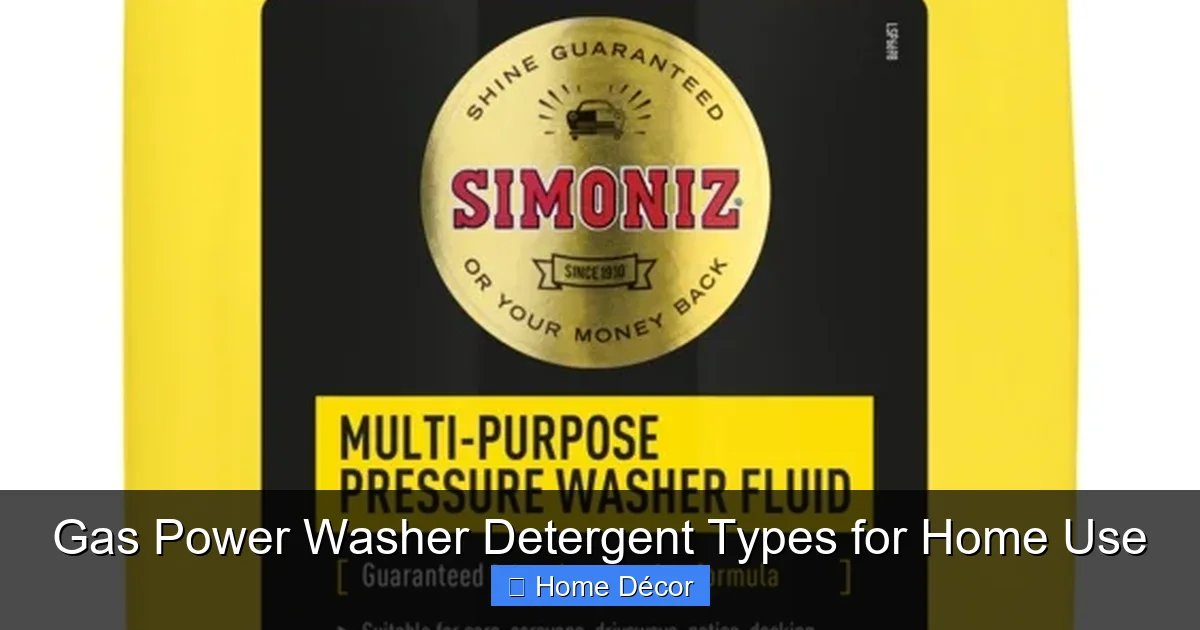
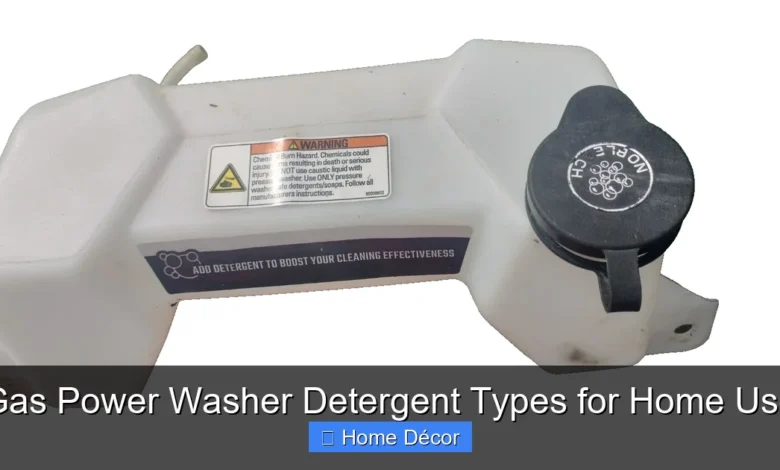
Visual guide about Gas Power Washer Detergent Types for Home Use
Image source: accesstoretail.com
All-Purpose Cleaners
As the name suggests, all-purpose cleaners are designed for general cleaning tasks on a variety of surfaces. They are excellent for removing common dirt, dust, pollen, and light grime from surfaces like siding, patios, outdoor furniture, and even cars. These are usually mild and formulated to be safe for most materials.
Best For:
- General dirt and grime.
- Lightly soiled surfaces.
- A quick clean-up.
- Siding, fences, concrete walkways, and some plastics.
When to Use:
If you have a broad range of cleaning tasks and aren’t dealing with specific heavy-duty stains, an all-purpose cleaner is a convenient and safe choice. It’s a great starting point for most home users.
Deck and Wood Cleaners
Wood decks and fences can be particularly sensitive to harsh chemicals. Deck cleaners are specifically formulated to lift dirt, mold, mildew, and algae without damaging the wood fibers or causing them to splinter. They often contain brighteners to restore the natural color of the wood.
Best For:
- Wooden decks.
- Wood fences.
- Log cabins.
- Other natural wood surfaces.
When to Use:
When your wood deck looks dull, is covered in mildew, or has accumulated a season’s worth of grime, a dedicated deck cleaner is your best bet. They help preserve the wood’s integrity while making it look like new.
Concrete and Driveway Cleaners
Concrete and asphalt are porous and can absorb oil, grease, dirt, and tire marks. Concrete cleaners are typically more aggressive than all-purpose cleaners. They are designed to break down tough stains and grime that have penetrated the surface.
Best For:
- Driveways.
- Patios.
- Sidewalks.
- Garage floors.
- Any concrete or masonry surface with tough stains.
When to Use:
If you have oil spots from your car, tire marks, or deeply embedded dirt on your concrete surfaces, a concrete cleaner will provide the necessary power to lift these stubborn blemishes. Always rinse thoroughly to prevent residue buildup.
Mold and Mildew Removers
Mold and mildew are common problems, especially in damp or shaded areas. These cleaners are specifically formulated to kill mold and mildew spores, preventing them from returning. They often contain bleach or other antimicrobial agents, so care must be taken when using them around plants and painted surfaces.
Best For:
- Siding.
- Decks.
- Fences.
- Patio furniture.
- Any exterior surface with visible mold or mildew growth.
When to Use:
If you notice fuzzy black, green, or white growth on your exterior surfaces, it’s time for a mold and mildew remover. These are particularly effective in humid climates or areas that don’t get much direct sunlight.
Automotive Detergents
While you can use your pressure washer to clean your car, it’s vital to use a detergent specifically designed for automotive use. These are formulated to be gentle on car paint, chrome, and plastic trim while effectively removing road film, bugs, and dirt.
Best For:
- Cars.
- Trucks.
- Boats.
- RVs.
- Motorcycles.
When to Use:
When you want a professional-level clean for your vehicle without the risk of stripping wax or damaging the finish, an automotive detergent is the way to go. Remember to use lower pressure settings and a wider nozzle when washing vehicles.
Grease and Oil Removers (Degreasers)
For extremely stubborn stains like motor oil, grease, or hydraulic fluid, a degreaser is necessary. These are powerful cleaning agents that break down and emulsify heavy oils, making them easier to wash away.
Best For:
- Driveways with oil spots.
- Garage floors.
- Mechanic’s bays.
- Equipment.
When to Use:
If you’ve experienced a leak from your vehicle or machinery, or if your workshop floor is covered in built-up grease, a degreaser is the only solution that will effectively tackle the mess.
How to Choose the Right Detergent for Your Project
Selecting the correct detergent involves a few simple steps. Keep these points in mind:
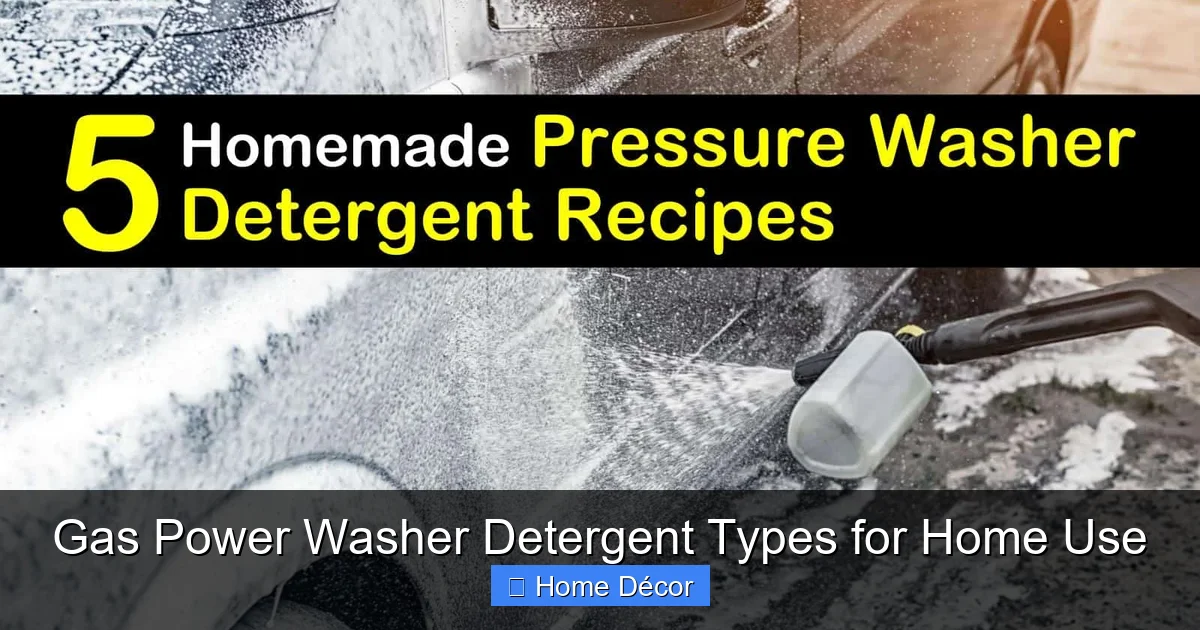
Visual guide about Gas Power Washer Detergent Types for Home Use
Image source: tipsbulletin.com
1. Identify the Surface Type
This is the most crucial step. Is it wood, concrete, vinyl siding, painted metal, or something else? Refer back to the surface-specific sections above.
2. Assess the Type of Dirt or Stain
Are you dealing with general grime, mold and mildew, oil stains, or something else? This will determine the strength and type of detergent needed.
3. Read Product Labels Carefully
Manufacturers provide detailed instructions on their labels. Look for information on:
- Recommended surfaces: Does it say it’s safe for wood, concrete, vinyl, etc.?
- Dilution ratios: How much product to mix with water.
- Application method: Whether to apply with a siphon, detergent tank, or as a pre-mixed solution.
- Safety warnings: Precautions for use around plants, pets, and your own skin and eyes.
4. Consider Environmental Impact
Many manufacturers now offer biodegradable or eco-friendly detergents. If you’re concerned about runoff affecting your garden or local waterways, look for these options. They are often plant-based and free of harsh chemicals.
How to Use Detergent with Your Gas Power Washer
Using detergent with your power washer is generally straightforward, but always consult your pressure washer’s manual and the detergent’s instructions. There are typically a few ways to apply detergent:
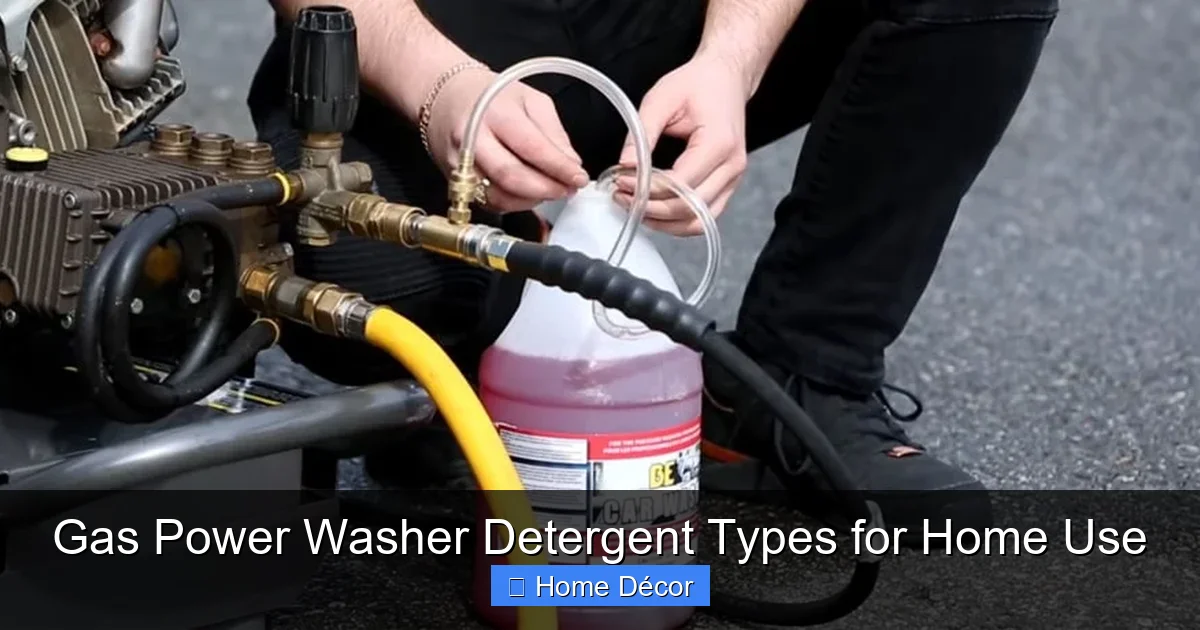
Visual guide about Gas Power Washer Detergent Types for Home Use
Image source: cdn.cleanup.expert
Using the Detergent Tank
Many gas power washers have an onboard detergent tank. You’ll fill this tank with the recommended detergent (often diluted according to instructions).
Steps:
- Fill the detergent tank with the appropriate detergent, following the product’s dilution guidelines.
- Connect the appropriate nozzle for detergent application (often a black or low-pressure nozzle).
- Start the pressure washer and allow it to draw the detergent.
- Apply the detergent to the dry surface. Work in manageable sections.
- Let the detergent dwell for the recommended time (usually 5-15 minutes) to break down grime. Do not let it dry on the surface.
- Switch to a rinsing nozzle and thoroughly rinse the surface with clean water.
Using a Siphon Hose
If your pressure washer doesn’t have a detergent tank or you’re using a larger amount, you can use a siphon hose. The hose typically draws detergent directly from a bucket.
Steps:
- Fill a separate bucket with the detergent and water mixture, following dilution instructions.
- Insert the siphon hose into the bucket of detergent solution.
- Connect the appropriate nozzle for detergent application.
- Start the pressure washer and apply the detergent to the dry surface.
- Allow the detergent to dwell.
- Rinse thoroughly with clean water.
Using a Detergent-Injecting Wand or Foam Cannon
Some pressure washer accessories, like specialized wands or foam cannons, can be used to apply detergent. These often create a rich foam that clings to surfaces, allowing for longer dwell times and better penetration of grime.
Steps:
- Fill the foam cannon or reservoir with the diluted detergent.
- Attach it to your pressure washer wand.
- Apply the foam generously to the dry surface.
- Allow it to dwell.
- Rinse thoroughly.
Important Note: Never mix detergents together, and always rinse the detergent system thoroughly with plain water after use to prevent clogs and corrosion.
Practical Tips for Using Detergent Safely and Effectively
To ensure the best results and avoid potential issues, keep these tips in mind:
- Always rinse thoroughly: This is critical. Detergent residue can attract dirt, damage surfaces, and harm plants.
- Don’t let the detergent dry: If the surface dries before you rinse, it can leave streaks or etching. Work in small sections, especially on warm, sunny days.
- Test in an inconspicuous area: Before cleaning a large surface, spray a small, hidden area to check for any adverse reactions like discoloration or damage.
- Protect surrounding plants: Many detergents can harm plants. Wet down nearby vegetation with plain water before you start and rinse them thoroughly afterward. You can also cover them with tarps.
- Wear protective gear: Always wear safety glasses or goggles to protect your eyes and gloves to protect your skin.
- Start with the lowest effective pressure: For most detergent applications, you’ll be using a lower-pressure nozzle to apply the cleaner.
- Understand your pressure washer’s capabilities: Not all pressure washers are designed to handle detergents through their siphon system. Check your manual.
Troubleshooting Common Detergent Issues
Even with the best intentions, you might run into a few snags. Here’s how to deal with them:
Problem: Detergent isn’t being drawn by the pressure washer.
Possible Causes:
- Detergent tank is empty or low.
- Siphon hose is kinked or blocked.
- Incorrect nozzle is attached (you need a low-pressure nozzle for detergent).
- The detergent is too thick and won’t siphon properly.
- The pressure washer’s detergent system is clogged.
Solutions: Check the tank level, straighten or clear the hose, switch to the correct nozzle, try a more diluted detergent, or clean the detergent system.
Problem: Streaks or residue left on the surface after rinsing.
Possible Causes:
- Inadequate rinsing.
- Detergent dried on the surface before rinsing.
- Detergent was not diluted correctly (too concentrated).
- The detergent itself is leaving a residue (less common with reputable brands).
Solutions: Rinse again thoroughly, rewash the area ensuring the detergent doesn’t dry, re-dilute the detergent for future use, or try a different brand.
Problem: Surface appears discolored or damaged.
Possible Causes:
- Wrong type of detergent used for the surface.
- Detergent was too strong or left on too long.
- Pressure was too high (though this is more about the nozzle and technique).
Solutions: This is a difficult problem to fix. If possible, try rinsing immediately with plenty of water. For permanent damage, you may need to seek professional advice or consider resurfacing options. Always test first to avoid this!
Conclusion
Choosing the right gas power washer detergent is a critical step in achieving effective and safe cleaning results for your home. By understanding the different types of detergents – from all-purpose cleaners to specialized formulas for decks, concrete, and vehicles – and by always reading product labels and following instructions, you can tackle any cleaning challenge with confidence. Remember to prioritize surface compatibility, use appropriate application methods, and always rinse thoroughly. With the right detergent and a bit of know-how, your gas power washer will be your go-to tool for keeping your home’s exterior looking its best.