
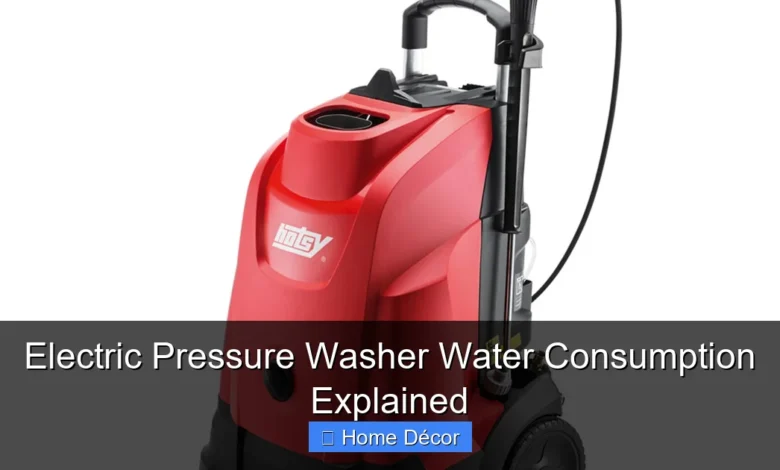
Water consumption is a significant factor when using an electric pressure washer. This guide will walk you through the basics of water consumption, how to measure it, and tips to optimize your washer’s efficiency. By understanding these aspects, you can make your cleaning tasks more eco-friendly and cost-effective.
Key Takeaways
- Understanding Water Consumption: Learn about how much water electric pressure washers typically use and why it matters.
- Measuring Water Consumption: Discover how to measure water consumption and make calculations based on your washer’s specifications.
- Optimizing Water Usage: Get tips on optimizing your washer’s water usage to save on costs and conserve water.
- Choosing the Right Washer: Understand how to choose a washer with optimal water consumption for your needs.
- Environmental Impact: Learn about the environmental implications of water consumption and how you can reduce your impact.
Introduction
When it comes to cleaning your home, an electric pressure washer is a useful tool that can save you time and effort. However, it’s essential to understand its water consumption to be eco-friendly and cost-effective. This guide will equip you with all the knowledge you need to optimize your electric pressure washer’s water usage.
Understanding Water Consumption
Water consumption refers to the amount of water used by your pressure washer during operation. It’s measured in gallons per minute (GPM). The higher the GPM, the more water your washer uses. Understanding this can help you choose a washer that fits your cleaning needs without wasting water.
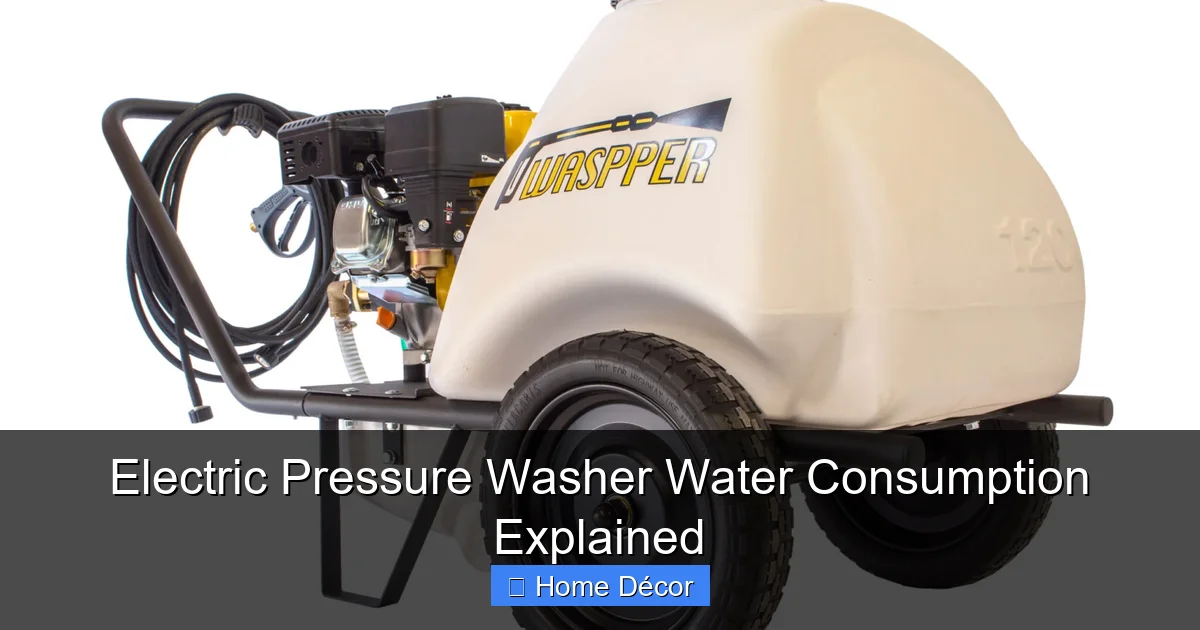
Visual guide about Electric Pressure Washer Water Consumption Explained
Image source: brookpressurewashing.com
Measuring Water Consumption
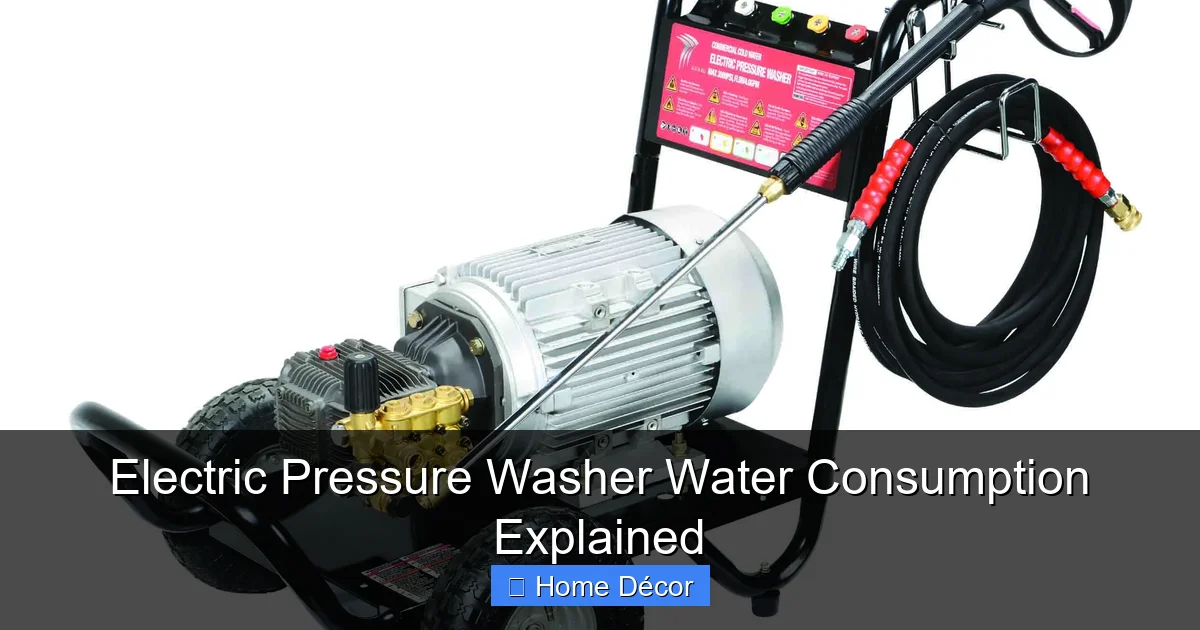
To measure water consumption, look at your washer’s specifications. The GPM rating will tell you how much water it uses per minute. For example, if your washer has a GPM rating of 2, it means it uses 2 gallons of water per minute. To calculate the total water usage, multiply the GPM by the total minutes you plan to use the washer.
Visual guide about Electric Pressure Washer Water Consumption Explained
Image source: machmall.com
Practical Example
If your washer has a GPM rating of 2 and you plan to use it for 30 minutes, the total water usage would be 60 gallons (2 GPM x 30 minutes = 60 gallons).
Optimizing Water Usage
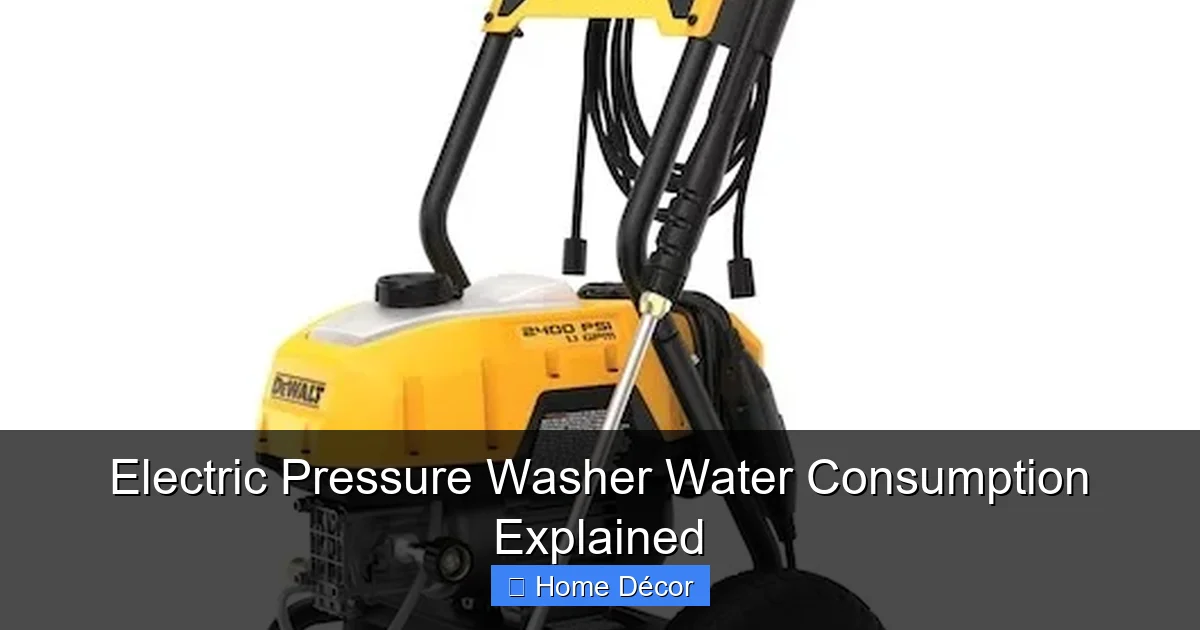
Optimizing water usage is not just about saving money on your water bill, but also about reducing your environmental impact. Here are some tips to optimize your washer’s efficiency:
Visual guide about Electric Pressure Washer Water Consumption Explained
Image source: rental.howelumber.com
- Use the Right Nozzle: Different nozzles provide different pressure levels. Using a higher pressure nozzle can help you clean more effectively, reducing the time spent and hence the water used.
- Pre-Clean with a Brush: For heavily soiled surfaces, pre-cleaning with a brush can reduce the time you need to spend pressure washing, thus saving water.
- Maintain Your Washer: Regular maintenance ensures your washer works efficiently, reducing water waste.
Choosing the Right Washer
Choosing a washer with optimal water consumption for your needs can significantly reduce water usage. Consider your cleaning needs and choose a washer with a suitable GPM rating. Remember, a washer with a higher GPM rating will clean faster but use more water.
Environmental Impact
Excessive water usage has significant environmental implications. By optimizing your washer’s water usage, you can contribute to water conservation and reduce your environmental footprint.
Conclusion
Understanding water consumption in electric pressure washers is crucial for efficient, eco-friendly cleaning. By measuring consumption, optimizing usage, and choosing the right washer, you can make your cleaning tasks more sustainable and cost-effective. Happy pressure washing!