

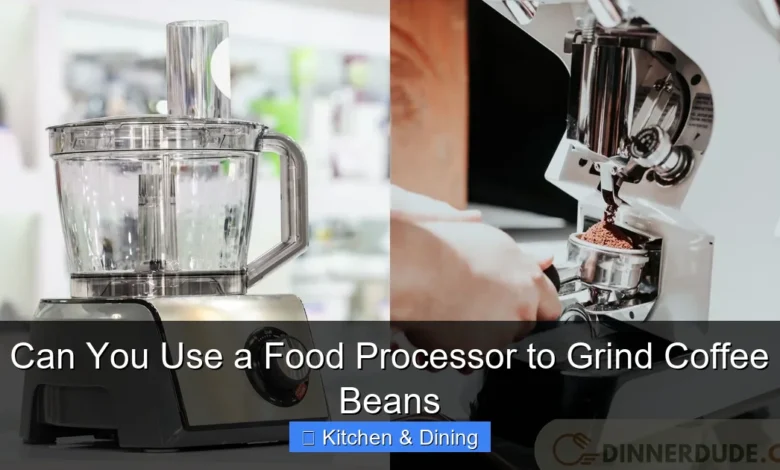
Wondering can you use a food processor to grind coffee beans? While it’s not ideal, it’s possible in a pinch! This guide walks you through the process, highlighting the benefits of freshly ground coffee and offering practical tips for achieving the best results. We’ll also discuss the drawbacks and suggest when a dedicated coffee grinder is a better choice for your perfect cup.
Are you craving a fresh cup of coffee but find yourself without a dedicated coffee grinder? It’s a common dilemma for many home baristas. You might be looking at your trusty food processor and wondering, “Can you use a food processor to grind coffee beans?” The short answer is, yes, you *can*. However, it comes with a significant caveat: it’s not the optimal method, and the results might not be what you’re used to from a high-quality grinder.
In this comprehensive guide, we’ll dive deep into using a food processor for grinding coffee beans. We’ll cover the step-by-step process, highlight the pros and cons, and offer practical tips to help you get the best possible outcome. By the end, you’ll know whether this kitchen workhorse is the right tool for your coffee grinding needs or if it’s time to invest in a dedicated coffee grinder.
Key Takeaways
- A food processor can grind coffee beans in a pinch, but it’s not the ideal tool for the job. The results are often inconsistent, producing a mix of fine powder and large chunks.
- The main advantage is convenience if you don’t own a dedicated coffee grinder. You can achieve a passable grind for most brewing methods, especially if you’re not overly particular about particle size.
- Consistency is a major drawback. Food processors are designed to chop and mix, not uniformly grind, leading to uneven extraction and a less flavorful coffee.
- You risk dulling your food processor blades and potentially damaging the motor. Coffee beans are hard and abrasive, which can wear down blades over time.
- Heat can be generated, affecting the coffee’s flavor. Prolonged processing can warm the beans, leading to a stale or burnt taste.
- The grind size is difficult to control. Achieving a fine grind for espresso or a coarse grind for French press is challenging and often requires multiple attempts.
- Cleaning can be a hassle, especially if coffee grounds get into nooks and crannies.
Understanding the Difference: Food Processor vs. Coffee Grinder
Before we jump into the “how-to,” it’s crucial to understand why a food processor isn’t the first choice for grinding coffee beans.
How Coffee Grinders Work
Dedicated coffee grinders, whether blade or burr, are specifically designed to break down coffee beans into uniform particles.
* Blade Grinders: These use a spinning blade, similar to a blender, to chop the beans. While they are generally less expensive, they can produce an inconsistent grind.
* Burr Grinders: These use two abrasive surfaces (burrs) to crush beans into uniform sizes. Burr grinders offer superior control over grind size, producing a more consistent particle distribution, which is vital for optimal extraction and flavor. If you’re serious about your coffee, exploring the best burr coffee grinders is a worthwhile endeavor.
How Food Processors Work
Food processors are designed for a variety of tasks like chopping vegetables, making purees, and mixing dough. Their blades spin at high speeds, creating a vortex that pulls ingredients down towards the blades. This action is more about pulverizing and chopping than precise grinding.
Can You Use A Food Processor To Grind Coffee Beans?
As mentioned, yes, you can. However, expect an uneven grind. You’ll likely end up with a mix of fine powder and larger, unground pieces. This inconsistency can lead to over-extraction of some grounds and under-extraction of others, resulting in a less flavorful and potentially bitter cup of coffee. For the best coffee beans for your brewing method, consider options like the best coffee beans for Breville espresso machine.
The Pros and Cons of Using a Food Processor for Coffee
Let’s weigh the advantages and disadvantages.
Pros:
- Convenience: If you don’t have a coffee grinder, your food processor is readily available.
- Cost-Effective (in the short term): You avoid buying a new appliance if you already own one.
- Batch Size: Most food processors can handle a decent quantity of beans at once.
Cons:
- Inconsistent Grind: This is the biggest drawback. Uneven particle sizes lead to poor extraction and flavor.
- Blade Wear and Damage: Coffee beans are hard. Repeatedly grinding them can dull or even damage your food processor blades, especially if it’s a less robust model.
- Overheating: The motor can generate heat, which can “cook” the coffee beans, negatively impacting their delicate aromas and flavors.
- Difficulty Controlling Grind Size: It’s hard to achieve specific grinds needed for different brewing methods (e.g., fine for espresso, coarse for French press).
- Cleaning Challenges: Coffee oils and fine dust can cling to the processor bowl and blades, making cleanup tedious.
- Potential Motor Strain: Grinding hard beans puts extra stress on the food processor motor, potentially shortening its lifespan.
Step-by-Step Guide: Grinding Coffee Beans in a Food Processor
If you’ve decided to go ahead, here’s how to do it as effectively as possible.
Step 1: Gather Your Supplies
You will need:
- Whole coffee beans
- Your food processor
- A sturdy spatula or spoon
- A clean container for your ground coffee
- A timer (optional, but helpful for consistency)
Step 2: Prepare Your Food Processor
Ensure your food processor is clean and dry. Any residual moisture or food particles can affect the taste of your coffee.
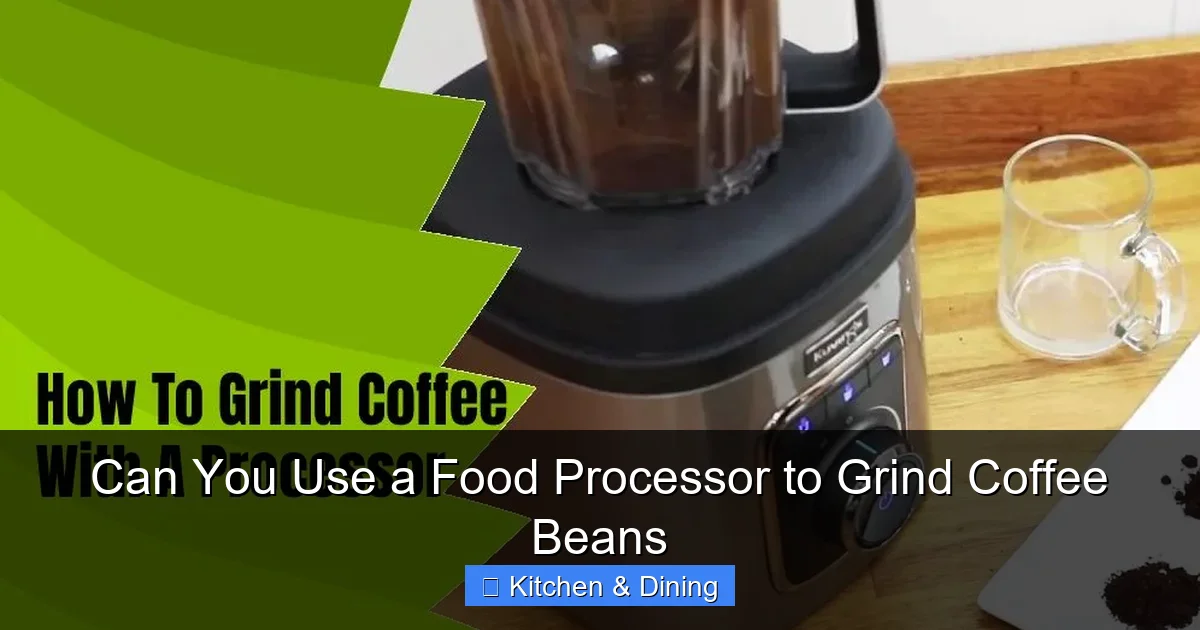
Visual guide about Can You Use a Food Processor to Grind Coffee Beans
Image source: typescoffee.com
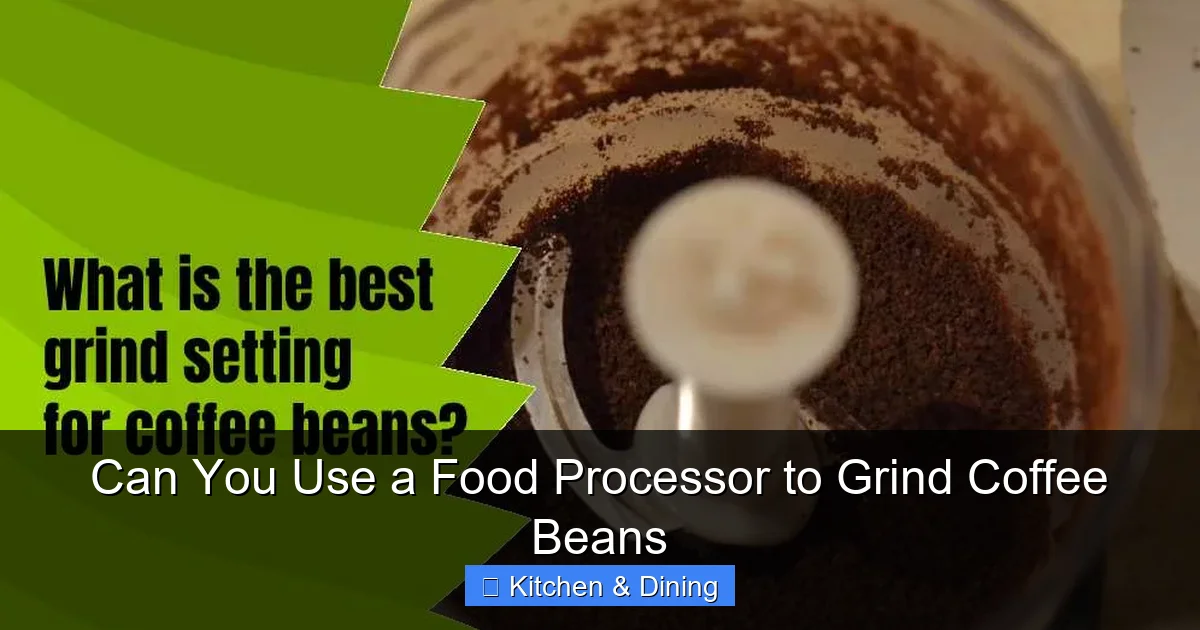
Visual guide about Can You Use a Food Processor to Grind Coffee Beans
Image source: typescoffee.com
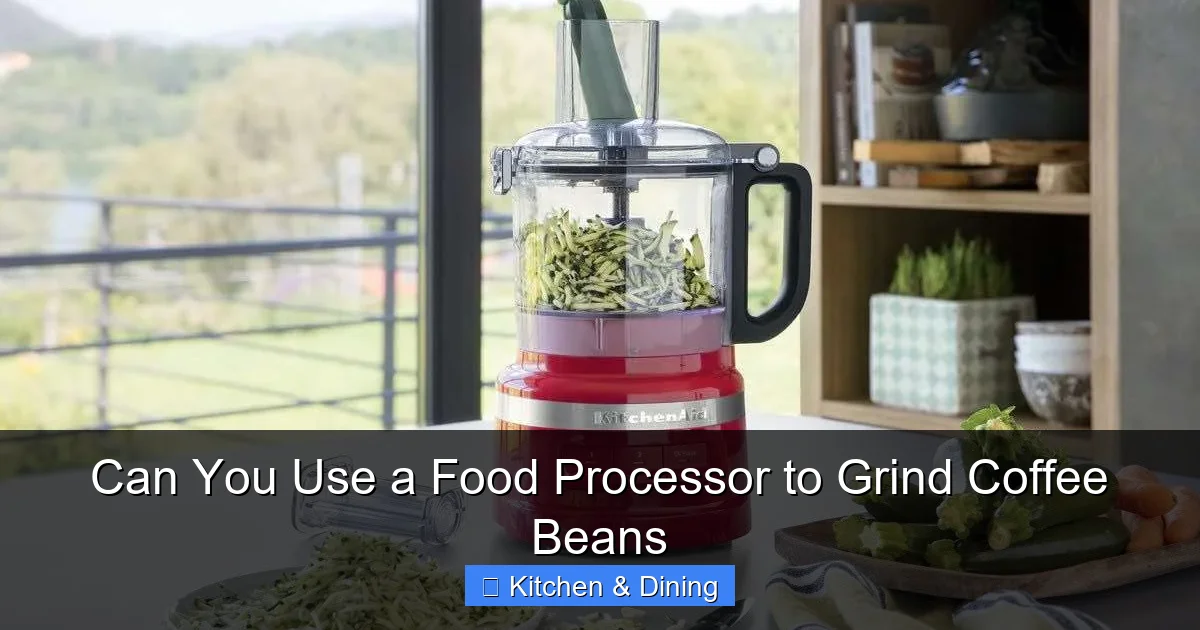
Visual guide about Can You Use a Food Processor to Grind Coffee Beans
Image source: brewingcoffees.com
Step 3: Measure Your Coffee Beans
Decide how much coffee you want to grind. It’s generally better to grind in smaller batches to avoid overheating and to get a slightly more consistent result. Refer to your coffee brewing recipe for the correct amount of beans.
Step 4: Add Beans to the Bowl
Place the whole coffee beans into the food processor bowl. Do not overfill the bowl; leave plenty of space for the beans to move around. A good rule of thumb is to fill it no more than one-third to half full.
Step 5: The Grinding Process
This is where you need to be careful and patient.
Option A: Pulse Method (Recommended)
This method gives you more control and is less likely to overheat the beans or motor.
- Secure the lid on the food processor.
- Pulse the motor in very short bursts – just 1-2 seconds at a time.
- After each pulse, stop, remove the lid, and use your spatula to scrape down the sides of the bowl and push the larger beans back towards the blades.
- Observe the consistency. You’ll be looking for a mix of particle sizes, but aim to break down the majority of the beans.
- Continue pulsing and scraping until you reach your desired grind consistency. This might take several minutes and multiple pulses.
Option B: Continuous Running (Use with Caution)
This method is faster but carries a higher risk of overheating and inconsistent results.
- Secure the lid.
- Run the food processor continuously for short intervals (e.g., 15-30 seconds).
- Stop, stir the beans with a spatula to redistribute them, and check the consistency.
- Repeat, being very mindful of the motor’s temperature and the smell of the beans. If you smell burning or a significant warming, stop immediately.
Step 6: Check the Grind Consistency
Once you believe the beans are ground, remove the lid and examine the contents. You’re looking for a grind that is suitable for your brewing method.
- Coarse Grind: Resembles sea salt. Good for French press.
- Medium Grind: Resembles regular sand. Good for drip coffee makers.
- Fine Grind: Resembles table salt or slightly finer. Good for pour-over or espresso machines. (Achieving a truly fine and consistent grind with a food processor is very difficult).
If the grind is too coarse, return the beans to the processor and pulse a few more times, remembering to scrape the sides. If it seems too fine and you want to coarsen it, you can try adding a few whole beans and pulsing briefly, though this will create more inconsistency.
Step 7: Clean Up Immediately
Coffee grounds and oils can leave a strong aroma and residue. Clean your food processor bowl, lid, and blades thoroughly right after use. A good scrub with warm, soapy water should suffice. You might also consider running a batch of uncooked rice or bread through it to help absorb lingering odors. For a deeper clean, consult your food processor’s manual. You might also want to check out the best way to clean the inside of a microwave oven for general kitchen cleaning tips.
Tips for Better Results
While a food processor isn’t ideal, these tips can help you get a more acceptable grind:
- Work in Small Batches: This is the most important tip. Smaller amounts allow beans to move more freely and reduce the risk of overheating.
- Use Short Pulses: Frequent, short pulses give you more control than continuous running.
- Scrape Down the Sides: Regularly scraping down the bowl ensures all beans get processed, leading to a more even grind.
- Cool the Motor: If you’re grinding a larger quantity, let the food processor cool down between batches.
- Don’t Over-Process: Stop when you reach a reasonably consistent grind. Over-processing will create heat and uneven particles.
- Accept Imperfection: Understand that you won’t achieve the same uniformity as a dedicated grinder.
- Consider the Bean Roast Level: Lighter roast beans are harder and more brittle, making them more challenging to grind in a food processor. Darker roast beans are more brittle and might grind slightly easier but can also turn to powder more quickly.
When to Consider a Dedicated Coffee Grinder
If you find yourself grinding coffee beans frequently, or if you’re particular about the taste and quality of your coffee, investing in a dedicated coffee grinder is highly recommended.
- For Espresso: Espresso machines require a very fine and consistent grind. A food processor will almost certainly fail to deliver this, leading to under-extracted, sour espresso.
- For Pour-Over or Drip Coffee: While a food processor can produce a passable grind for these methods, the inconsistency can still impact the flavor. A dedicated grinder ensures a more balanced extraction. You can find guides on the best coffee grinders for pour over to help you choose.
- For French Press: A coarse, even grind is essential for French press. Food processors struggle to achieve this consistently.
- For Flavor Purity: If you truly want to taste the nuances of your coffee beans, a uniform grind is key.
- For Appliance Longevity: Protect your food processor from unnecessary wear and tear.
There are many affordable options available, from inexpensive blade grinders to budget-friendly burr grinders. Looking for the best cheap coffee grinders or best small coffee grinders can help you find a suitable option without breaking the bank.
Troubleshooting
**Problem:** My coffee is coming out bitter or burnt.
Solution: This is likely due to overheating. You processed the beans for too long or too continuously, generating too much heat. Ensure you use short pulses and let the processor cool between batches.
**Problem:** My coffee tastes weak or sour.
Solution: This often indicates an inconsistent grind where large chunks are under-extracted, or you’re using a grind that’s too coarse for your brewing method. Try pulsing more, scraping down the sides, and aiming for a finer grind if necessary.
**Problem:** My food processor blades seem dull or I hear grinding noises.
Solution: Stop immediately! You may be damaging your blades or motor. Coffee beans are hard. If this happens, it’s a clear sign that your food processor is not suitable for the task, and you should consider a dedicated grinder.
Conclusion
So, can you use a food processor to grind coffee beans? Yes, you can, and it can be a viable option in a pinch. However, it’s essential to manage your expectations. You’ll likely achieve an inconsistent grind that won’t produce the optimal flavor from your coffee beans. The process requires patience, careful attention, and regular cleaning.
For those who cherish their morning brew and want to maximize flavor and aroma, investing in a dedicated coffee grinder – whether a blade grinder for budget-friendliness or a burr grinder for superior consistency – is the best path forward. It will protect your food processor, save you time, and most importantly, lead to a far more delicious and satisfying cup of coffee. Happy brewing!