
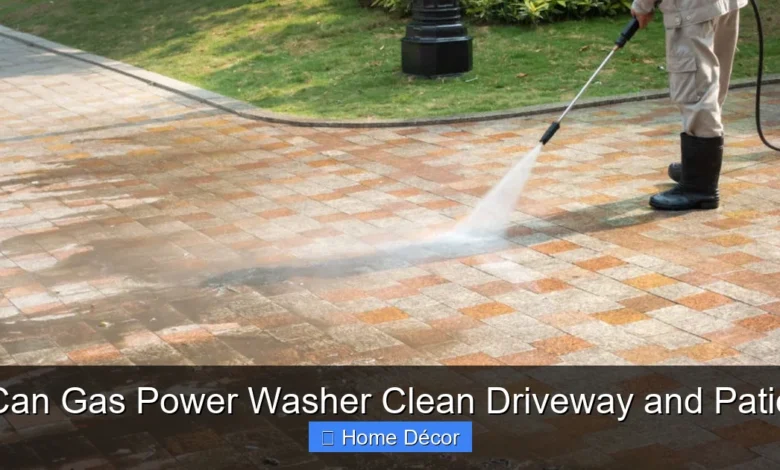
Yes, a gas power washer is an excellent tool for cleaning driveways and patios, effectively tackling tough grime, oil stains, mold, and mildew. This guide provides a step-by-step approach to safely and efficiently use your gas power washer for these tasks, ensuring a refreshed outdoor living space. Learn about preparation, operation, safety tips, and maintenance to achieve brilliant results.
Can Gas Power Washer Clean Driveway and Patio
Are you staring at a driveway that’s seen better days? Perhaps your patio is looking a little dull, covered in moss and grime? If you’re considering a power washer, you’re likely wondering, “Can a gas power washer clean my driveway and patio?” The short answer is a resounding **yes**, and in many cases, it’s the best tool for the job. Gas power washers offer more power and versatility than their electric counterparts, making them incredibly effective at tackling tough outdoor cleaning challenges.
In this comprehensive guide, we’ll walk you through everything you need to know to confidently use a gas power washer to transform your driveway and patio from drab to dazzling. We’ll cover the essential preparation steps, the actual cleaning process, crucial safety precautions, and even some tips for maintaining your machine. Get ready to breathe new life into your outdoor spaces!
- Gas power washers offer superior cleaning power compared to electric models, making them ideal for heavily soiled driveways and patios.
- Proper preparation is crucial, involving clearing the area, protecting surrounding plants, and checking for any damage to the surfaces.
- Selecting the right nozzle is vital for effective and safe cleaning, with wider angles for general cleaning and narrower angles for stubborn stains.
- Using the correct pressure and technique prevents surface damage, so always start with a lower pressure and work your way up if needed.
- Safety is paramount when operating a gas power washer, requiring the use of protective gear and awareness of the machine’s powerful spray.
- Regular maintenance ensures your gas power washer remains in good working condition and performs optimally for future cleaning projects.
Understanding Gas Power Washers and Your Surfaces
Before we dive into the “how-to,” it’s important to understand why gas power washers are so effective and what surfaces they can safely clean.
The Power of Gas
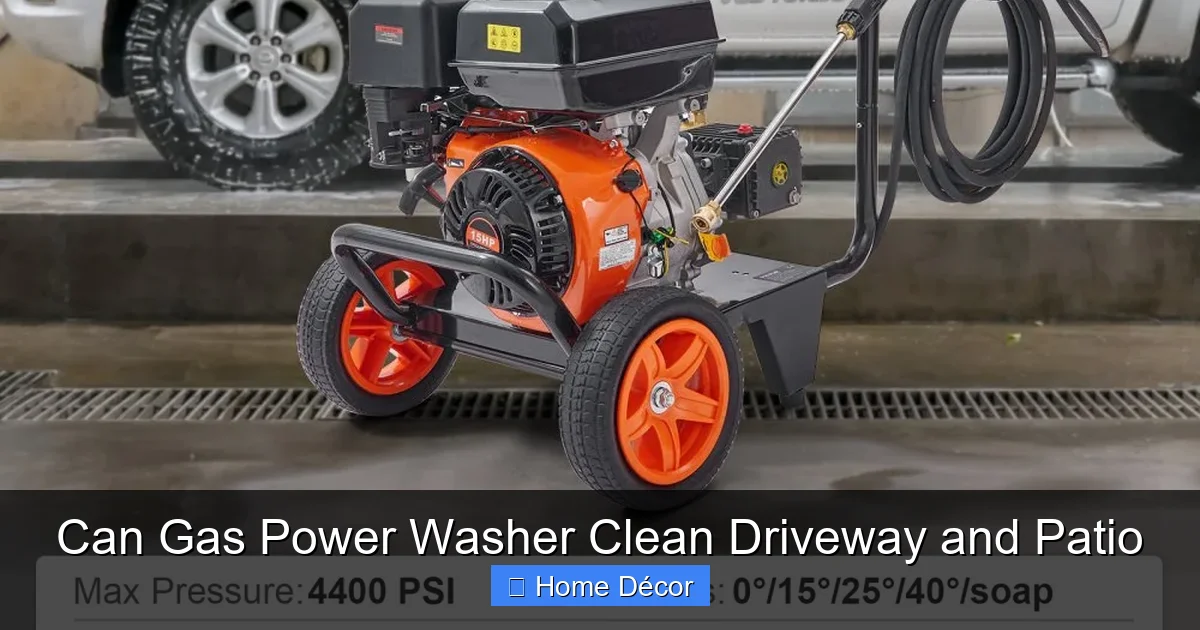
Gas-powered pressure washers are typically more powerful than electric models. This means they deliver higher water pressure (measured in PSI – pounds per square inch) and a greater water flow rate (measured in GPM – gallons per minute). This increased power is what allows them to blast away stubborn dirt, oil stains, mold, mildew, algae, and other unsightly buildup that can accumulate on driveways and patios over time.
Driveway and Patio Materials
The materials of your driveway and patio will influence how you approach the cleaning process.
* Concrete: This is a common and durable material. Most concrete driveways and patios can handle the pressure from a gas power washer, but older or cracked concrete might be more susceptible to damage.
* Pavers/Interlocking Bricks: These can be cleaned effectively, but be mindful of the sand that seals the gaps. Excessive pressure can dislodge this sand, leading to shifting pavers.
* Asphalt: Asphalt is more sensitive to high pressure. While it can be cleaned, you’ll need to use lower pressure settings and a wider nozzle to avoid damaging the surface.
* Wood/Decking: Wooden decks require a gentler approach. High pressure can splinter the wood, causing permanent damage. Always use a low-pressure setting and a wider nozzle. If you have a stained or sealed deck, it’s even more crucial to be cautious.
* Stone/Brick: Natural stone and brick can be cleaned, but be aware of the mortar holding them together. High pressure can erode mortar over time.
Preparing Your Workspace
Effective preparation is key to a successful and safe power washing session. It not only ensures you get the best results but also protects your property and yourself.
Clearing the Area
Remove All Items
Before you even think about starting the power washer, clear the entire area. Remove all furniture, planters, grills, toys, and any other items from your driveway and patio. This gives you a clear workspace and prevents water or cleaning solutions from pooling around your belongings.
Visual guide about Can Gas Power Washer Clean Driveway and Patio
Image source: img.vevorstatic.com
Visual guide about Can Gas Power Washer Clean Driveway and Patio
Image source: lirp-cdn.multiscreensite.com
Sweep Away Debris
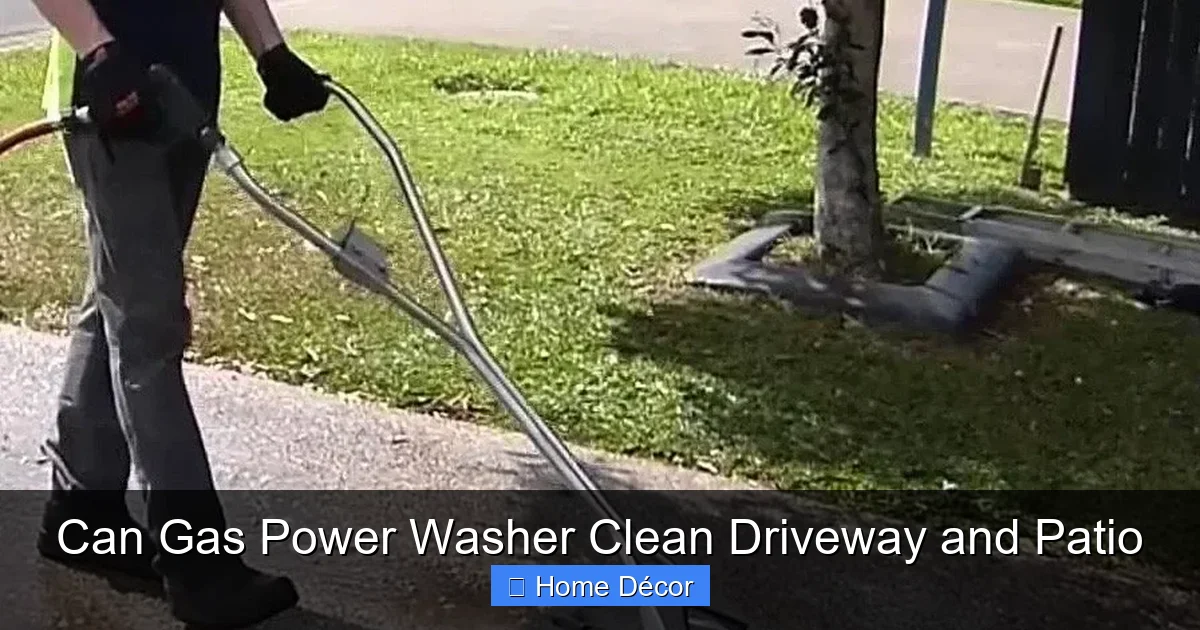
Use a stiff broom to sweep away loose debris like leaves, twigs, and dirt. This removes anything that could clog your power washer’s intake or be blown around during the cleaning process.
Protecting Your Property
Cover Nearby Plants
Plants, shrubs, and flowers are sensitive to high-pressure water and cleaning detergents. Cover them with plastic sheeting or tarps to protect them from damage. Secure the coverings so they don’t blow away.
Visual guide about Can Gas Power Washer Clean Driveway and Patio
Image source: storables.com
Shield Windows and Doors
If your driveway or patio is close to house windows or doors, consider covering them as well, especially if they are not well-sealed. High-pressure water can sometimes find its way into small gaps.
Address Drainage
Ensure that water has a clear path to drain away. You don’t want water pooling and creating a mess or potentially seeping into areas where it shouldn’t.
Inspecting Surfaces
Check for Cracks and Damage
Before you begin, inspect your driveway and patio for any existing cracks, loose stones, or damaged areas. High pressure can exacerbate these issues. If you find significant damage, it might be best to repair it before power washing or use extreme caution.
Setting Up Your Gas Power Washer
This is where the magic starts, but it’s crucial to do it correctly.
Connecting the Water Source
Attach the Garden Hose
Connect a sturdy garden hose to the water inlet on your power washer. Ensure the connection is secure to prevent leaks. The hose should be long enough to comfortably reach your entire cleaning area.
Turn On the Water
Before starting the engine, turn on the water supply at the spigot. Let the water run through the hose and the pump for about 30-60 seconds. This purges any air from the system and prevents the pump from overheating.
Choosing the Right Nozzle
Nozzles are critical for controlling the spray pattern and intensity. They are usually color-coded.
* Red (0 degrees): A very narrow, high-impact stream. Use with extreme caution, as it can easily damage surfaces. Generally not recommended for driveways or patios unless you’re targeting a very specific, tough stain on a robust surface, and even then, use with extreme care.
* Yellow (15 degrees): A more concentrated spray. Good for stubborn stains on hard surfaces but still requires care.
* Green (25 degrees): A good all-around nozzle for general cleaning of driveways and patios. Offers a good balance of power and coverage.
* White (40 degrees): A wider fan spray. Ideal for general cleaning of larger areas, rinsing, and for more delicate surfaces like wood or painted surfaces. This is often a safe starting point.
* Black (Soap Nozzle): A low-pressure nozzle used for applying detergent.
Tip: For most driveway and patio cleaning, start with the white (40-degree) or green (25-degree) nozzle. You can always switch to a narrower nozzle if needed, but it’s safer to start with a wider one.
Adding Detergent (Optional but Recommended)
Many gas power washers have a detergent tank or a siphon hose.
Using the Detergent System
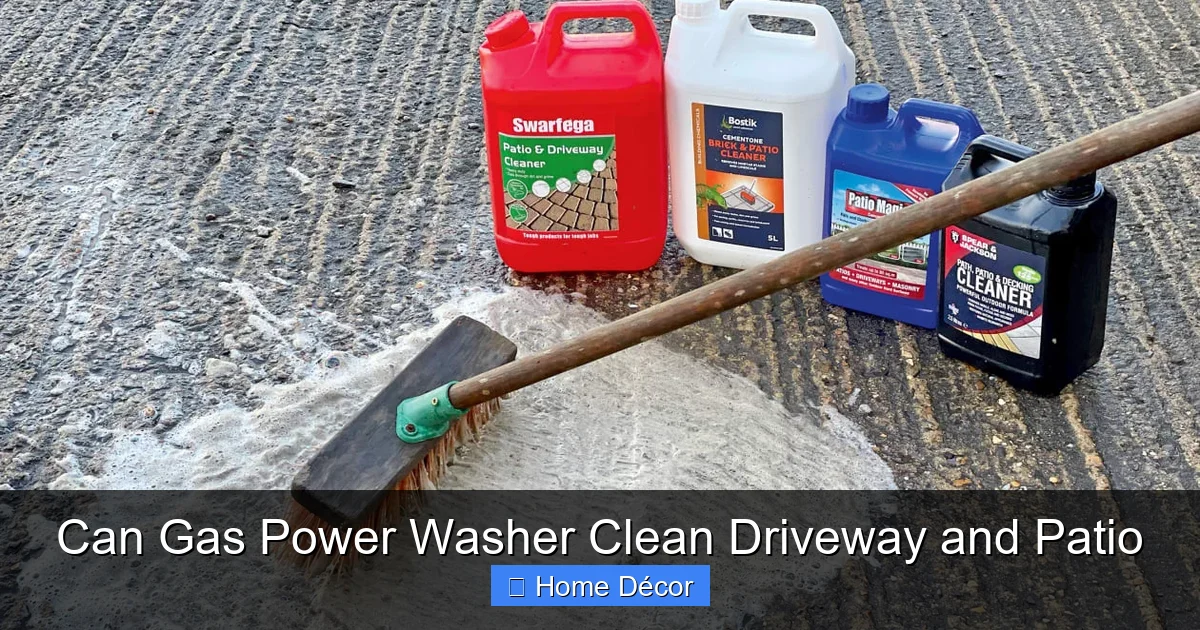
If your power washer has a detergent tank, fill it with a cleaner specifically designed for pressure washers and outdoor surfaces. If it has a siphon hose, place the end of the hose into your bucket of detergent.
Applying Detergent
Attach the black soap nozzle or ensure your machine is set to draw detergent. Apply the detergent to the dry surface you intend to clean. Let it sit for a few minutes (check the detergent’s instructions) to break down grime, but don’t let it dry.
Starting the Gas Engine
Follow Manufacturer Instructions
Each gas power washer is slightly different. Always refer to your owner’s manual for specific starting instructions. Generally, you’ll need to:
- Ensure the fuel tank is filled with fresh gasoline.
- Turn the fuel valve to the ‘ON’ position.
- Turn the choke to the ‘START’ or ‘CHOKE’ position.
- Turn the engine switch to the ‘ON’ position.
- Gently pull the recoil starter rope until you feel resistance, then give it a strong, steady pull.
- Once the engine starts, gradually move the choke to the ‘RUN’ position.
Cleaning Your Driveway and Patio: Step-by-Step
Now that your power washer is set up and ready to go, it’s time for the main event.
Step 1: Test a Small Area
Find an Inconspicuous Spot
Before cleaning the whole area, test your chosen nozzle and pressure on a small, less visible section of your driveway or patio. This will help you gauge the effectiveness and ensure you’re not causing any damage.
Step 2: Apply Detergent (If Using)
Low-Pressure Application
If you’re using detergent, now is the time to apply it. Use your power washer on a low-pressure setting or with the black soap nozzle to evenly distribute the cleaner over the surface. Work in sections, avoiding letting the detergent dry.
Step 3: The Main Wash
Maintain a Consistent Distance
Hold the spray wand at a consistent distance from the surface, typically about 12-18 inches. Too close, and you risk damage; too far, and the cleaning power is reduced.
Use Sweeping Motions
Employ smooth, overlapping, sweeping motions. Move the wand back and forth in a consistent direction. Work in manageable sections.
Overlap Your Strokes
Ensure each stroke overlaps the previous one slightly. This prevents streaking and ensures uniform cleaning.
Work from Top to Bottom
If you’re cleaning a sloped driveway or a patio with different levels, start at the highest point and work your way down. This allows the dirty water to flow away from the cleaner areas.
Step 4: Rinsing
Switch to a Wider Nozzle
Once you’ve finished washing a section (or the entire area), switch to a wider nozzle, like the white (40-degree) one. This is for rinsing.
Rinse Thoroughly
Rinse the detergent and loosened grime away completely. Again, use sweeping motions and ensure all soap residue is gone. Incomplete rinsing can leave streaks or attract more dirt.
Step 5: Tackling Stubborn Stains
Targeted Approach
For tough stains like oil, grease, or rust, you might need a more targeted approach. You can try using a narrower nozzle (like yellow or green) from a slightly greater distance, or you might use a specialized concrete cleaner and a stiff brush in conjunction with the power washer.
Degreasers
Oil and grease stains on driveways can be particularly challenging. Apply a concrete degreaser directly to the stain, let it soak according to the product’s instructions, then use your power washer to blast it away. You may need multiple applications.
Step 6: Final Inspection and Drying
Check Your Work
Once everything is rinsed, walk around and inspect your driveway and patio. Make sure all the dirt and stains are gone and that there are no streaks.
Allow to Dry
Let the surfaces air dry completely. This is also a good time to check if any pavers have become dislodged or if any areas need minor repairs.
Safety First: Essential Precautions
Gas power washers are powerful machines and should be treated with respect. Safety should always be your top priority.
Wear Protective Gear
- Eye Protection: Always wear safety glasses or goggles to protect your eyes from debris and spray.
- Hearing Protection: Gas engines can be loud. Earplugs or earmuffs are recommended.
- Footwear: Wear sturdy, closed-toe, non-slip shoes.
- Clothing: Wear long pants and sleeves to protect your skin from the high-pressure spray and any flying debris.
Be Aware of the Spray
Never point the spray wand at people, pets, or electrical outlets. The high-pressure stream can cause serious injury.
Beware of Kickback
The recoil from the spray can be significant. Maintain a firm grip on the spray wand and keep your balance.
Avoid Overheating
Never run the power washer dry without water. Always ensure the water supply is on before starting the engine. If you need to take a break, turn off the engine.
Electrical Safety
If you’re using an extension cord (though less common with gas models, some accessories might require it), ensure it’s rated for outdoor use and in good condition.
Be Mindful of Surroundings
Keep children and pets away from the work area while you are operating the power washer.
Troubleshooting Common Issues
Even with the best intentions, you might run into a few hiccups.
Low Pressure
- Check Water Supply: Ensure the water spigot is fully open and the hose is not kinked.
- Clogged Nozzle or Filter: Inspect the nozzle and the water filter for debris.
- Engine RPMs Too Low: Make sure the engine is running at the correct speed as per the manual.
- Air in the System: Rerun the pump with the water turned on but the engine off for a minute to purge air.
Engine Won’t Start
- Fuel Level: Is there enough gasoline? Is it fresh?
- Choke Position: Is the choke set correctly for starting?
- Spark Plug: Check if the spark plug is fouled or disconnected.
- Fuel Valve: Is the fuel valve open?
Leaks
- Hose Connections: Ensure all hose connections are tight.
- O-Rings: Check any O-rings on hoses or wands for damage or wear.
Maintaining Your Gas Power Washer
Proper maintenance will extend the life of your power washer and ensure it performs well for years to come.
After Each Use
- Flush the System: Run clean water through the pump for a few minutes to flush out any detergent or debris.
- Clean the Filter: Remove and clean the water inlet filter.
- Wipe Down: Wipe down the exterior of the machine to remove dirt and grime.
- Store Properly: Store the power washer in a clean, dry place, protected from the elements.
Before Storage (Seasonal)
- Fuel Stabilization: Use a fuel stabilizer if you plan to store the machine for an extended period. This prevents fuel from degrading.
- Drain Fuel: Some manufacturers recommend draining the fuel tank completely for long-term storage.
- Pump Saver: Use a pump saver solution to prevent the pump from freezing or corroding during cold weather storage.
- Change Oil: Consider changing the engine oil according to the manufacturer’s recommendations.
Conclusion
So, can a gas power washer clean your driveway and patio? Absolutely! With its robust power, a gas power washer is a highly effective tool for restoring the beauty and cleanliness of your outdoor living spaces. By following the preparation steps, using the correct techniques, prioritizing safety, and performing regular maintenance, you can achieve professional-looking results and significantly enhance your home’s curb appeal.
Say goodbye to stubborn stains, dirt, and grime, and hello to a fresh, inviting driveway and patio. Your outdoor oasis awaits!