How to Get Rid of Rust in Electric Kettle
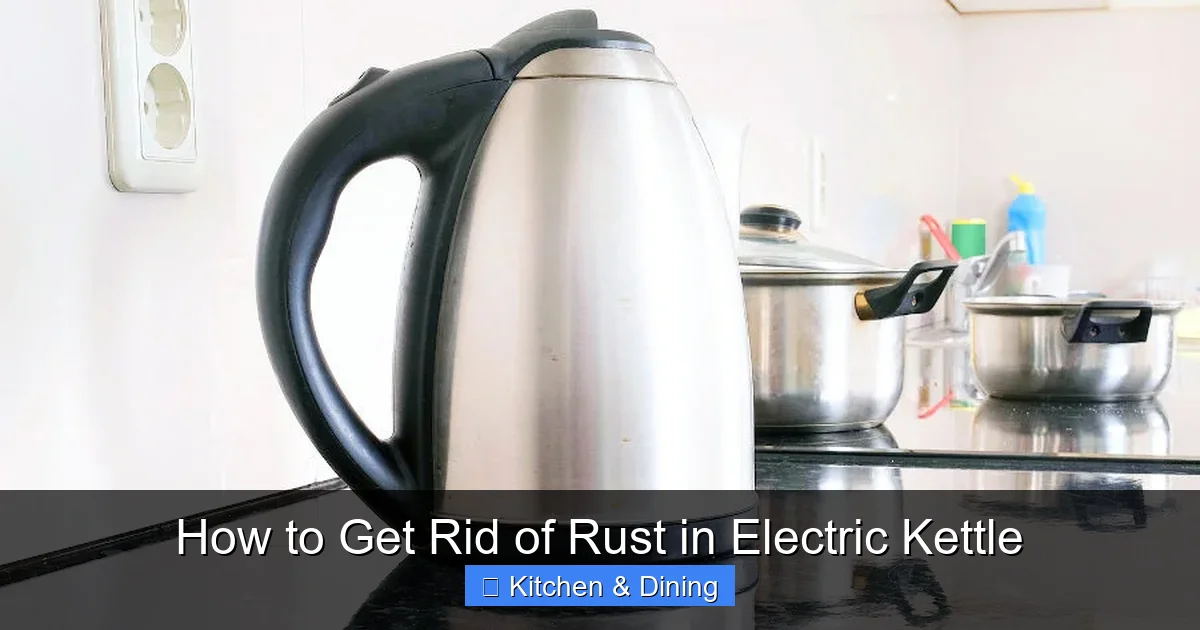
Is rust appearing in your electric kettle? Don’t worry! This comprehensive guide will show you easy and safe methods to get rid of rust, ensuring your kettle is clean and ready for brewing. We cover natural solutions like vinegar and lemon juice, as well as gentle scrubbing techniques, so you can restore your kettle’s sparkle.
How to Get Rid of Rust in Electric Kettle
Your electric kettle is a trusty companion for your morning coffee, afternoon tea, or any warm beverage craving. But over time, you might notice unsightly rust spots appearing on its interior. This is a common problem, especially if your water has high mineral content or if the kettle isn’t dried properly after each use.
Don’t despair! Rust in an electric kettle doesn’t mean it’s time to replace it. With a few simple household ingredients and a bit of elbow grease, you can effectively get rid of rust and restore your kettle to its former gleaming glory. This guide will walk you through safe, easy, and eco-friendly methods to tackle rust in your electric kettle. We’ll cover everything from natural acidic solutions to gentle scrubbing techniques, ensuring you can enjoy clean, pure water for your drinks.
- Natural Cleaning Power: Acids like vinegar and lemon juice are excellent for dissolving rust on your electric kettle without harsh chemicals.
- Gentle Scrubbing is Key: Use non-abrasive tools like soft cloths or sponges to avoid scratching the kettle’s interior.
- Vinegar Method: A simple solution of vinegar and water can effectively break down rust when left to soak.
- Lemon Juice Solution: Similar to vinegar, lemon juice provides a natural acidic clean for rust removal.
- Baking Soda Paste: For tougher spots, a paste of baking soda and water can offer a slightly more abrasive, yet still gentle, cleaning action.
- Regular Maintenance Prevents Rust: Proper cleaning and drying after each use can significantly reduce the chances of rust forming.
- Safety First: Always ensure the kettle is unplugged and completely cool before attempting any cleaning.
Why Does Rust Form in Electric Kettles?
Before we dive into the solutions, let’s understand why rust appears in the first place. The most common culprit is the mineral content in your tap water. Hard water, in particular, contains dissolved minerals like iron and calcium. When water is heated and then evaporates, these minerals can leave behind deposits. Over time, iron deposits can oxidize, leading to rust.
Other factors include:
- Scratches or Damage: Small nicks or scratches on the kettle’s interior can expose the metal beneath any protective coating, making it more susceptible to rust.
- Detergents and Soaps: Using harsh detergents or leaving soap residue inside the kettle can also contribute to corrosion.
- Infrequent Cleaning: Allowing mineral deposits to build up without regular cleaning is a sure way to encourage rust.
- Material of the Kettle: While many modern kettles have stainless steel interiors, some older or lower-quality models might use materials more prone to rusting.
Understanding these causes can also help you in preventing rust from forming in the future. For instance, if you have particularly hard water, you might consider using filtered water for your kettle.
Preparing Your Kettle for Cleaning
Safety is paramount when dealing with any electrical appliance, even when cleaning. Always follow these essential preparation steps:
Unplug and Cool Down
Crucial Step: Before you even think about reaching for a cleaning agent, make sure your electric kettle is unplugged from the power outlet. Also, ensure the kettle is completely cool to the touch. Attempting to clean a hot kettle can lead to burns or damage to the appliance.
Empty the Kettle
Pour out any remaining water. If there are loose rust flakes, try to rinse them out as best as possible before starting the cleaning process. You can give it a quick rinse with plain water.
Gather Your Cleaning Supplies
Having everything ready will make the process smoother. Most of the effective rust-removing agents are common household items. You’ll likely need:
- White vinegar
- Lemon juice (fresh or bottled)
- Baking soda
- Water
- Soft sponge or cloth
- Non-abrasive brush (optional, for stubborn spots)
Natural Solutions for Rust Removal
The best way to tackle rust in your electric kettle is by using natural, acidic ingredients. These acids work by dissolving the rust (iron oxide) without damaging the kettle’s material.
The Vinegar Method
White vinegar is a powerhouse for cleaning and descaling, and it’s highly effective against rust.
Step 1: Create the Vinegar Solution
Fill your kettle with a mixture of equal parts white vinegar and water. For a standard-sized kettle, this might be about 1-2 cups of vinegar and 1-2 cups of water. Ensure the solution covers all the rusted areas. If the rust is only in a specific spot, you can adjust the water level accordingly.
Step 2: Let it Soak
Plug in your kettle and bring the vinegar-water solution to a boil. Once it boils, turn off the kettle and let the solution sit inside for at least 1-2 hours. For very stubborn rust, you can leave it overnight.
Step 3: Scrub and Rinse
After soaking, carefully empty the kettle. You should see that the rust has loosened significantly. Use a soft sponge or cloth to gently scrub away any remaining rust. For hard-to-reach areas, a non-abrasive brush can be used, but be gentle to avoid scratching. Rinse the kettle thoroughly with clean water multiple times to remove all traces of vinegar. You may need to boil and discard a kettleful of plain water to ensure no vinegar smell or taste remains.
The Lemon Juice Method
Lemon juice, with its citric acid content, offers a similar acidic cleaning action to vinegar. This is a great option if you prefer a more pleasant scent.
Step 1: Prepare the Lemon Mixture
Fill your kettle with water, leaving enough room at the top. Squeeze the juice of 1-2 fresh lemons into the water. Alternatively, you can use about 1/2 cup of bottled lemon juice. Ensure the rusted areas are submerged.
Step 2: Boil and Soak
Turn on the kettle and bring the lemon water mixture to a boil. Once boiling, switch it off and let it stand for at least 1-2 hours, or longer for tougher rust. Like with vinegar, leaving it overnight is an option for significant rust build-up.
Step 3: Clean and Rinse
Empty the kettle. Use a soft cloth or sponge to gently wipe away the loosened rust. Rinse the kettle thoroughly with fresh water. To eliminate any lingering lemon scent, boil and discard a kettleful of plain water.
The Baking Soda Paste Method (For Stubborn Spots)
While vinegar and lemon juice are excellent for general rust removal, baking soda can be helpful for targeted scrubbing of stubborn rust spots due to its mild abrasive quality.
Step 1: Make a Baking Soda Paste
In a small bowl, mix baking soda with a small amount of water to form a thick paste. You want a consistency similar to toothpaste.
Step 3: Apply and Scrub
With your kettle unplugged and cool, apply the baking soda paste directly onto the rust spots. Let it sit for about 15-30 minutes. Then, use a soft sponge or cloth to gently scrub the paste into the rust. The mild abrasion of the baking soda will help lift the rust particles.
Step 4: Rinse Thoroughly
Rinse the kettle with clean water until all baking soda residue is gone. You can follow this up with a vinegar or lemon juice soak and rinse if needed, to ensure all mineral deposits are cleared.
Important Considerations When Cleaning
To ensure you get the best results and keep your kettle in good condition, keep these points in mind:
Avoid Abrasive Materials
Never use steel wool, abrasive scrub pads, or harsh scouring powders. These can scratch the interior of your kettle, making it more prone to future rust and damage. Stick to soft cloths, sponges, or silicone brushes.
Rinse Thoroughly
It’s essential to rinse your kettle thoroughly after using any cleaning solution. Any lingering residue from vinegar, lemon juice, or baking soda can affect the taste of your water or even damage the kettle over time.
Boil and Discard Plain Water
After cleaning, it’s a good practice to boil a kettleful of plain water and discard it. This helps to remove any residual cleaning solution smell or taste, ensuring your next cup of tea or coffee is pure and fresh. You might need to do this 2-3 times.
Check Your Kettle’s Material
Most modern electric kettles have stainless steel interiors, which are generally rust-resistant. However, if your kettle has a different lining or is an older model, be extra cautious. Always consult your kettle’s manual for specific cleaning recommendations.
Troubleshooting Common Issues
Even with the best efforts, you might encounter a few challenges. Here’s how to handle them:
Rust Doesn’t Completely Disappear
If, after trying the vinegar or lemon juice method, some rust remains, repeat the process. For particularly stubborn patches, the baking soda paste method can be applied directly to the spots after an initial soak.
Lingering Odors
Sometimes, the smell of vinegar or lemon can linger. Boiling and discarding plain water multiple times is the best remedy. You can also try boiling a kettle filled with water and a tablespoon of baking soda, then rinsing thoroughly.
New Rust Appears Quickly
This usually indicates a recurring issue with your water supply. If you have very hard water, consider using a water filter for your kettle or for all your drinking water. You could also try to dry the inside of your kettle thoroughly after each use, especially around the heating element.
Preventing Future Rust
The best way to deal with rust is to prevent it from forming in the first place. Here are some simple preventive measures:
- Empty After Use: Always empty your kettle completely after each use. Leaving water sitting inside can lead to mineral build-up and corrosion.
- Dry the Interior: Wipe the inside of the kettle dry with a soft cloth after emptying it. Pay attention to the lid and the area around the heating element.
- Regular Descaling: Descale your kettle regularly, even if you don’t see rust. This can be done monthly or as needed, depending on your water hardness. Use the vinegar or lemon juice method for descaling.
- Use Filtered Water: If you have hard water, using filtered or distilled water can significantly reduce the mineral content and thus the risk of rust formation.
- Inspect for Damage: Periodically check the interior of your kettle for any scratches or signs of damage. Address any minor issues promptly.
By incorporating these simple habits into your routine, you can significantly extend the life of your electric kettle and keep it looking and functioning like new. For those who enjoy the ritual of brewing, maintaining your equipment is key. If you’re looking for a new kettle, consider options designed with rust-resistant materials, much like how you might look for best non-rust baking pans for your kitchen.
Conclusion
Seeing rust in your electric kettle can be frustrating, but it’s a manageable problem. By using common household items like vinegar, lemon juice, and baking soda, you can effectively and safely remove rust. Remember to always prioritize safety by unplugging the kettle and ensuring it’s cool before cleaning. Gentle scrubbing and thorough rinsing are key to success.
More importantly, adopting a regular maintenance routine, including emptying and drying the kettle after each use and descaling periodically, will help prevent rust from returning. With these tips, you can ensure your electric kettle remains a clean, reliable appliance for brewing your favorite hot beverages for years to come. Enjoy your perfectly clean kettle and a fresh cup!