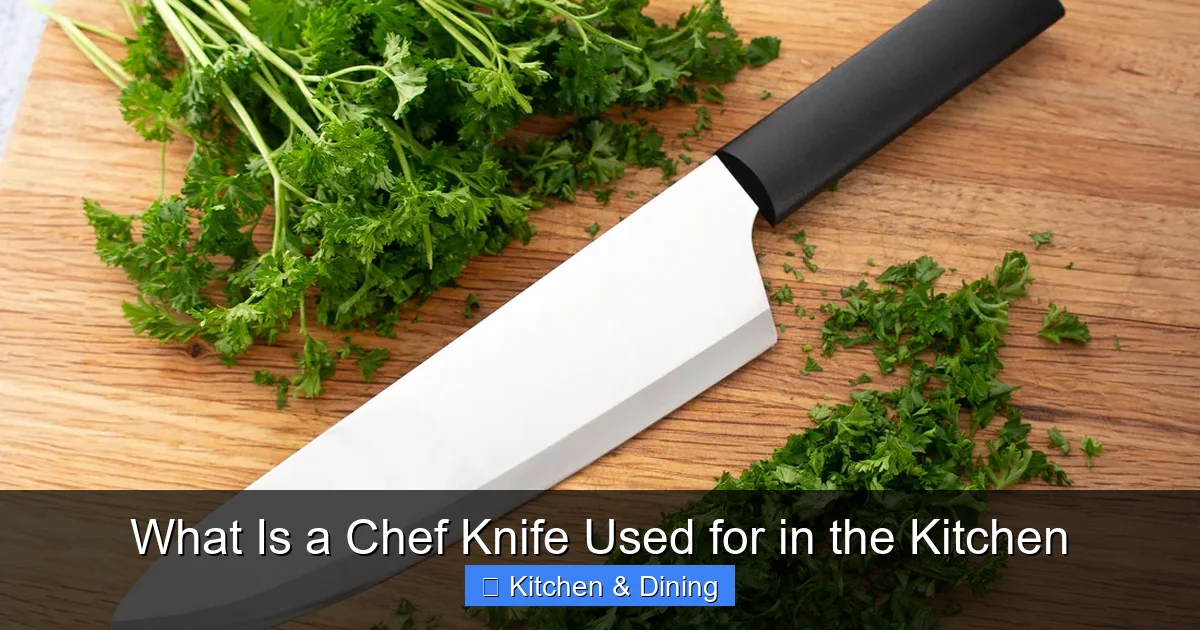
What Is a Chef Knife Used for in the Kitchen
The chef knife is the workhorse of any kitchen, essential for a wide range of food preparation tasks. Its sharp, broad blade and pointed tip allow for efficient chopping, slicing, dicing, and mincing of ingredients. From vegetables and fruits to meats and herbs, a well-maintained chef knife makes cooking quicker and more enjoyable. Investing in a quality chef knife is a game-changer for home cooks and professional chefs alike.
Key Takeaways
- The Chef Knife is the Versatile Workhorse: It’s the most frequently used knife in the kitchen, capable of handling an array of cutting tasks.
- Essential for Chopping and Slicing: Its broad blade and sharp edge are perfect for efficiently breaking down larger ingredients.
- Mastering Mincing and Dicing: The design of a chef knife makes it ideal for creating uniformly small pieces of food.
- Beyond Fruits and Vegetables: While excellent for produce, chef knives can also handle boning (with technique) and butchering smaller cuts of meat.
- Herb Preparation: It excels at finely chopping or mincing fresh herbs for garnishes and flavor.
- Proper Technique is Key: Understanding how to hold and use a chef knife safely and effectively maximizes its utility.
- Maintenance is Crucial: Regular sharpening and proper cleaning ensure your chef knife remains a reliable tool for years to come.
What Is a Chef Knife Used For in the Kitchen?
Welcome to the heart of culinary exploration! If you’ve ever wondered about the indispensable tool that seems to be in every chef’s hand, you’re in the right place. The chef knife, often referred to as a cook’s knife, is arguably the most important and versatile knife in any kitchen. It’s the primary tool for a vast majority of food preparation tasks. From a home cook preparing a weeknight dinner to a professional chef crafting a gourmet meal, the chef knife is the unsung hero.
This guide will demystify the chef knife, explaining its design, its many uses, and how to wield it effectively. By the end of this article, you’ll have a comprehensive understanding of why this knife is so essential and how it can transform your cooking experience. We’ll cover everything from the basic chopping and slicing it performs so well, to more nuanced tasks like mincing and even some light butchery.
Understanding the Chef Knife’s Design
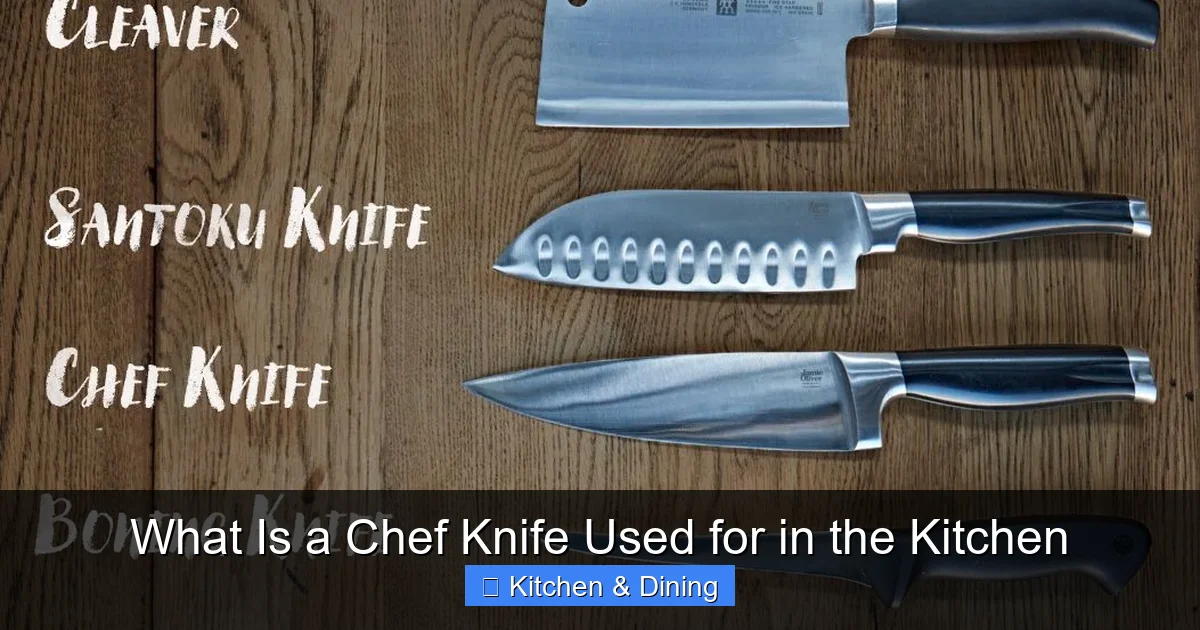
Before we dive into its uses, let’s quickly look at what makes a chef knife so effective. A typical chef knife has a broad, tapering blade that is usually between 6 and 12 inches long, with 8 inches being the most common size.
*
The Blade: The blade curves upward towards the tip. This curve is crucial for the “rocking” motion used in chopping and mincing. The weight and balance of the blade are designed to make cutting feel effortless.
*
The Handle: The handle should be comfortable to grip and provide good control. A secure grip is paramount for safety and precision.
*
The Heel: The part of the blade closest to the handle is called the heel. It’s often the widest part of the blade and is used for tougher tasks.
*
The Tip: The pointed end of the blade is used for more delicate tasks and precision cutting.
Now that we understand its anatomy, let’s explore what this amazing tool can do!
The Chef Knife’s Primary Functions: Chopping and Slicing
The most common uses for a chef knife revolve around chopping and slicing. These are fundamental techniques in food preparation, and the chef knife excels at both.
Chopping Large Ingredients
When you have larger ingredients like whole vegetables, fruits, or even large cuts of meat, the chef knife is your go-to. Its substantial blade can power through these items efficiently.
*
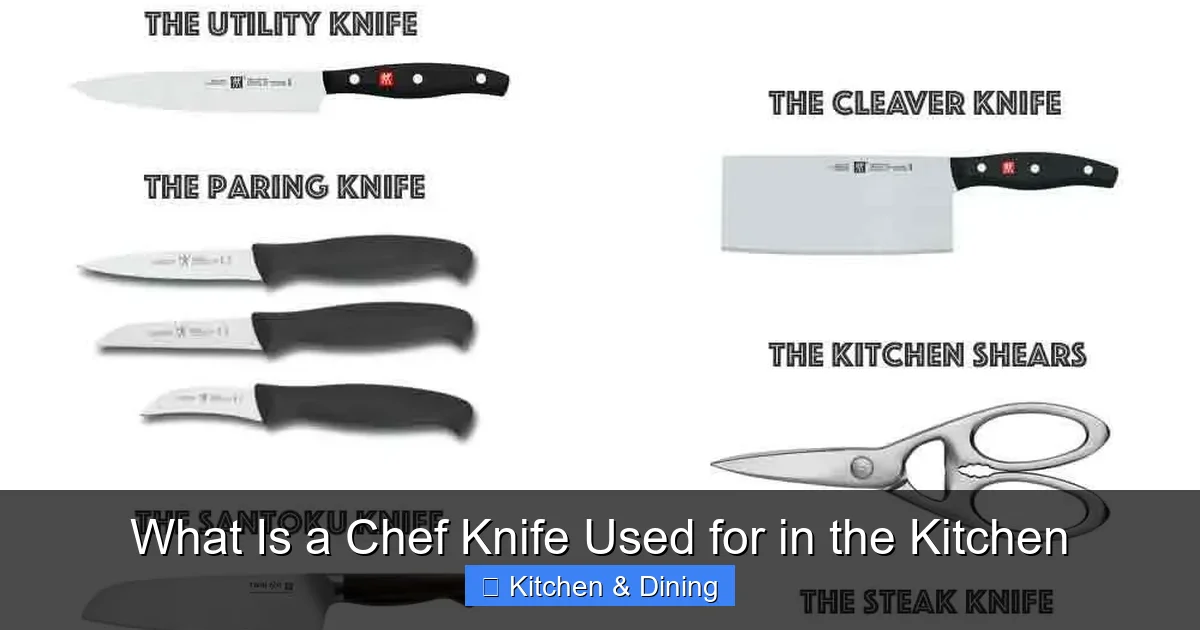
Vegetables: Think about chopping large onions, bell peppers, cabbages, or squashes. The broad blade makes it easy to create uniform pieces for stir-fries, salads, or stews.
Visual guide about What Is a Chef Knife Used for in the Kitchen
Image source: cdn.shouldit.com
*
Fruits: Cubing melons, slicing pineapples, or quartering apples are all simple tasks for a chef knife.
*
Meat: While a specialized butcher knife might be preferred for heavy-duty butchery, a chef knife is perfect for breaking down poultry, trimming larger cuts of meat, or slicing cooked meats.
Slicing with Precision
Slicing involves cutting food into thinner, uniform pieces. The length and sharp edge of a chef knife allow for long, smooth strokes.
*
Roasts: Slicing a cooked roast beef or pork loin becomes much easier with the clean, even cuts a chef knife can produce.
*
Bread: While a dedicated serrated bread knife is ideal for sourdough, a sharp chef knife can handle most loaves, especially softer breads.
*
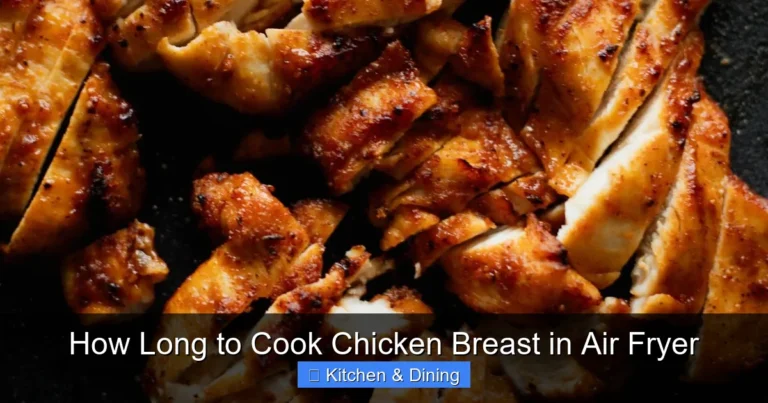
Meats for Cooking: Slicing chicken breasts or steak for fajitas or stir-fries is a breeze. A chef knife allows you to control the thickness of your slices precisely.
Mastering Mincing and Dicing with a Chef Knife
Beyond simple chopping, the chef knife is essential for mincing and dicing, which involves breaking down ingredients into very small, uniform pieces. This is crucial for building flavor in sauces, sautés, and many other dishes.
Mincing Aromatics
Mincing is about reducing food to tiny pieces. This is where the curved blade of a chef knife really shines.
*
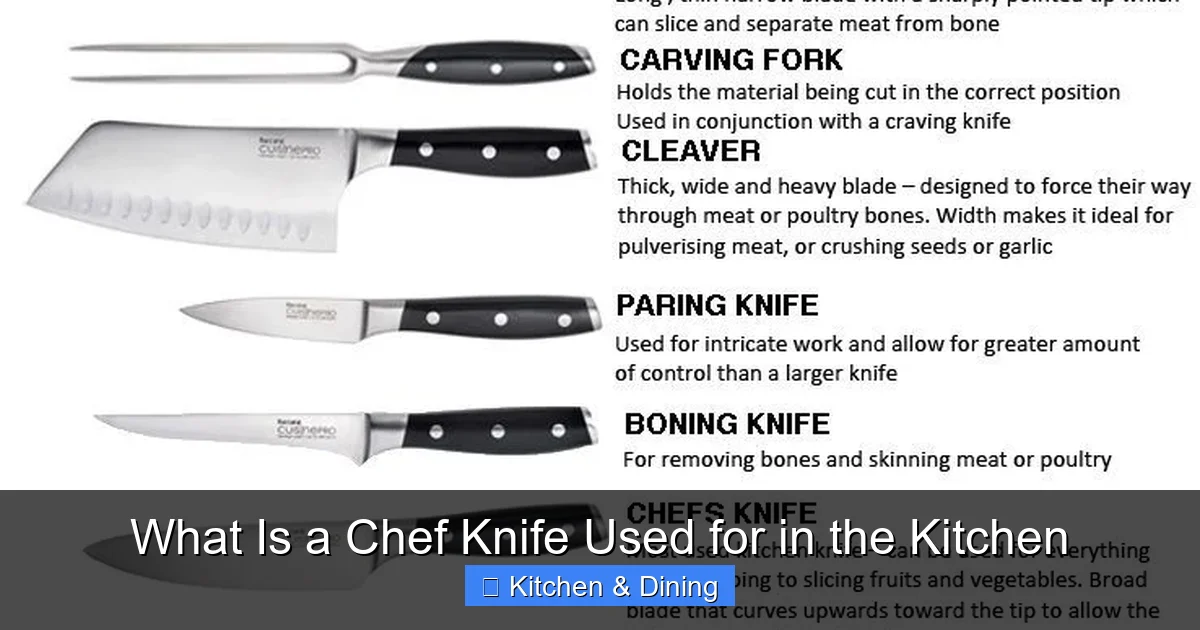
Garlic and Onions: Mincing garlic and onions is a fundamental cooking skill. The rocking motion allows you to quickly mince these ingredients into a fine paste or very small particles, perfect for sautéing or adding to marinades.
Visual guide about What Is a Chef Knife Used for in the Kitchen
Image source: i.pinimg.com
*
Ginger: Fresh ginger can be challenging to mince, but a sharp chef knife makes it manageable.
Dicing for Uniformity
Dicing involves cutting food into small, cube-shaped pieces. This requires precision and consistency, which a chef knife can help achieve.
*
Vegetables for Mirepoix: Dicing onions, carrots, and celery into uniform small cubes is essential for creating a flavor base (mirepoix) for soups, stews, and sauces. The chef knife allows for consistent sizing, ensuring even cooking.
*
Fruits for Salads or Garnish: Dicing fruits like apples, pears, or mangoes for fruit salads or garnishes is also a common use.
Beyond the Basics: Other Uses for Your Chef Knife
The chef knife’s versatility extends beyond these core tasks. With a little practice and care, it can be used for a variety of other kitchen jobs.
Handling Herbs
Fresh herbs are a fantastic way to elevate any dish. The chef knife is perfect for preparing them.
*
Chopping and Mincing: Finely chopping or mincing fresh herbs like parsley, cilantro, basil, or chives releases their essential oils and intensifies their flavor. The rocking motion of the chef knife is ideal for this delicate task.
Visual guide about What Is a Chef Knife Used for in the Kitchen
Image source: i.pinimg.com
*
Preparing Bunches: You can easily gather a bunch of herbs and slice through them for a quick chop.
Light Butchery and Deboning
While not a boning knife, a chef knife can be used for some light butchery tasks, especially if it has a slightly more flexible blade or a thinner profile.
*
Poultry: You can spatchcock a chicken or break down a whole chicken into pieces using a chef knife. The tip can be used to navigate around bones.
*
Trimming Meat: Removing excess fat or sinew from cuts of meat is well within the capabilities of a chef knife.
*
Boning (with caution): If you’re careful, you can use the tip of a chef knife to help separate meat from bones, although a dedicated boning knife offers more control and safety for this specific task. If you often find yourself dealing with bones, consider investing in a best boning knife for chicken or a general best boning knife.
Crushing Garlic
Sometimes, you need to crush garlic before mincing it. The flat side of the chef knife blade is perfect for this.
*
Technique: Place a clove of garlic on your cutting board. Lay the flat side of your chef knife blade over the garlic clove. With the palm of your hand, press down firmly on the blade. The garlic will flatten, making it easier to mince.
How to Use a Chef Knife Effectively: Technique Matters
To truly appreciate what a chef knife is used for, you need to understand how to use it. Proper technique not only makes cutting easier but also safer.
The Grip
There are a couple of common grips:
*
The Pinch Grip: This is the most recommended grip for control. Pinch the base of the blade between your thumb and index finger. Your other fingers should wrap around the handle.
*
The Handle Grip: For less precision, some people grip the handle entirely. While functional, it offers less control and can lead to fatigue.
The Cutting Motion
The cutting motion depends on the task:
*
Chopping: For tougher ingredients or when making large cuts, use a forward-and-down motion, pivoting on the tip of the blade.
*
Slicing: For slicing, use a smooth, drawing or pushing motion. For meats, slicing against the grain is often preferred.
*
Mincing: This is where the rocking motion comes in. Keep the tip of the knife on the cutting board and rock the blade back and forth, lifting and lowering the heel of the blade to chop the food repeatedly until it’s finely minced.
Maintaining Your Chef Knife: The Key to Longevity
A chef knife is an investment. To ensure it performs at its best and lasts for years, proper maintenance is crucial.
Sharpening
A dull knife is more dangerous than a sharp one because it requires more force, increasing the risk of slipping.
*
Regular Honing: Use a honing steel regularly to realign the blade’s edge. This isn’t sharpening but rather maintaining the edge between sharpenings.
*
Sharpening: Sharpen your knife periodically using a whetstone, a manual sharpener, or an electric sharpener. Consider an electric knife sharpener for kitchen knives if you prefer convenience.
Cleaning
*
Hand Wash Only: Never put your chef knife in the dishwasher. The high heat and harsh detergents can damage the blade and handle.
*
Wash Promptly: Wash your knife with warm, soapy water immediately after use and dry it thoroughly with a soft cloth.
Storage
*
Knife Block or Magnetic Strip: Store your chef knife in a knife block or on a magnetic strip to protect the blade from damage and prevent accidental cuts.
*
Knife Guard: If you must store it in a drawer, use a blade guard.
When Might You Need a Different Knife?
While the chef knife is incredibly versatile, there are times when a specialized knife might be more appropriate or even necessary.
*
Breading and Pastry: A best bread knife is designed with serrations to cut through crusty bread without crushing it. A palette knife for cake decorating is for spreading frosting.
*
Filleting Fish: A flexible fillet knife is essential for cleanly separating fish flesh from bones. For specific needs, look into a best fillet knife for saltwater fish or a best Japanese knife for filleting fish.
*
Peeling and Trimming Small Items: A small paring knife is much more maneuverable for peeling fruits, removing blemishes, or creating intricate garnishes. Check out the best paring knife or the best ceramic paring knife.
*
Slicing Cheese: While a chef knife can slice cheese, a knife designed for cheese offers better grip and prevents sticking. You can find the best knife for slicing cheese.
*
Heavy-Duty Boning: For tougher meats and more extensive deboning, a dedicated boning knife is superior.
*
When You Need a Set: For a comprehensive collection of kitchen tools, consider a best knife set for kitchen, perhaps a best American made kitchen knife set or a best Japanese kitchen knife set, often available in a best kitchen knife block set.
Conclusion
The chef knife is more than just a tool; it’s an extension of the cook’s hand. Its design and versatility make it indispensable for a multitude of tasks in the kitchen. From the rough work of chopping bulky vegetables to the delicate precision of mincing herbs, the chef knife handles it all with grace and efficiency. By understanding its purpose, practicing proper technique, and committing to its maintenance, you unlock a world of culinary possibilities. Investing in a quality chef knife and learning to use it proficiently will undoubtedly elevate your cooking and bring greater joy to your time in the kitchen. So, grab your chef knife, sharpen it well, and get ready to chop, slice, dice, and mince your way to delicious creations!