
What Is a Paring Knife Used for in the Kitchen
A paring knife is a small, versatile kitchen tool, perfect for precise tasks. Its sharp blade and comfortable handle make it ideal for peeling, coring, mincing small ingredients, and detailed garnishes. Understanding its uses can significantly elevate your cooking. This guide explores the many functions of a paring knife, helping you master delicate kitchen preparations.
Are you wondering what a paring knife is used for in the kitchen? You’ve come to the right place! This small but mighty tool is often overlooked, but it’s a true workhorse for a variety of kitchen tasks that require precision and control. Many home cooks might reach for their larger chef’s knife for everything, but a paring knife offers a level of detail and maneuverability that makes certain jobs much easier and more efficient.
In this comprehensive guide, we’ll dive deep into the many uses of a paring knife. You’ll learn why this knife is essential for peeling, trimming, mincing small ingredients, coring, deveining, and even creating beautiful garnishes. By the end of this guide, you’ll understand how to wield your paring knife with confidence and add a new level of finesse to your culinary creations.
Key Takeaways
- Compact Size and Precision: The small blade and handle of a paring knife offer superior control for detailed work, unlike larger chef’s knives.
- Peeling and Trimming: It excels at removing skins from fruits and vegetables, as well as trimming away unwanted bits like bruises or stems.
- Mincing Small Ingredients: For items like garlic, shallots, or small herbs, the paring knife allows for fine, precise mincing.
- Coring and Deveining: Its sharp tip is perfect for easily coring fruits like apples or strawberries and deveining shrimp.
- Garnishes and Decorative Cuts: A paring knife is your go-to for creating intricate garnishes and decorative edges on food items.
- Versatility in Small Tasks: Beyond these core uses, it’s handy for hulling, segmenting citrus, and even opening packages.
- Essential Kitchen Companion: Every kitchen benefits from a good paring knife; it’s often considered an indispensable tool for everyday cooking.
Understanding the Paring Knife
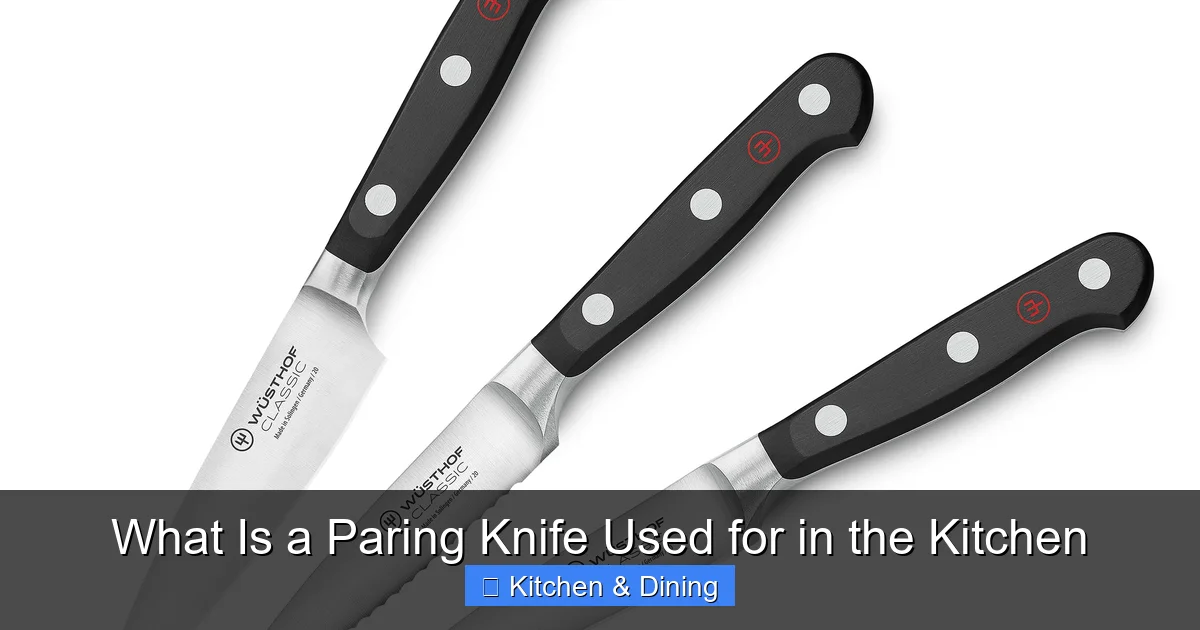
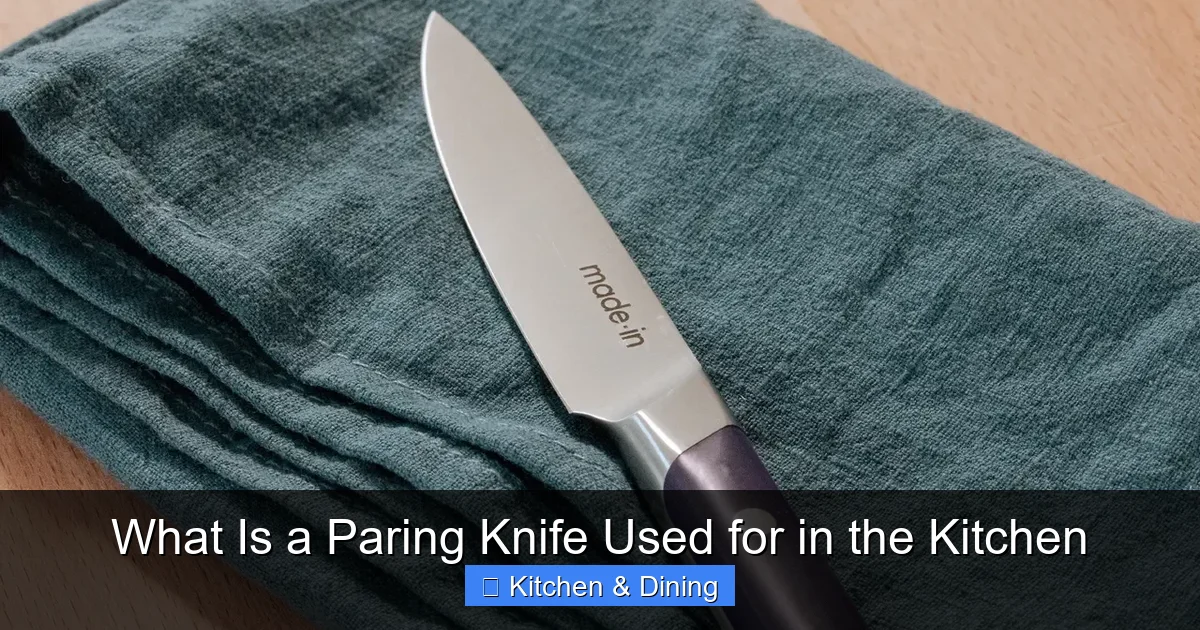
Before we explore its uses, let’s briefly touch upon what makes a paring knife so special. Typically, a paring knife has a blade length of 2 to 4 inches. This short blade, combined with a relatively short handle, gives the user excellent control. This is crucial for intricate tasks where a large knife would be cumbersome and potentially dangerous. The blade can be straight or have a slight curve, and the edge is usually very sharp, allowing for clean cuts.
The Core Uses of a Paring Knife
The primary function of a paring knife revolves around detailed preparation work. Here are the most common and effective ways to use this versatile tool:
1. Peeling Fruits and Vegetables
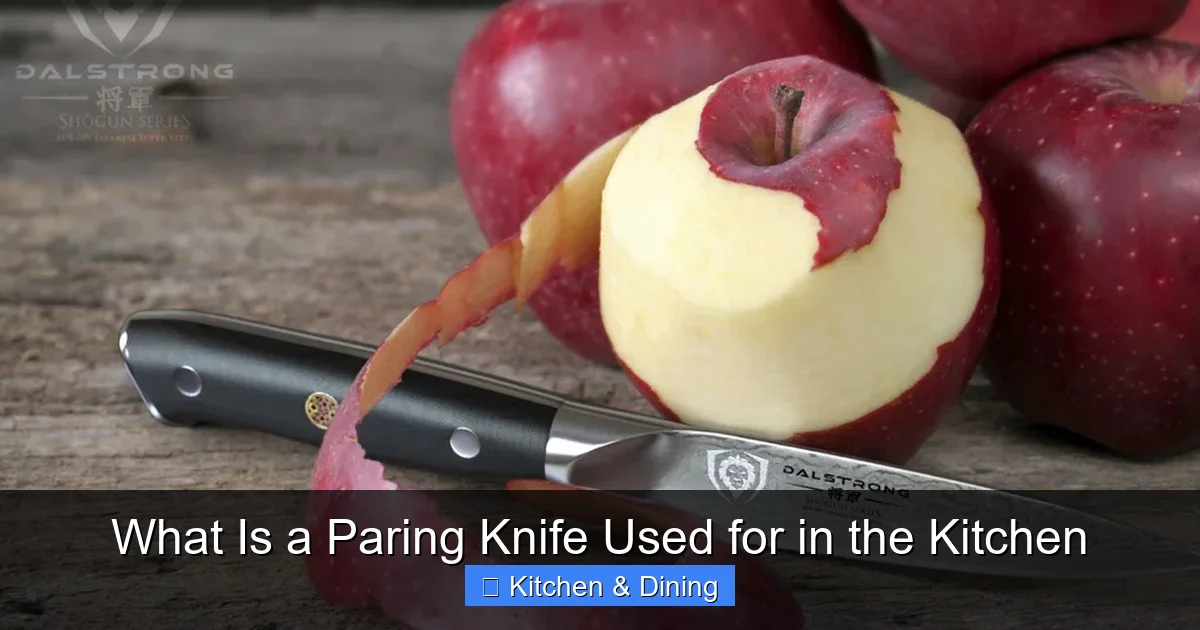
This is perhaps the most well-known use of a paring knife. Its small size and sharp blade make it ideal for removing the skins from fruits and vegetables with ease.
How to Peel with a Paring Knife
Using a paring knife for peeling requires a steady hand and proper technique to avoid wasting too much of the produce and to keep your fingers safe.
Visual guide about What Is a Paring Knife Used for in the Kitchen
Image source: nobliecustomknives.com
Visual guide about What Is a Paring Knife Used for in the Kitchen
Image source: learningthekitchen.com
- Grip the Knife: Hold the paring knife firmly in your dominant hand, usually with your index finger extended along the spine of the blade for added control.
- Grip the Produce: In your non-dominant hand, hold the fruit or vegetable securely.
- Start Peeling: Begin at the top or bottom of the produce. Gently angle the knife and make long, sweeping strokes to peel away the skin. Aim to remove thin, even layers.
- Rotate and Repeat: As you peel, rotate the fruit or vegetable to expose new sections. Continue this process until the entire surface is free of skin.
Example: When peeling an apple, you can hold it in your palm and make a continuous spiral cut around the fruit, creating one long peel. For potatoes or carrots, you might use shorter, more controlled strokes.
2. Trimming and Removing Imperfections
Beyond just peeling, a paring knife is perfect for trimming away small, unwanted bits from produce.
What to Trim
- Bruised Spots: Easily cut away small bruises or discolored areas from fruits and vegetables.
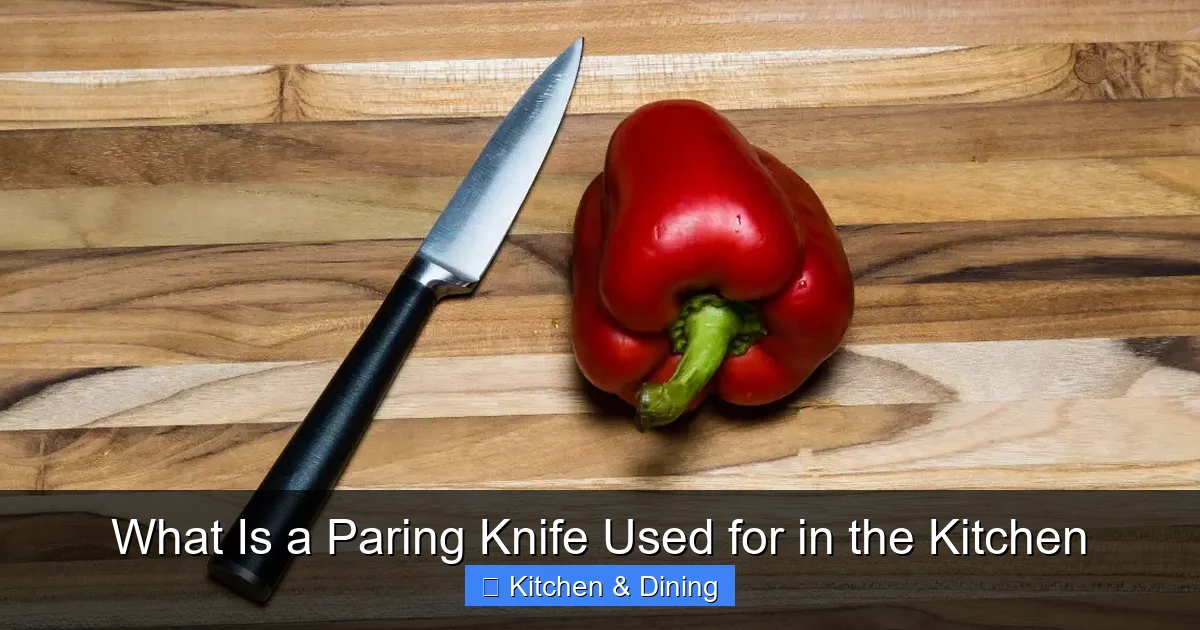
- Stems and Roots: Remove the tough stem from strawberries or trim the ends of carrots and parsnips.
- Eyes and Sprouting Buds: The sharp tip is perfect for digging out the “eyes” of potatoes or small sprouts.
Example: When preparing strawberries for a dessert, the paring knife is ideal for quickly hulling them (removing the green leafy top) and trimming any soft spots.
Visual guide about What Is a Paring Knife Used for in the Kitchen
Image source: cdn.sanity.io
3. Mincing Small Ingredients
For ingredients that are too small to safely chop with a large knife, a paring knife provides the necessary precision for mincing.
Mincing Techniques
- Garlic and Shallots: After a rough chop, use the paring knife to finely mince garlic cloves or shallots for sauces, dressings, or marinades.
- Fresh Herbs: For delicate herbs like parsley, cilantro, or chives, a paring knife allows for a fine chop without bruising the leaves excessively.
- Ginger: Peeling and then mincing fresh ginger becomes manageable with the controlled movements of a paring knife.
Practical Tip: When mincing, hold the ingredient firmly on your cutting board and make small, repetitive chopping motions with the paring knife. For herbs, you can also gather them into a small pile and then mince them.
4. Coring and Deveining
The sharp, pointed tip of a paring knife makes it excellent for piercing and removing cores or unwanted veins.
Coring and Deveining Tasks
- Coring Apples and Pears: After slicing an apple or pear in half, you can use the paring knife to neatly cut out the core and seeds.
- Coring Tomatoes: The small blade easily removes the tough core from tomatoes, making them easier to slice or dice.
- Deveining Shrimp: Insert the tip of the paring knife under the vein on the back of a shrimp and gently lift to remove it. This is a much quicker and more precise method than using a toothpick.
Tip: For coring apples, you can also insert the knife at an angle around the core and twist to remove it in one piece.
5. Creating Garnishes and Decorative Cuts
Want to add a professional touch to your dishes? A paring knife is your best friend for creating beautiful garnishes.
Garnish Ideas
- Citrus Twists and Peels: Easily peel thin strips of citrus zest for cocktails or garnish. You can also create decorative twists.
- Vegetable Curls: With a steady hand, you can shave thin ribbons of carrots, radishes, or cucumbers to create elegant curls for salads or platters.
- Scoring Fruits and Vegetables: For decorative scoring on the surface of fruits like melons or vegetables like squash, the paring knife allows for precise patterns.
- Artichoke Hearts: Preparing artichoke hearts often involves trimming tough outer leaves and slicing them, tasks well-suited for a paring knife.
Example: To make a simple citrus twist, use the paring knife to carefully peel a strip of zest from a lemon or orange, avoiding the bitter white pith. You can then twist it to release its oils.
6. Hulling and Segmenting Citrus
Specific fruits benefit greatly from the precision of a paring knife.
Hull and Segment Techniques
- Hulling Strawberries: As mentioned earlier, it’s quick and easy to remove the green hull.
- Segmenting Oranges and Grapefruits: This technique, known as “supreming,” involves slicing away the peel and pith, then carefully cutting between the membranes to release perfect, pith-free fruit segments. This is a classic use for a paring knife.
How to Supreme Citrus: First, slice off the top and bottom of the fruit. Then, stand it upright and slice away the peel and white pith, following the curve of the fruit. Once the fruit is fully peeled, hold it over a bowl and use your paring knife to slice between the membranes, releasing the segments.
7. Opening Packages and Small Tasks
While not its primary culinary function, a paring knife can also be handy for other small tasks around the kitchen.
Other Handy Uses
- Opening Boxes: Carefully slice through tape on boxes or packaging.
- Removing Lids: For jars with stubborn lids, the tip can sometimes help break the seal.
- Scoring Dough: For small bread or pastry items, a paring knife can be used to score decorative patterns before baking.
Caution: Always be mindful of what you are cutting into to avoid damaging the knife or cutting yourself.
Choosing and Maintaining Your Paring Knife
Having a good paring knife is essential, and keeping it in top condition will ensure its effectiveness.
Types of Paring Knives
While most paring knives are made of stainless steel, you might also find them in ceramic. Ceramic paring knives are known for their extreme sharpness and resistance to corrosion, but they can be more brittle than steel.
Maintaining Your Paring Knife
- Cleaning: Always wash your paring knife by hand immediately after use. Dishwashers can dull the blade and damage the handle.
- Drying: Thoroughly dry the knife after washing to prevent rust.
- Sharpening: A dull paring knife is not only less effective but also more dangerous. Regularly sharpen your knife using a whetstone or a good electric knife sharpener. Aim to sharpen it whenever you notice it struggling to cut through soft items.
Investing in a good quality paring knife, perhaps as part of a quality knife set, will make a significant difference in your kitchen prep.
Troubleshooting Common Paring Knife Issues
Even with the best tools, you might encounter minor challenges.
Issue: Difficulty Peeling Thin-Skinned Items
Solution: Ensure your paring knife is properly sharpened. A dull blade will crush rather than cut the skin, making it difficult to peel.
Issue: Slipping Knife During Trimming
Solution: Ensure your hands and the produce are dry. A firm grip on both the knife and the item you’re cutting is crucial. For very slippery items, consider using a cutting board with a non-slip base.
Issue: Not Getting Precise Mince
Solution: Practice makes perfect. Ensure you’re using the knife’s tip for control and making small, deliberate chopping motions. If the ingredient is too small to handle safely, gather it into a small pile using the knife itself.
Conclusion
The paring knife is a small knife with a big impact in the kitchen. Its precision, control, and sharpness make it indispensable for a multitude of tasks, from the simple act of peeling an apple to the intricate art of creating garnishes. Don’t underestimate this little tool; it can elevate your cooking from everyday meals to culinary masterpieces. Whether you’re a beginner cook or a seasoned chef, ensuring you have a sharp, reliable paring knife and knowing how to use it to its full potential will undoubtedly make your time in the kitchen more efficient, enjoyable, and productive. It’s a fundamental tool that deserves a prime spot in any kitchen drawer.