Can I Put a Paper Plate in the Air Fryer
Wondering if you can toss a paper plate into your air fryer? While tempting for easy cleanup, it’s generally not recommended. Paper plates can catch fire, warp, or release harmful chemicals when exposed to high heat. This guide explores the risks and offers safer alternatives for using your air fryer effectively and without worry.
# Can I Put a Paper Plate in the Air Fryer? Understanding the Risks and Alternatives
The allure of the air fryer is undeniable. It cooks food quickly, makes it crispy, and often promises easier cleanup. This has led many home cooks to wonder about shortcuts, like using a paper plate to catch grease or avoid scrubbing the basket. So, the burning question is: Can I put a paper plate in the air fryer?
The short answer is: **It’s generally not recommended, and often, it’s downright unsafe.** While the idea of a disposable liner for your air fryer might seem convenient, there are significant risks involved that can impact your safety, your food, and your appliance. This comprehensive guide will delve into why putting paper plates in your air fryer is a bad idea, explore the potential dangers, and offer much safer and more effective alternatives. We want you to enjoy your air fryer meals without any unnecessary worries.
## Why the Hesitation? Understanding Air Fryer Mechanics
Before we tackle the paper plate question head-on, let’s quickly understand how an air fryer works. An air fryer is essentially a compact, powerful convection oven. It circulates hot air at very high speeds around your food. This rapid circulation is what creates that signature crispiness. Temperatures in an air fryer can range from around 150°F (65°C) to 400°F (200°C) or even higher, depending on the model and setting. This high heat, combined with the circulating air, is where the problems with paper plates arise.
## The Risks of Putting a Paper Plate in the Air Fryer
So, what exactly happens when you introduce a paper plate into this hot, windy environment? The dangers are multi-faceted:
### Fire Hazard: The Biggest Concern
This is, by far, the most critical risk. Paper is flammable. Air fryers operate at temperatures that can easily reach or exceed the ignition point of paper. Even if the paper plate itself doesn’t immediately burst into flames, a stray piece of food grease or a hot spot can cause it to smolder and eventually ignite. The circulating hot air can then fan these flames, potentially leading to a serious fire inside your appliance and even your kitchen.
### Melting and Warping
Many paper plates, especially those designed for casual use or picnics, are coated with a thin layer of plastic or wax. This coating is intended to make them water and grease-resistant. When exposed to the high heat of an air fryer, these coatings can melt. Melted plastic or wax can drip onto your food, contaminating it with potentially harmful chemicals. It can also make a sticky, gooey mess inside your air fryer basket, which can be difficult to clean and may even damage the non-stick coating. Even uncoated paper plates can warp and curl at high temperatures, potentially blocking airflow and affecting cooking.
### Chemical Leaching
Even if a paper plate doesn’t melt or catch fire, there’s a concern about chemicals leaching from the paper itself or any dyes used in its printing. While most food-grade paper products are designed to be safe for intended use (like holding dry snacks), prolonged exposure to high heat and grease in an air fryer environment is not an intended use. The specific composition of the paper, any glues used, or printing inks could potentially break down and transfer into your food at these elevated temperatures.
### Airflow Obstruction
Air fryers rely on consistent, unimpeded airflow to cook food evenly and achieve crispiness. A paper plate, especially if it’s a bit flimsy and starts to curl or sag, can easily block the vents or the perforations in the air fryer basket. This obstruction will lead to uneven cooking, leaving some parts of your food undercooked while others might be burnt. It defeats the purpose of using an air fryer efficiently.
## Are There *Any* Circumstances Where It Might Be Okay?
You might have seen articles or online discussions suggesting that plain, uncoated, heavy-duty paper plates *might* be used with extreme caution. These discussions often emphasize:
* **Using only plain white, uncoated paper plates:** No prints, no colors, no wax, no plastic coatings.
* **Ensuring the plate is larger than the food but not touching the heating element:** This is a tricky balance.
* **Using very low temperatures (e.g., for reheating only):** Below 300°F (150°C).
* **Never leaving the air fryer unattended.**
* **Not cooking greasy foods.**
However, even with these precautions, the risk remains. The definition of “uncoated” can be ambiguous, and the intense circulating air can still cause issues. Given the serious potential consequences, most experts and appliance manufacturers strongly advise against using any kind of paper plate in an air fryer. It’s simply not worth the gamble.
## Safer and Smarter Alternatives for Your Air Fryer
The good news is that you don’t need to resort to risky paper plate solutions to keep your air fryer clean or to enhance your cooking. There are several excellent, safe alternatives:
### 1. Air Fryer Parchment Paper Liners
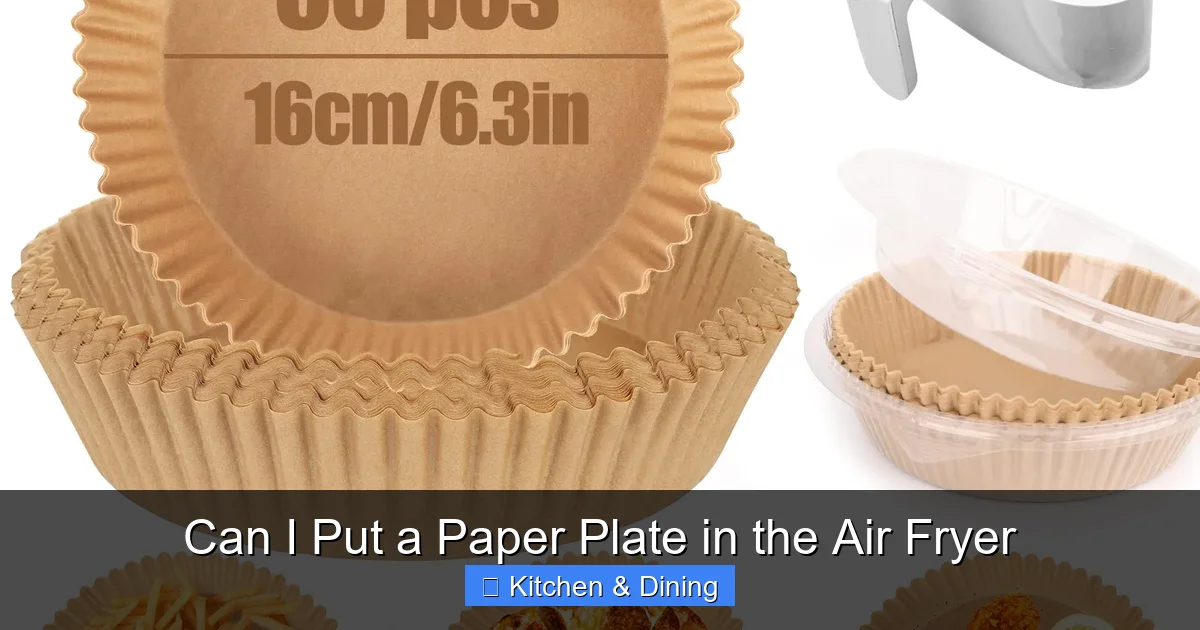
These are specifically designed for use in air fryers and other similar appliances. They are typically made of unbleached pulp and are perforated to allow for proper airflow.
* **How to use them:** Place the parchment liner at the bottom of your air fryer basket *before* adding your food. Ensure the liner is not too large and doesn’t cover the air holes. Some people also use them to wrap foods, creating a “packet” similar to parchment paper baking.
* **Benefits:** They are disposable, making cleanup incredibly easy. They are designed to withstand air fryer temperatures and allow for optimal airflow. They are generally affordable and widely available.
* **Tips:** Always weigh down the parchment paper liner with a bit of food when starting to cook. If you place an empty basket with a liner in it, the fan can blow the liner into the heating element, posing a fire risk. Never let the liner hang over the side of the basket.
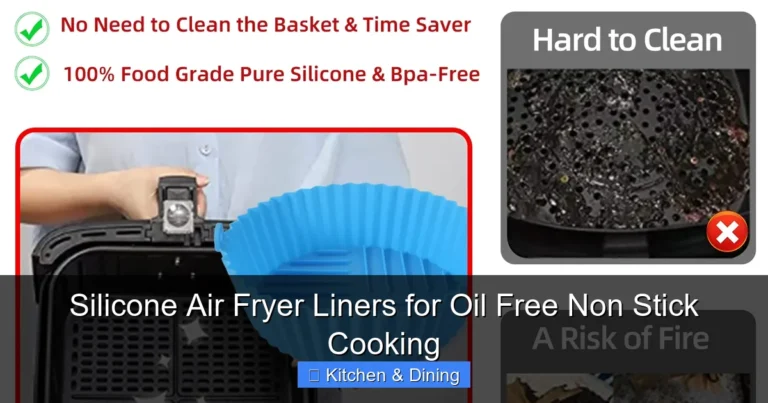
### 2. Silicone Air Fryer Liners or Mats
These are reusable, flexible mats made from food-grade silicone. They are a fantastic eco-friendly option.
* **How to use them:** Simply place the silicone liner in the bottom of your air fryer basket. Make sure it fits well and doesn’t obstruct airflow.
* **Benefits:** Reusable, durable, easy to clean (often dishwasher safe), and can withstand high temperatures. They provide a non-stick surface and catch grease.
* **Tips:** Choose a liner that is the correct size for your air fryer basket. Some silicone liners have raised edges that can help contain messes. Like parchment paper, be mindful of airflow.
### 3. Reusable Silicone Molds or Cups
Small silicone muffin cups or other small silicone molds can be placed inside the air fryer basket to cook individual portions or to prevent smaller items from falling through the grates.
* **How to use them:** Place the silicone cups or molds in the basket and add your food.
* **Benefits:** Great for portion control, keeping foods separate, and easy cleanup.
* **Tips:** Ensure there’s enough space around the silicone items for air to circulate.
### 4. Aluminum Foil (With Caution!)
While not ideal for all situations, aluminum foil can be used strategically in an air fryer, but with specific guidelines.
* **How to use it:** If you use foil, **do not line the entire bottom of the basket**. Instead, use small pieces of foil to tent over food, create a packet for moist cooking, or place under particularly greasy items to catch drips. Ensure the foil does not touch the heating element or cover the air vents.
* **Benefits:** It’s readily available in most kitchens.
* **Risks and Cautions:**
* **Fire hazard:** If the foil comes into contact with the heating element, it can short-circuit and cause a fire.
* **Airflow:** Never cover the entire basket with foil, as this will prevent proper air circulation and lead to uneven cooking.
* **Food reactivity:** Acidic foods (like tomatoes or citrus) can react with aluminum foil, causing a metallic taste in your food and potential leaching of aluminum. It’s generally best to avoid using foil with acidic foods.
* **Check your manual:** Some air fryer manufacturers specifically advise *against* using aluminum foil.
### 5. Direct Cleaning
Honestly, the easiest and often best approach is to clean your air fryer basket directly after use. Most air fryer baskets are non-stick and designed for easy cleaning.
* **How to do it:** Let the basket cool down. Most can be washed with warm, soapy water and a non-abrasive sponge. Some are also dishwasher safe (always check your manual!). For stubborn residue, soaking the basket for a bit can help. For more detailed instructions, you can look up the “best way to clean the inside of a microwave oven” as many of the principles of cleaning kitchen appliances are similar, focusing on gentle but effective methods.
* **Benefits:** No extra purchases needed, ensures your appliance is well-maintained, and avoids any potential risks associated with liners.
## Step-by-Step: How to Safely Use Your Air Fryer
Whether you choose parchment liners, silicone mats, or direct cleaning, here’s a general approach to using your air fryer safely and effectively:
### Step 1: Prepare Your Air Fryer
* Ensure your air fryer is placed on a stable, heat-resistant surface.
* Make sure there’s adequate space around the appliance for ventilation.
* If using a liner (parchment or silicone), place it in the basket now. Remember to weigh down parchment liners if the basket is empty.
### Step 2: Add Your Food
* Arrange your food in a single layer in the air fryer basket for best results.
* Avoid overcrowding the basket, as this impedes airflow and leads to uneven cooking.
* If you are cooking particularly greasy foods, consider placing a small piece of foil *underneath* the liner or food to catch excess grease, but ensure it doesn’t interfere with airflow or touch the heating element.
### Step 3: Set the Temperature and Time
* Refer to your recipe or the air fryer’s guidelines for the correct temperature and cooking time.
* Preheating your air fryer is often recommended for optimal results, just like a regular oven.
### Step 4: Cook and Monitor
* Cook your food, shaking the basket halfway through for even crispiness if necessary.
* **Crucially, never leave your air fryer unattended, especially if you have any doubts about the materials you’re using inside.**
### Step 5: Clean Up
* Once cooking is complete and the appliance has cooled, remove the basket.
* Discard the parchment liner if used.
* Wash the basket and any racks or accessories with warm, soapy water.
* Wipe down the interior of the air fryer if needed, following your appliance’s manual. Remember, maintaining a clean appliance is part of safe operation. This is similar to how you’d approach the “best way to clean the inside of a microwave oven.”
## What If I Accidentally Used a Paper Plate?
If you’ve already used a paper plate in your air fryer, don’t panic, but do inspect your appliance.
1. **Unplug the Air Fryer Immediately:** Safety first!
2. **Inspect the Basket and Interior:** Look for any melted residue, charring, or damage.
3. **Check for Odors:** If you smell burning plastic or paper, this is a bad sign.
4. **Clean Thoroughly:** If there are no obvious signs of damage, clean the basket and interior very thoroughly. Use appropriate cleaners for any melted residue. If you’re unsure about cleaning, consult your air fryer’s manual.
5. **Monitor Closely:** If you choose to use the air fryer again, monitor it extremely closely, especially during the first few cooking cycles. If you notice any strange smells, smoke, or odd behavior, stop immediately and have it inspected.
6. **Consider Replacement:** If there is significant damage, melting, or persistent odors, it might be safer to replace the basket or the entire appliance.
## Conclusion: Prioritize Safety and Smart Solutions
In conclusion, while the idea of using a paper plate in your air fryer for convenience might be tempting, it is a practice that carries significant risks. The potential for fire, food contamination, and damage to your appliance far outweighs any perceived benefits.
Instead, embrace the array of safe and effective alternatives available. Air fryer parchment liners, reusable silicone mats, and diligent cleaning practices are your best allies for a clean, safe, and efficiently operating air fryer. By understanding the risks and choosing the right accessories, you can continue to enjoy delicious, crispy air-fried foods with confidence. Remember, your kitchen safety and the longevity of your appliances are paramount. If you’re looking for a versatile appliance that can handle many cooking tasks, exploring options like the best multi-function air fryer can offer even more convenience without compromising safety.
Key Takeaways
- Paper plates are generally not safe for air fryers due to fire risks and potential for releasing harmful chemicals.
- The high temperatures in an air fryer can cause paper plates to ignite or melt, posing a significant fire hazard.
- Some paper plates are coated with plastics or waxes that can melt and contaminate food or damage the air fryer.
- While some sources suggest using plain, uncoated paper plates with extreme caution, the risks usually outweigh the convenience.
- Safer alternatives include parchment paper liners designed for air fryers, silicone mats, or simply cleaning the air fryer basket directly.
- Always prioritize food safety and appliance longevity over the convenience of single-use items in your air fryer.
- Read your air fryer’s manual for specific recommendations on what materials are safe to use inside it.