How to Get Rid of Calcium Deposits in Electric Kettle
Don’t let stubborn calcium deposits ruin your electric kettle! This comprehensive guide will walk you through easy and effective methods to remove them, ensuring your kettle works efficiently and your water is pure. We’ll cover natural solutions like vinegar and lemon, as well as more robust options for tougher buildup. Get your electric kettle sparkling clean and enjoy perfect hot beverages every time.
How to Get Rid of Calcium Deposits in Electric Kettle
Is your electric kettle looking a bit sad and chalky inside? Those white, flaky bits aren’t just unsightly; they can actually affect how well your kettle heats water and even impact the taste of your beverages. These calcium deposits, often referred to as limescale, are a common problem, especially if you live in an area with hard water. But don’t worry! Getting rid of them is much easier than you might think. This guide will provide you with clear, step-by-step instructions on how to banish calcium deposits from your electric kettle, restoring it to its former glory.
We’ll explore various cleaning methods, from simple natural remedies that you likely already have in your kitchen to slightly more intensive approaches for stubborn limescale. By the end of this guide, you’ll know exactly how to tackle this common issue, ensuring your electric kettle performs optimally and delivers pure, clean water for your morning coffee, afternoon tea, or any other hot drink you fancy.
- Vinegar is a powerful natural descaler: Its acidity effectively breaks down calcium carbonate deposits.
- Lemon juice offers a gentler alternative: It’s effective for lighter buildup and leaves a fresh scent.
- Baking soda can help scrub stubborn spots: Combine it with water to create a paste for targeted cleaning.
- Regular descaling prevents buildup: Cleaning your kettle monthly or as needed keeps it in top condition.
- Always rinse thoroughly: Ensure no cleaning solution residue remains to affect water taste.
- Avoid harsh abrasives: These can scratch the kettle’s interior and damage the heating element.
[FEATURED_IMAGE_PLACEHOLDER]
Understanding Calcium Deposits (Limescale)
Before we dive into the cleaning process, it’s helpful to understand what calcium deposits are and why they form. Hard water contains a high concentration of dissolved minerals, primarily calcium and magnesium. When you boil water in your electric kettle, these minerals are left behind as the water evaporates, gradually building up on the heating element and the interior surfaces of the kettle. This buildup, known as limescale, looks like a white, chalky residue. While it’s generally harmless from a health perspective, it can:
- Reduce energy efficiency: Limescale acts as an insulator, meaning your kettle has to work harder and longer to boil water, consuming more electricity.
- Shorten the lifespan of your kettle: Excessive buildup can damage the heating element.
- Affect the taste of your drinks: In some cases, limescale can impart a slightly metallic or chalky taste to your water.
- Lead to breakdowns: A heavily scaled heating element can eventually fail.
Regularly cleaning your electric kettle can prevent these issues and keep your appliance running smoothly. It’s a simple maintenance task that can save you time, money, and frustration in the long run. Think of it like giving your kettle a spa treatment to keep it happy and healthy!
Method 1: The Classic Vinegar Clean
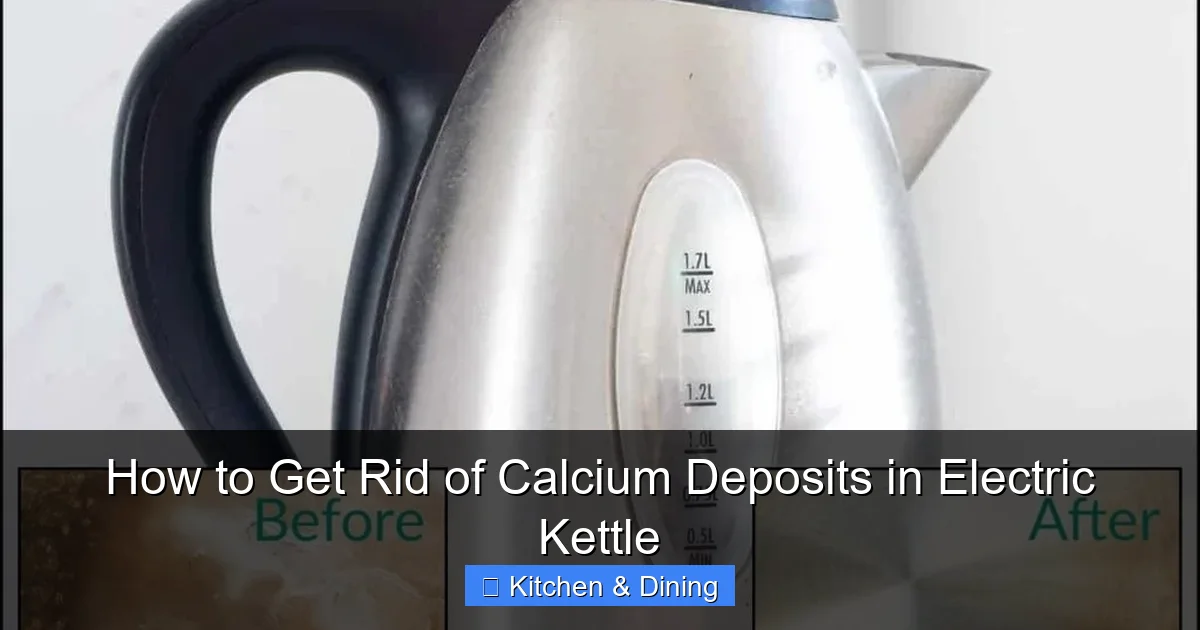
Vinegar is a kitchen staple for a reason, and its acidic properties make it a powerhouse for descaling. White vinegar is the most common and effective choice for this task.

Visual guide about How to Get Rid of Calcium Deposits in Electric Kettle
Image source: kitchenadvising.com
Step 1: Prepare the Vinegar Solution
You’ll need equal parts white vinegar and water. For example, if your kettle has a capacity of 1.7 liters, you might use about 850ml of water and 850ml of white vinegar. Ensure the solution covers the heating element completely. If you have a lot of buildup, you can use a stronger solution, perhaps 2 parts vinegar to 1 part water, but always start with a 1:1 ratio.
Step 2: Let it Soak and Boil
Pour the vinegar and water mixture into your electric kettle. Close the lid and turn on the kettle to boil the solution. Once it reaches a boil, turn off the kettle and let the hot vinegar solution sit inside for at least 30 minutes. For very stubborn deposits, you can leave it to soak for an hour or even longer, or repeat the boiling and soaking process.
Tip: You might notice a strong smell of vinegar during this process. Ensure good ventilation in your kitchen. If the smell is too much to bear, consider using a different method, like the lemon juice approach.
Step 3: Empty and Rinse Thoroughly
Carefully pour out the hot vinegar solution. You should see that some of the calcium deposits have loosened and may be floating in the water. Use a soft cloth or sponge to gently wipe away any remaining residue. Be sure to rinse the inside of the kettle several times with clean, fresh water. Boil a kettle full of just water and discard it to remove any lingering vinegar taste. You might need to repeat this rinse-and-boil step a couple of times to ensure the water is completely free of any vinegar scent or taste.
Step 4: Inspect and Repeat if Necessary
Once rinsed, inspect the inside of your kettle. If there are still noticeable calcium deposits, repeat the vinegar cleaning process. For particularly tough spots, you can try using a non-abrasive sponge or brush to gently scrub them away after the soaking period.
Method 2: The Refreshing Lemon Juice Clean
If you’re not a fan of the vinegar smell, or if you have a lighter buildup of limescale, lemon juice is a fantastic natural alternative. It’s less potent than vinegar but still very effective and leaves a pleasant citrus scent.
Visual guide about How to Get Rid of Calcium Deposits in Electric Kettle
Image source: i.pinimg.com
Step 1: Prepare the Lemon Solution
Squeeze the juice of one to two fresh lemons into your kettle. Then, fill the kettle with water, ensuring the lemon juice and water mixture covers the heating element. You can also add the lemon rinds to the water for extra cleaning power and scent.
Step 2: Boil and Let it Sit
Close the lid and boil the lemon mixture. Once it boils, turn off the kettle and let it sit for about 30 minutes to an hour. The citric acid in the lemon juice will work to break down the calcium deposits.
Step 3: Empty and Rinse Well
Pour out the lemon-infused water. Gently wipe down the inside of the kettle with a soft cloth or sponge to remove any loosened scale. Rinse the kettle thoroughly with clean water. To get rid of any citrusy taste, boil a kettle of plain water and discard it. Repeat the plain water boil if necessary.
Step 4: Check for Stubborn Spots
Examine the kettle’s interior. If any calcium deposits remain, you can try repeating the process or using a soft brush to gently scrub them away after soaking. For very tough scale, you might need to combine this method with a brief vinegar soak, or use a dedicated kettle descaler.
Method 3: Using Baking Soda for Tougher Stains
Baking soda is a mild abrasive and a natural deodorizer, making it useful for tackling persistent calcium deposits that might not come off with just vinegar or lemon juice alone. It’s best used as a scrub after a descaling soak.
Visual guide about How to Get Rid of Calcium Deposits in Electric Kettle
Image source: irrorwxhiqijjr5q.ldycdn.com
Step 1: Perform a Vinegar or Lemon Soak
First, follow the steps for either the vinegar or lemon juice cleaning method. This initial soak will loosen the bulk of the calcium deposits.
Step 2: Create a Baking Soda Paste
After emptying the descaling solution and rinsing the kettle once, sprinkle a tablespoon or two of baking soda into the kettle. Add a small amount of water to create a thick paste.
Step 3: Gently Scrub the Deposits
Use a soft cloth, sponge, or a non-abrasive brush to gently scrub the areas with stubborn calcium deposits using the baking soda paste. Be careful not to scratch the kettle’s interior. The mild abrasive nature of baking soda will help lift the remaining scale.
Step 4: Rinse and Boil with Fresh Water
Rinse the kettle thoroughly to remove all traces of baking soda and loosened deposits. To ensure no residue remains and to neutralize any lingering tastes, boil a kettle of plain water and discard it. Repeat this rinsing process as needed.
Method 4: Commercial Kettle Descalers
For very heavy or stubborn limescale buildup, a commercial kettle descaler might be your best bet. These products are specifically formulated to quickly and effectively remove mineral deposits.
Step 1: Read the Product Instructions Carefully
Each commercial descaler will have its own specific instructions. It’s crucial to read and follow these precisely for safety and effectiveness. Pay close attention to dilution ratios, soaking times, and rinsing requirements.
Step 2: Prepare and Apply the Descaler
Typically, you’ll mix the descaler with water in the kettle according to the product’s instructions. Ensure the solution covers the affected areas. Some descalers might require you to boil the solution, while others are designed to work at room temperature.
Step 3: Allow to Work and Rinse
Let the descaler work for the recommended time. Once the soaking period is complete, carefully empty the kettle and rinse it thoroughly multiple times with clean water. It’s essential to remove all traces of the chemical descaler.
Step 4: Boil Fresh Water (Multiple Times)
After rinsing, boil a full kettle of plain water and discard it. Repeat this process at least once, or until you are confident that no chemical residue remains and the water tastes pure. This step is vital for your safety and the taste of your beverages.
Important Note: Always use commercial descalers in a well-ventilated area and avoid inhaling fumes. If you have a particularly old or delicate kettle, check the manufacturer’s recommendations before using a strong commercial descaler.
Preventing Future Calcium Deposits
The best way to deal with calcium deposits is to prevent them from forming in the first place. Here are some practical tips:
- Descale Regularly: Make it a habit to descale your electric kettle at least once a month, or more often if you have very hard water. A quick monthly clean can prevent significant buildup.
- Use Filtered Water: If you have hard water, consider using filtered or distilled water in your kettle. This significantly reduces the mineral content, thereby minimizing limescale formation. A good water filter pitcher can make a world of difference.
- Empty the Kettle After Each Use: Don’t leave standing water in the kettle. After each use, empty any leftover water. This prevents minerals from settling and drying onto the surfaces.
- Wipe Down the Interior: After emptying, give the inside of the kettle a quick wipe with a soft, dry cloth. This removes any residual moisture and loose mineral particles.
- Address Buildup Promptly: If you notice the beginnings of chalky deposits, address them immediately with a quick vinegar or lemon soak. It’s much easier to remove small amounts of limescale than large, hardened patches.
By incorporating these preventative measures into your routine, you can significantly extend the life of your electric kettle and ensure it always delivers perfectly heated, pure water.
Troubleshooting Common Issues
Even with regular cleaning, you might encounter a few hiccups:
- Persistent Stubborn Spots: If a particular spot refuses to budge, try gently scrubbing it with a soft brush or an old toothbrush after a descaling soak. Avoid metal scrubbers, as they can damage the kettle.
- Unpleasant Odor After Cleaning: If your kettle still smells of vinegar or lemon after multiple rinses and plain water boils, try boiling a mixture of water and a teaspoon of baking soda, then rinsing thoroughly. This can help neutralize odors.
- Damage to Heating Element: If you suspect your heating element is already damaged due to severe limescale buildup, it might be time to consider replacing the kettle. A heavily damaged element can be a safety hazard.
- Kettle Not Heating Properly: Besides limescale, other issues can cause your kettle to stop heating. Ensure the power cord is securely plugged in and the outlet is working. If the problem persists, it might be an internal fault. For troubleshooting other appliances, you might find resources on how to troubleshoot low pressure in a gas power washer helpful in understanding general appliance maintenance, although the contexts are quite different.
Conclusion
Getting rid of calcium deposits in your electric kettle is a straightforward process that can significantly improve its performance and longevity. Whether you opt for the natural power of vinegar or lemon juice, or choose a commercial descaler for tougher jobs, the key is consistency. By descaling your kettle regularly and employing preventative measures like using filtered water and emptying it after each use, you can keep it in pristine condition. Enjoying a perfectly brewed cup of tea or coffee starts with pure, clean water, and a well-maintained electric kettle is the first step to achieving just that!