Do Not Blend Hot Liquids in a Sealed Blender Jar
Blending hot liquids in a sealed blender jar can lead to dangerous explosions. This guide explains the science behind this hazard and provides safe, step-by-step methods for blending hot ingredients. Learn how to prevent injuries and damage to your kitchen appliances. Always prioritize safety when using your blender.
Key Takeaways
- Steam Builds Pressure: Heating liquids creates steam, which expands rapidly. When trapped in a sealed blender jar, this steam can build immense pressure.
- Explosion Risk: The immense pressure from steam can cause the blender lid to blow off, or even the jar itself to shatter, creating a dangerous projectile hazard.
- Scalding Burns: Hot liquid and shattered plastic or glass can cause severe burns and injuries to anyone near the blender.
- Appliance Damage: An explosion can render your blender unusable and potentially damage your kitchen counter or surrounding areas.
- Safe Blending Techniques: Always allow hot liquids to cool significantly before blending, or vent the lid properly.
- Ventilation is Key: If blending warm (not hot) liquids, remove the center cap of the lid and cover the opening with a folded kitchen towel.
- Know Your Blender: Familiarize yourself with your blender’s manual and its specific safety recommendations.
Do Not Blend Hot Liquids in a Sealed Blender Jar
Your blender is a kitchen workhorse, perfect for smoothies, sauces, and soups. But there’s one task you should absolutely avoid: blending hot liquids in a sealed blender jar. This seemingly simple act can turn into a dangerous situation very quickly, leading to explosions, severe burns, and damaged appliances. This guide will walk you through exactly why this is a hazard and, more importantly, how to blend hot ingredients safely.
You’ll learn about the science behind blender explosions, understand the risks involved, and discover practical, safe methods for incorporating warm ingredients into your blends. By the end of this guide, you’ll be equipped to use your blender with confidence, knowing how to protect yourself and your kitchen.
Why You Should Never Blend Hot Liquids in a Sealed Blender Jar
The primary reason is simple physics: heat and pressure. When you heat a liquid, it turns into steam. Steam takes up significantly more space than liquid. If you seal this steam inside a blender jar, there’s nowhere for it to go. The blender jar and lid are not designed to withstand this kind of internal pressure.
The Science of the Steam Explosion
Think of it like a pressure cooker or a steam engine. When water is heated, its molecules gain energy and escape into the gaseous state as steam. In a confined space like a blender jar, this steam expands rapidly. The blender’s motor might be powerful, but it’s not designed to overcome the force of rapidly expanding steam. The weakest point will give way. This is often the lid, which can be forcefully ejected, or in extreme cases, the jar itself can crack or shatter.
The Dangers of Hot Liquid and Exploding Blenders
The consequences of a blender explosion are serious:
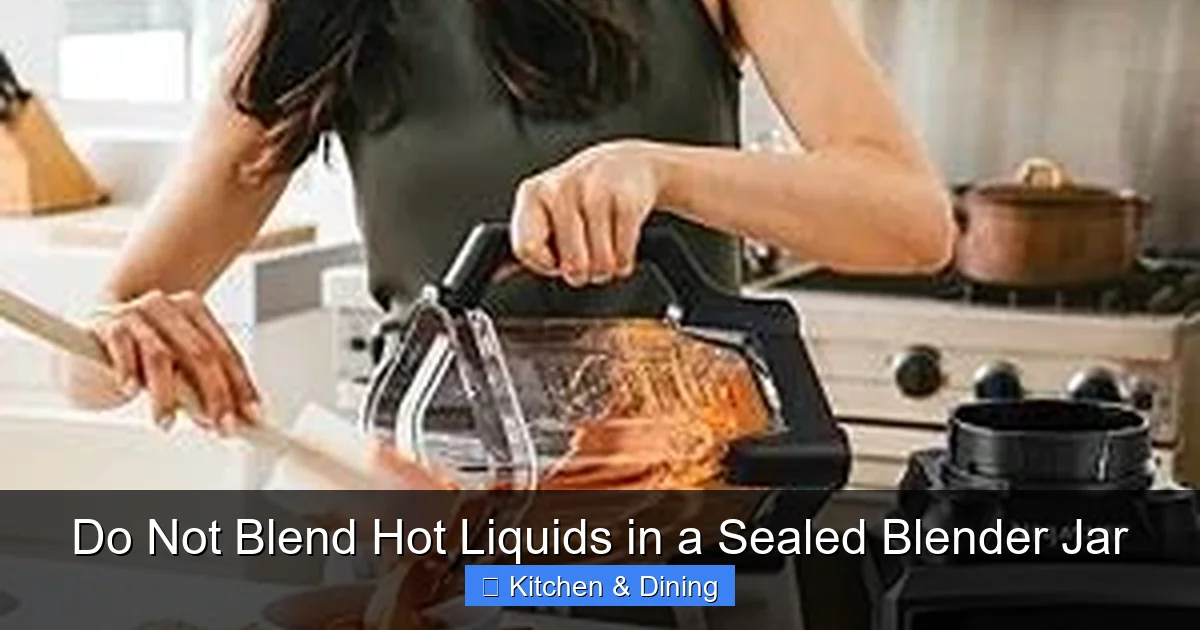
* Scalding Burns: The ejected lid or the bursting jar will spray scalding hot liquid in all directions. This can cause severe burns to your face, hands, arms, and any other exposed skin.
* Lacerations: If the blender jar shatters, the sharp pieces of plastic or glass can cause deep cuts and lacerations.
* Eye Injury: Hot liquid or flying debris can cause permanent eye damage.
* Mess and Damage: Beyond the personal injury, a blender explosion creates an enormous mess, coating your kitchen walls, ceiling, and appliances with hot, sticky liquid. The force of the explosion can also damage your countertops or the blender itself beyond repair.
Safe Methods for Blending Hot Liquids
The good news is you don’t have to forgo blending hot ingredients entirely. You just need to be smart about it. Here are the safest ways to handle warm or hot liquids in your blender.
Step 1: Cool Down Your Liquids First
This is the most straightforward and safest method. If your recipe calls for blending hot ingredients, allow them to cool down significantly before they go into the blender.
H3: How Cool is Cool Enough?
Aim for lukewarm. If you can comfortably touch the liquid without feeling intense heat, it’s generally safe to blend. For soups and sauces, letting them sit for 10-15 minutes off the heat is usually sufficient. If you’re in a hurry, you can transfer the hot liquid to a heat-safe bowl and place it in the refrigerator or an ice bath for faster cooling.
Visual guide about Do Not Blend Hot Liquids in a Sealed Blender Jar
Image source: kitchenhabit.com
Visual guide about Do Not Blend Hot Liquids in a Sealed Blender Jar
Image source: kitchenhabit.com
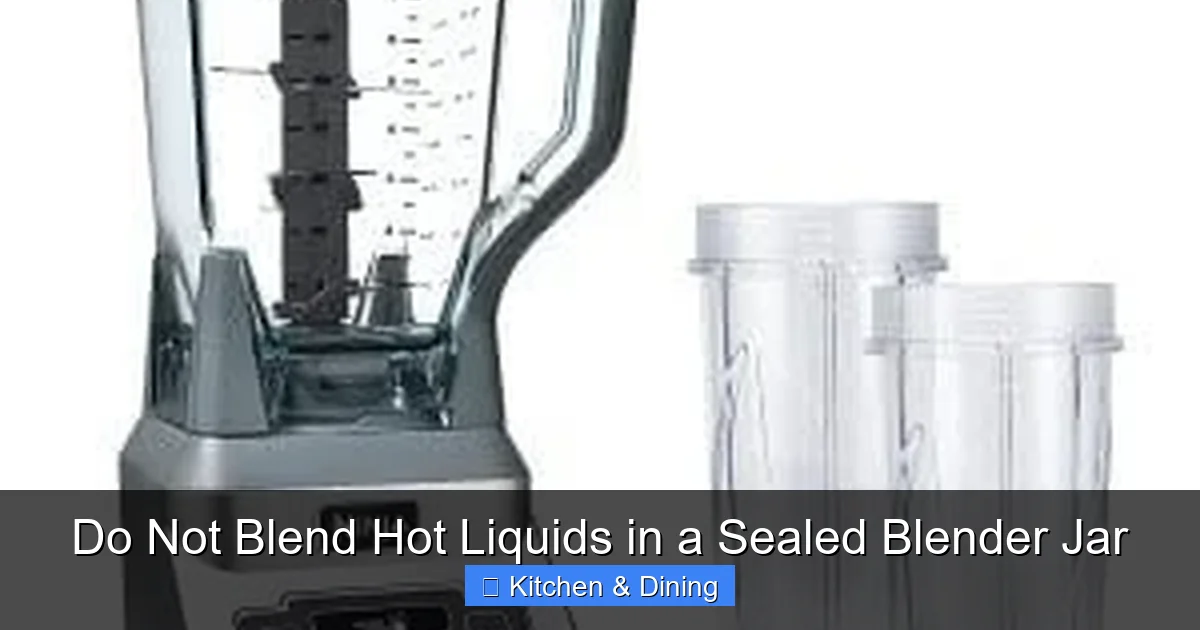
Visual guide about Do Not Blend Hot Liquids in a Sealed Blender Jar
Image source: kitchenhabit.com
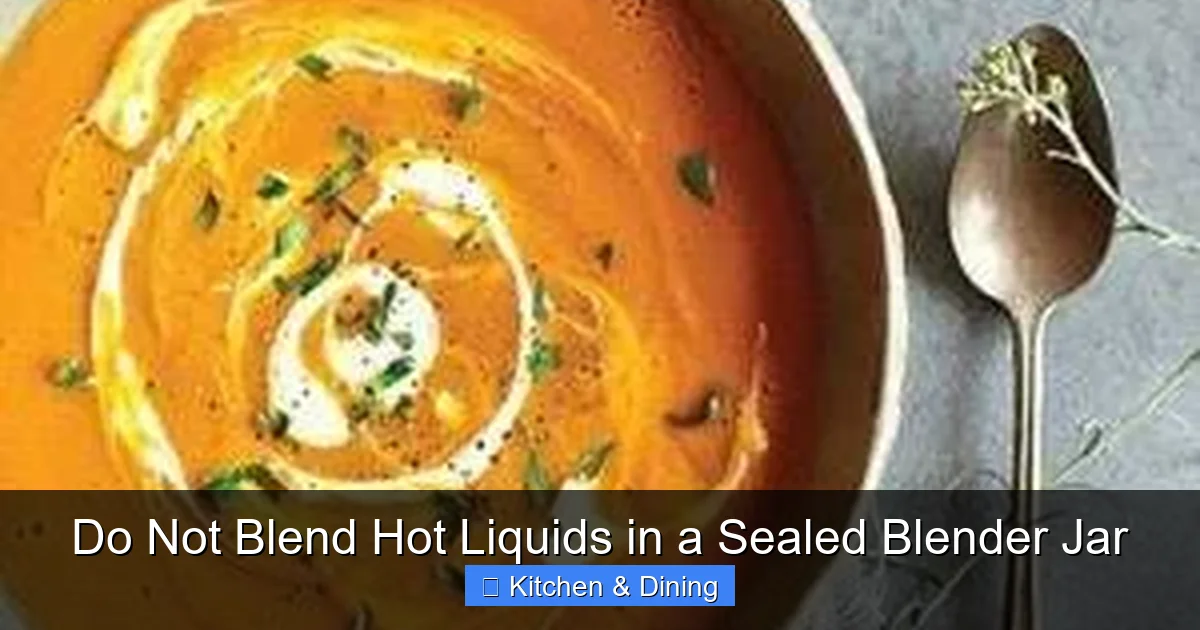
Example: If you’ve just made a hot tomato soup to blend into a smooth bisque, don’t pour it directly from the pot into the blender. Let it cool for at least 10 minutes, stirring occasionally, before proceeding.
Step 2: Vent the Lid Properly
If you absolutely must blend something that is warm (but not boiling hot), you can create a vent. This allows the steam to escape, preventing pressure buildup.
H3: The Towel Trick for Venting
Remove the center cap (the small plug) from your blender lid. Place a folded kitchen towel over the opening. This allows steam to escape while also acting as a barrier to prevent splashing. Ensure the towel is securely held in place by your hand or by placing the lid firmly on the blender jar.
Important Note: This method is for *warm* liquids, not boiling hot ones. If the liquid is too hot, the steam will still be intense, and the towel might not be enough to prevent a dangerous situation. If you’re unsure, always opt for cooling it down first.
Example: You’re making a savory blended sauce with warm vegetable broth. Remove the lid’s center cap, place a folded towel over the opening, and blend on a low setting, holding the towel down firmly.
Step 3: Blend in Batches
If you have a large quantity of warm liquid, don’t try to blend it all at once. Smaller batches are easier to manage and reduce the risk of overheating or pressure buildup.
H3: How to Blend in Batches Safely
Fill the blender jar only about halfway with the warm liquid. Blend for short intervals, checking the temperature and pressure periodically. If the jar feels very hot, stop and let it cool before continuing.
Example: You’re blending a large batch of homemade pesto with warm olive oil. Divide the pesto and oil into two or three smaller portions. Blend each portion separately, ensuring the jar doesn’t become excessively hot.
Step 4: Use Lower Speeds Initially
When blending warm liquids, even with venting, it’s wise to start on a lower speed. This gives the steam a chance to escape gradually without creating a sudden surge of pressure.
H3: Gradual Speed Increase
Begin blending on the lowest setting for a few seconds. If you’re using the venting method, observe the steam escaping. If all seems well, you can gradually increase the speed as needed for your recipe. This is especially important if you are making something like a hot soup.
Example: You’re blending a cooked potato and vegetable soup. Start the blender on “low” or “pulse” for 10-15 seconds to allow steam to vent through the towel, then increase the speed to achieve the desired smoothness.
Step 5: Understand Your Blender’s Capabilities
Different blenders have different strengths and limitations. Some high-powered blenders might be able to handle slightly warmer liquids better than basic models, but the risk of pressure buildup remains.
H3: Consulting Your Blender Manual
Always refer to your blender’s instruction manual. Most manufacturers include specific warnings and guidelines about blending hot liquids. Ignoring these warnings can void your warranty and, more importantly, put you at risk.
If you’re looking for a blender that can handle a variety of tasks, including potentially warmer ingredients with the proper precautions, you might want to explore options like a best household blender that emphasizes safety features and sturdy construction.
Step 6: Consider Alternatives to Blending Hot Liquids
Sometimes, the best approach is to avoid the risk altogether. If your recipe doesn’t strictly require blending *while* hot, consider alternative methods.
H3: Alternative Preparation Methods
- Cool and Reheat: Blend all your ingredients when they are cool, then gently reheat the final product on the stovetop or in the microwave. Many recipes for hot soups and sauces are designed this way.
- Immersion Blender: An immersion blender (also known as a stick blender) is a fantastic alternative for blending hot liquids directly in the pot. Because the jar isn’t sealed, steam can escape freely, and there’s no risk of explosion. You can find some of the most effective immersion blenders by looking for a best blender food processor combination or dedicated immersion blenders.
- Food Processor: In some cases, a food processor might be a better tool for blending thicker, hot mixtures, as their lids often have more robust venting options.
Example: Instead of blending a hot vegetable soup, pour it into a large pot and use an immersion blender to puree it directly. This is much safer and creates less mess.
Troubleshooting and When to Stop
* **If your blender starts making unusual noises or vibrating violently:** Stop immediately. This could indicate excessive pressure buildup.
* **If you see steam escaping aggressively from the lid:** Stop and let it cool down.
* **If the blender jar feels excessively hot to the touch:** Turn it off and let it cool completely.
* **If your lid isn’t securely fastened:** Never blend. Always ensure the lid is properly sealed, even with venting.
Conclusion: Safety First, Always!
Your blender is a powerful tool, but like all tools, it requires respect and proper handling. Blending hot liquids in a sealed jar is a recipe for disaster. By understanding the risks of steam pressure and following the safe blending techniques outlined in this guide, you can enjoy your favorite blended recipes without fear.
Always prioritize cooling your liquids, venting the lid when necessary, blending in batches, and knowing when to use an alternative tool like an immersion blender. A little caution goes a long way in preventing accidents and keeping your kitchen safe and your appliances in good working order. Remember, no recipe is worth a trip to the emergency room.