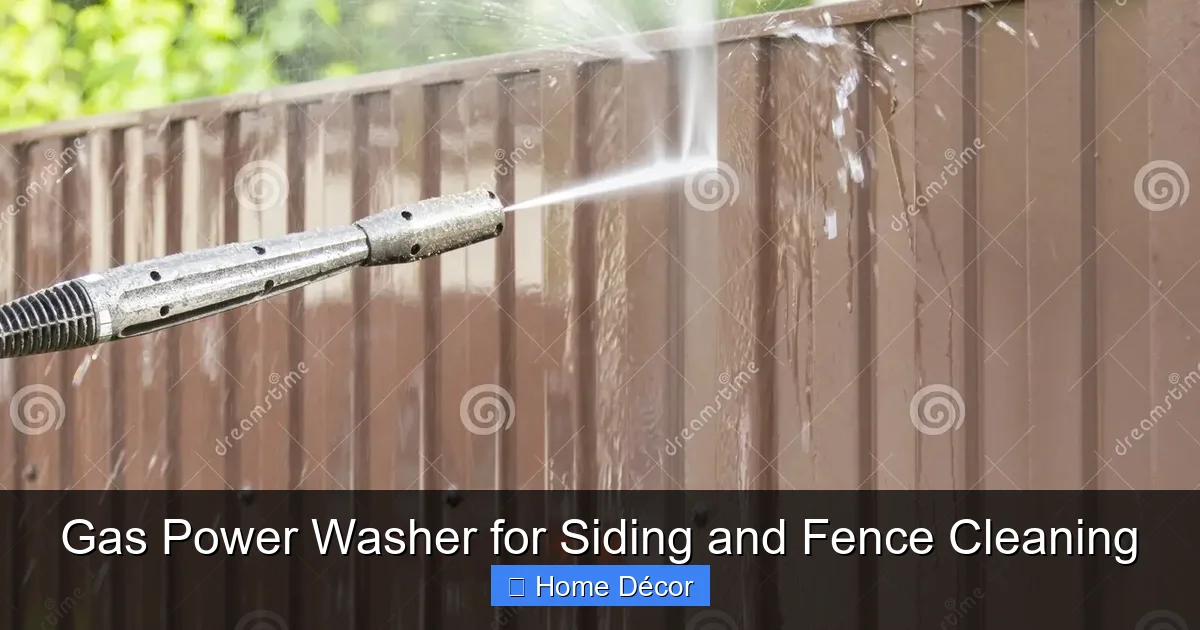
Gas Power Washer for Siding and Fence Cleaning
Transform your home’s exterior with a gas power washer! This guide walks you through selecting the right machine, safely preparing your siding and fence, and using the power washer effectively for a spotless finish. Learn essential maintenance tips and common troubleshooting to ensure a beautiful and well-maintained home.
Gas Power Washer for Siding and Fence Cleaning
Is your home’s siding looking dull and tired? Is your fence covered in the grime of seasons past? A gas power washer can be your secret weapon for restoring their fresh, clean look. But not all power washers are created equal, and using them incorrectly can lead to more harm than good. This comprehensive guide will equip you with all the knowledge you need to confidently choose, operate, and maintain a gas power washer for sparkling siding and fences. We’ll break down everything from understanding the machine’s power to mastering cleaning techniques and ensuring the longevity of your equipment.
- Understand Power Washer Basics: Learn about PSI and GPM to choose the right gas power washer for your specific siding and fence cleaning needs.
- Safety First: Prioritize personal protective equipment (PPE) and understand safe operating procedures to prevent injuries and property damage.
- Proper Surface Preparation: Essential steps like clearing the area, testing detergents, and protecting delicate areas ensure a successful and safe cleaning experience.
- Effective Cleaning Techniques: Master the art of using different nozzle types and maintaining the correct distance from surfaces for optimal results without causing harm.
- Post-Cleaning Maintenance: Understand how to properly flush the system and store your gas power washer to prolong its lifespan and ensure readiness for future use.
Why Choose a Gas Power Washer for Siding and Fences?
When it comes to tackling tough grime on exterior surfaces like siding and fences, a gas power washer offers distinct advantages over its electric counterparts. The raw power generated by a gas engine allows for higher water pressure and flow rates, which are crucial for effectively blasting away stubborn dirt, mold, mildew, algae, and even faded paint. This increased efficiency means you can clean larger areas in less time, making it a practical choice for homeowners looking for powerful and effective cleaning solutions.
Understanding Power Washer Specifications
To make an informed decision, it’s important to understand the key specifications of a gas power washer:
- Pounds per Square Inch (PSI): This measures the water pressure. For siding and fences, a PSI between 1300 and 2000 is generally sufficient. Going too high can damage delicate siding materials.
- Gallons per Minute (GPM): This indicates the water flow rate. A higher GPM means you can rinse away dirt and debris more quickly. Aim for at least 2 GPM for efficient cleaning.
- Engine Size: Larger engines (measured in cubic centimeters or cc) typically produce more power, translating to higher PSI and GPM.
Choosing the Right Gas Power Washer
Selecting the perfect gas power washer for your siding and fence cleaning projects involves considering several factors to ensure you get the power you need without causing damage.
Assessing Your Cleaning Needs
Before you even look at power washers, think about the types of surfaces you’ll be cleaning and how dirty they are.
- Siding Material: Vinyl siding can handle more pressure than wood or stucco. For delicate materials, a lower PSI and a wider spray nozzle are essential.
- Fence Material: Wooden fences may require a gentler approach than vinyl or composite fences, especially if they are older or made of softer wood.
- Severity of Grime: Heavily soiled surfaces with mold or mildew will benefit from a more powerful unit and potentially a cleaning solution.
Key Features to Look For
When shopping for a gas power washer, consider these features:
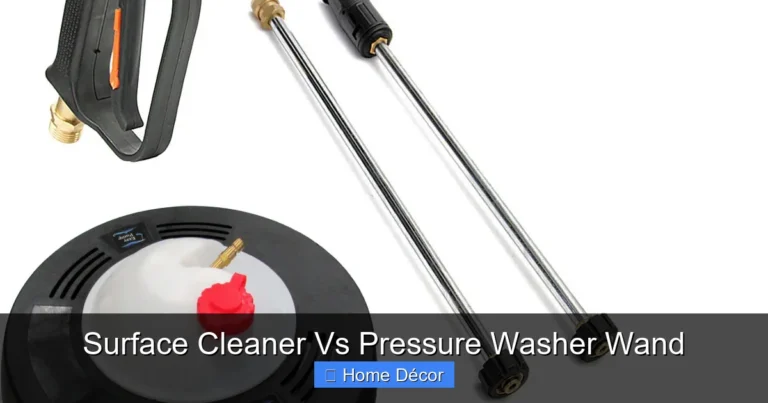
- Adjustable Nozzles: This is crucial for versatility. You’ll want a set of quick-connect nozzles with different spray patterns (e.g., 0-degree, 15-degree, 25-degree, 40-degree, and soap nozzle).
- Detergent Tank/Siphon Tube: This allows you to easily apply cleaning solutions, which can significantly improve results on mold and mildew.
- Durable Engine and Pump: Look for reputable brands known for reliability and longevity.
- Wheels and Handle: A well-designed frame with sturdy wheels makes it easier to move the power washer around your property.
Safety First: Essential Precautions
Operating a gas power washer involves high pressure and potentially hazardous chemicals. Your safety, and the safety of your property, should be your top priority.
Personal Protective Equipment (PPE)
Always wear appropriate PPE before you start:
- Safety Glasses or Goggles: Essential to protect your eyes from water spray, debris, and cleaning solutions.
- Hearing Protection: Gas engines can be loud. Earplugs or earmuffs will prevent hearing damage.
- Gloves: Protect your hands from dirt, cleaning solutions, and the high-pressure spray.
- Closed-Toe Shoes: Sturdy, closed-toe footwear is a must to protect your feet from the spray and potential slips.
- Long Pants and Sleeves: These offer an extra layer of protection against water spray and accidental contact with the nozzle.
Safe Operating Procedures
Follow these guidelines to operate your gas power washer safely:
- Read the Manual: Familiarize yourself with your specific power washer’s operation and safety instructions.
- Stable Surface: Always place the power washer on a flat, stable surface away from direct foot traffic and electrical outlets.
- Never Point at People or Animals: The high-pressure stream can cause serious injury.
- Keep Children and Pets Away: Ensure a safe zone around your work area.
- Understand the Trigger Lock: Learn how to engage and disengage the trigger lock for safety when not actively spraying.
- Be Aware of Kickback: The spray can cause the wand to recoil. Maintain a firm grip.
Preparing Your Siding and Fence for Cleaning
Proper preparation is key to a successful and safe cleaning job. Skipping these steps can lead to ineffective cleaning or even damage.
Clear the Area
Before you begin, clear the work zone:
- Remove Obstacles: Move any furniture, planters, toys, or decorations away from the siding and fence.
- Protect Plants and Landscaping: Cover nearby shrubs, flowers, and garden beds with tarps or plastic sheeting. The high-pressure spray and cleaning solutions can harm delicate plants.
- Turn Off Power and Water: Ensure that any outdoor electrical outlets near the cleaning area are covered or turned off at the breaker. If you have outdoor faucets that could be affected, consider turning off the main water supply to your home, though this is usually not necessary for simple rinsing.
Test Cleaning Solutions
If you plan to use a detergent or cleaning solution, it’s crucial to test it first:
- Choose the Right Solution: Select a detergent specifically designed for siding or fences and compatible with your power washer. For mold and mildew, a bleach-based cleaner or a dedicated mold remover might be necessary, but always use with extreme caution and proper ventilation.
- Apply to an Inconspicuous Area: Before cleaning the entire surface, apply the detergent to a small, hidden spot. This allows you to check for any adverse reactions, such as discoloration or material damage, without it being noticeable.
- Rinse Thoroughly: After testing, rinse the area completely to ensure no residue remains.
Inspect and Prepare the Surfaces
Examine your siding and fence for any loose paint, damaged boards, or compromised seals.
- Secure Loose Items: Ensure all shutters, trim, and other siding elements are securely fastened.
- Address Damaged Areas: If you find loose paint or rotten wood, it’s best to repair these issues before power washing. The pressure can worsen existing damage.
Step-by-Step Siding and Fence Cleaning with a Gas Power Washer
Now that you’re prepared, it’s time to get to work. Follow these steps for effective cleaning.
Step 1: Connect Hoses and Start the Engine
Connect your garden hose to the power washer’s water inlet, ensuring a secure connection to prevent leaks. Turn on the water supply to the power washer and let it run through the pump for a moment to purge any air. Connect the high-pressure hose to both the pump outlet and the spray gun.
Starting the Gas Engine
Follow the manufacturer’s instructions for starting your specific gas engine. Typically, this involves:

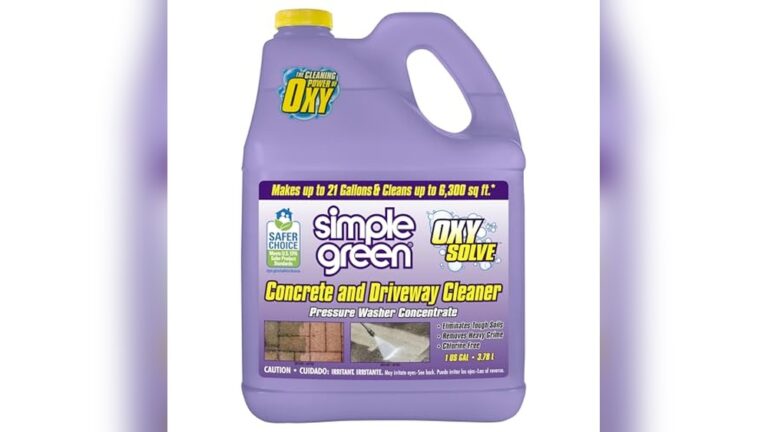
Visual guide about Gas Power Washer for Siding and Fence Cleaning
Image source: m.media-amazon.com
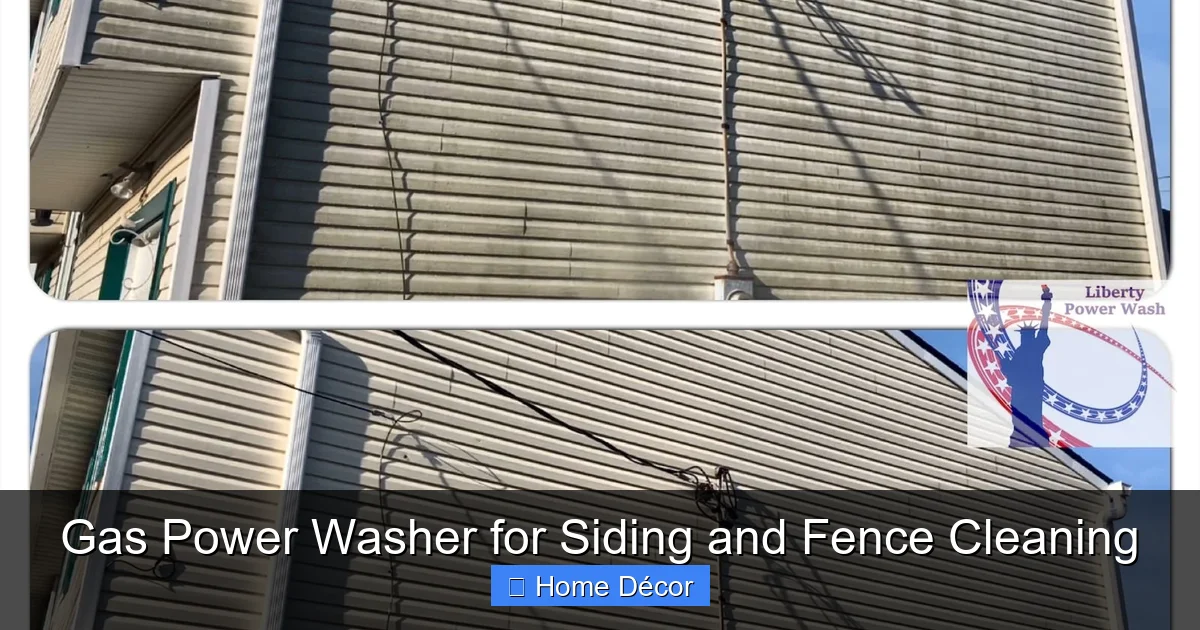
Visual guide about Gas Power Washer for Siding and Fence Cleaning
Image source: libertypowerwash.net
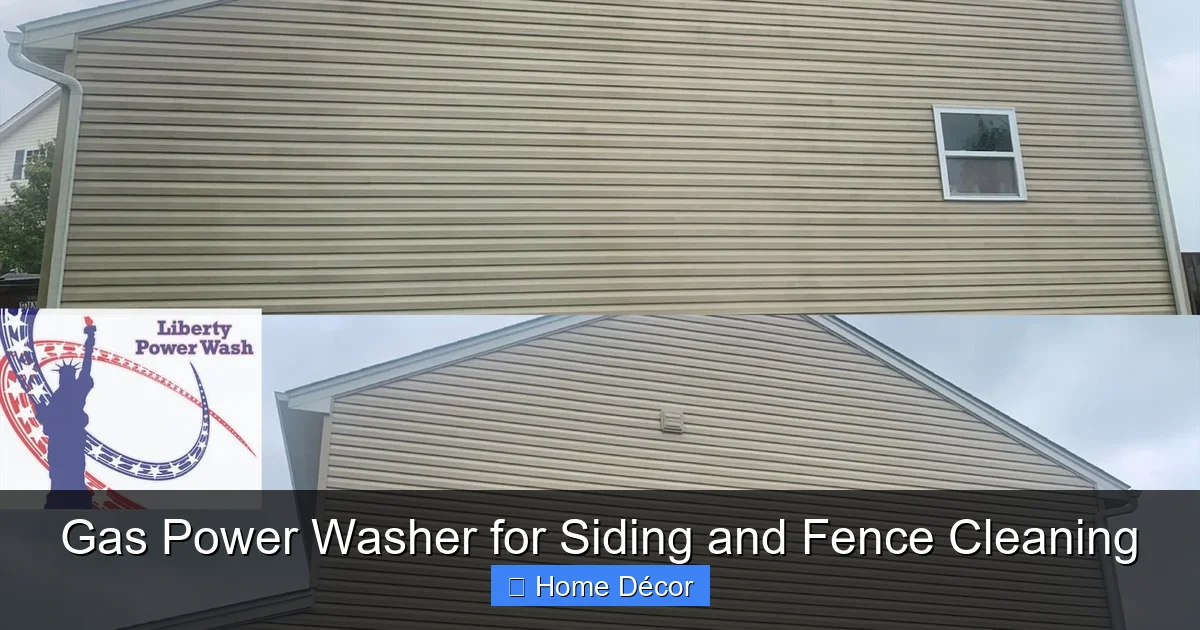
Visual guide about Gas Power Washer for Siding and Fence Cleaning
Image source: libertypowerwash.net
- Ensuring the fuel tank is filled with fresh gasoline.
- Turning the fuel valve to the ‘ON’ position.
- Setting the choke to the ‘START’ or ‘CHOKE’ position.
- Pulling the starter cord firmly until the engine starts.
- Once the engine is running, gradually move the choke to the ‘RUN’ position.
Step 2: Select the Right Nozzle
The nozzle you choose dramatically impacts the cleaning power and potential for damage.
- For Siding: Start with a 40-degree (white) nozzle. This provides a wide spray pattern, spreading the pressure over a larger area and reducing the risk of damage to vinyl, wood, or stucco.
- For Fences: For general cleaning, the 40-degree or 25-degree (green) nozzle is usually appropriate for most fence materials. For very stubborn stains or tougher fence materials, a 15-degree (yellow) nozzle might be used sparingly, but with extreme caution.
- Never use the 0-degree (red) nozzle on siding or fences, as it concentrates the pressure too much and can easily etch or gouge the surface.
Step 3: Apply Cleaning Solution (Optional)
If you’re using a detergent, now is the time to apply it.
- Using the Detergent Tank: Fill the power washer’s onboard detergent tank with your chosen cleaner.
- Using a Siphon Tube: If your unit has a siphon tube, place the end of the tube into your detergent solution.
- Select the Soap Nozzle: Switch to the black soap nozzle (low pressure).
- Apply Evenly: Work in sections, applying the detergent from the bottom up. Allow the detergent to dwell for a few minutes (check the product instructions) to loosen dirt and grime.
- Do not let the detergent dry on the surface.
Step 4: Rinse and Clean the Surfaces
This is where the real cleaning happens.
- Switch Back to Your Cleaning Nozzle: Remove the soap nozzle and attach your selected cleaning nozzle (e.g., 40-degree).
- Maintain Proper Distance: Hold the spray wand at a consistent distance from the surface. For most siding and fences, a distance of 18-24 inches is a good starting point. Adjust as needed.
- Work in Sweeping Motions: Move the wand in smooth, overlapping, sweeping motions. Work from top to bottom, allowing gravity to help wash away the loosened dirt.
- For Fences: Clean one side of the fence at a time. If cleaning a wooden fence, be mindful of the grain.
- Rinse Thoroughly: Ensure all detergent and loosened grime are completely rinsed away. Overlap your strokes during rinsing to avoid leaving streaks.
Step 5: Rinse Delicate Areas Carefully
Some areas may be more sensitive than others.
- Around Windows and Doors: Be extra cautious around window seals, door frames, and any caulking. Use a wider spray pattern and maintain a greater distance to avoid forcing water behind these elements.
- Stucco and Painted Surfaces: These materials can be more porous or prone to damage. Always use a wider nozzle and less pressure, and keep the wand further away.
Post-Cleaning Maintenance for Your Power Washer
Proper maintenance will keep your gas power washer running smoothly for years to come.
Flushing the System
After each use, it’s important to flush the system.
- Disconnect Garden Hose: Turn off the water supply to the power washer and disconnect the garden hose.
- Run the Engine Briefly: Start the gas engine and let it run for about 30 seconds to a minute without a water source connected. This helps to expel any remaining water from the pump, preventing freezing in cold weather and reducing internal corrosion.
- Disconnect High-Pressure Hose: Turn off the engine. Wait for the pressure to dissipate, then disconnect the high-pressure hose.
Cleaning and Storage
Proper storage is crucial for longevity.
- Clean the Filter: If your power washer has a water filter, clean it according to the manufacturer’s instructions. This prevents debris from entering the pump.
- Drain Fuel (for long-term storage): If you won’t be using the power washer for an extended period (e.g., over winter), it’s best to drain the fuel tank and run the engine dry. This prevents fuel from degrading and gumming up the carburetor.
- Store in a Dry Place: Keep the power washer in a dry, protected area, away from extreme temperatures and direct sunlight.
- Wrap Hoses: Neatly wrap the hoses and store them with the power washer.
Troubleshooting Common Power Washer Issues
Even with proper care, you might encounter a few issues.
- No Water Coming Out: Check that the water supply is on, the garden hose is securely connected, and the inlet filter is not clogged. Ensure there’s no air trapped in the system by letting the water run through before starting the engine.
- Low Pressure: This can be caused by a clogged nozzle, a kinked hose, or issues with the pump. Try cleaning or replacing the nozzle. Ensure you’re using the correct nozzle for the desired pressure.
- Engine Won’t Start: Check for sufficient fuel, ensure the fuel valve is open, and verify the choke is set correctly. If the engine is flooded, wait a few minutes and try again. Consult your engine manual for further troubleshooting.
- Water Leaking: Check all hose connections for tightness. Inspect hoses for any damage or cracks. Damaged O-rings on quick-connect fittings can also cause leaks.
Conclusion
Using a gas power washer for siding and fence cleaning can dramatically enhance your home’s curb appeal. By understanding the specifications, prioritizing safety, preparing your surfaces, and employing the right techniques, you can achieve professional-looking results with confidence. Remember to always read your power washer’s manual for specific instructions and to perform regular maintenance to ensure your investment continues to serve you well for many cleaning seasons to come. With a little practice and care, your siding and fence will look refreshed and revitalized.