Noise Level of Electric Pressure Washers Explained
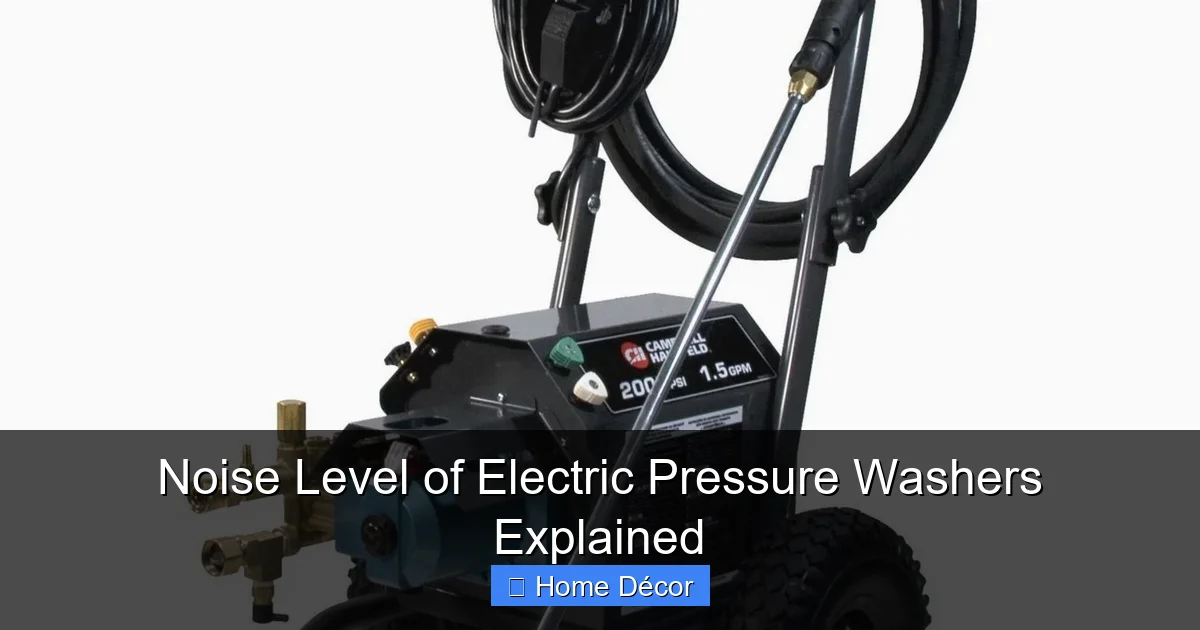
Electric pressure washers are incredibly useful for home cleaning tasks, but they can also be quite noisy. This guide offers an in-depth understanding of the noise levels of these devices, including how to measure and control them for a more peaceful cleaning experience.
Key Takeaways
- Understanding Noise Level: Decibel (dB) is the unit used to measure the noise level of electric pressure washers.
- Factors Affecting Noise Levels: The motor power, washer design, and distance from the device influence the noise level.
- Measuring Noise Level: Using a sound level meter can help you accurately measure the noise from your pressure washer.
- Noise Reduction Techniques: There are multiple ways to reduce the noise, from choosing the right model to using sound barriers or silencers.
- Regulations & Guidelines: Different regions have noise regulations that should be adhered to when operating electric pressure washers.
Introduction
Electric pressure washers are versatile tools used for numerous outdoor cleaning tasks around the house. However, one of the common concerns among users is the noise these machines generate. This guide aims to explain the noise level of electric pressure washers, why it matters, and how you can manage it.
Understanding Noise Level of Electric Pressure Washers
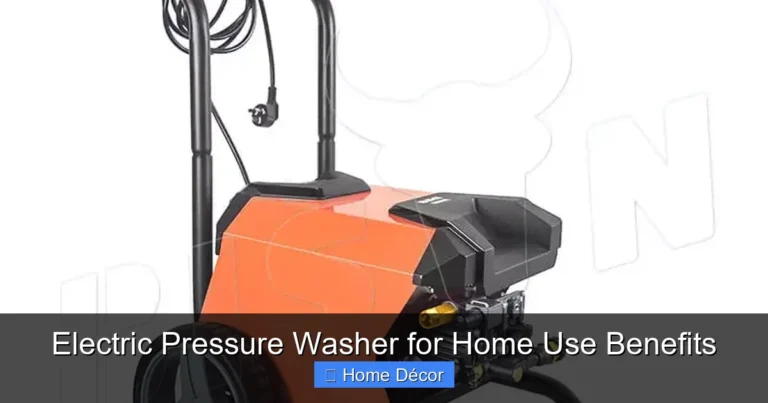
The noise level of an electric pressure washer is usually measured in decibels (dB). On average, these devices produce noise levels ranging between 70-90 dB, which is comparable to the sound of a vacuum cleaner or a hairdryer.
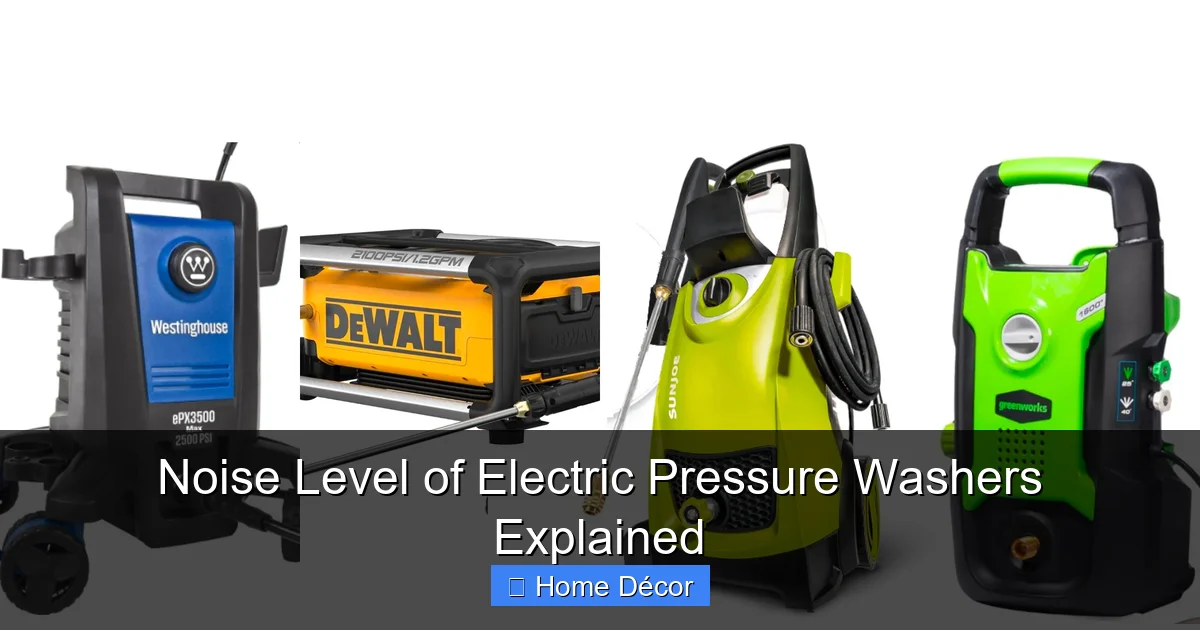
Visual guide about Noise Level of Electric Pressure Washers Explained
Image source: popsci.com
Factors Affecting Noise Levels
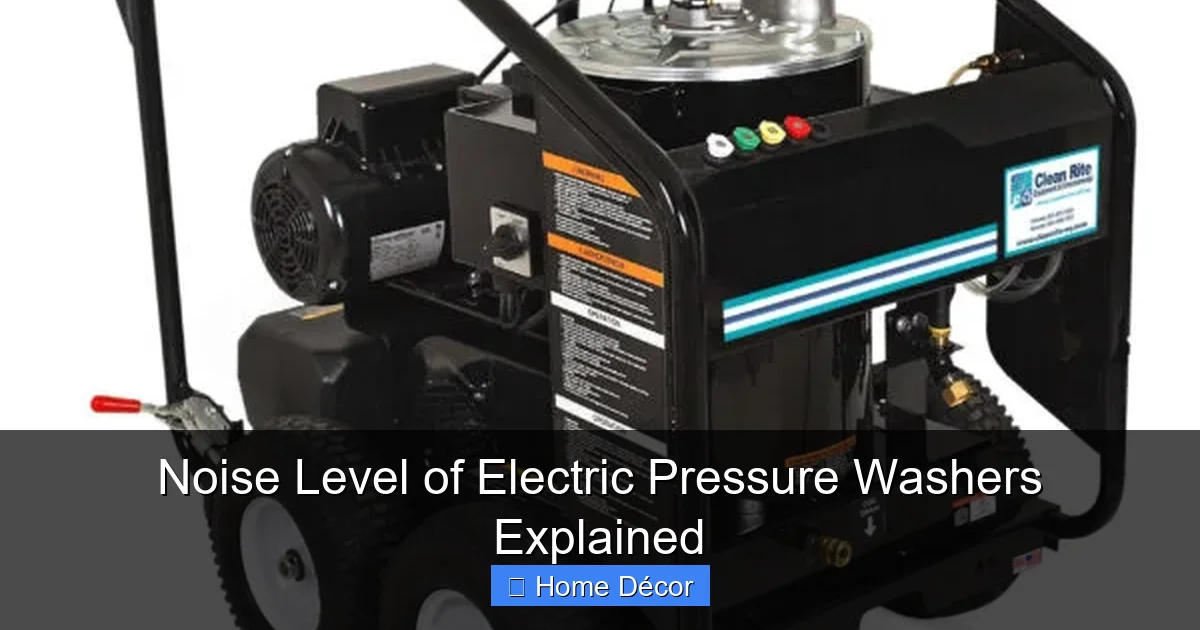
Various factors contribute to the noise level of electric pressure washers. These include:
Visual guide about Noise Level of Electric Pressure Washers Explained
Image source: cleanrite-eq.com
Motor Power
Generally, the more powerful the motor, the louder the noise. More powerful motors generate more vibrations, contributing to higher dB levels.
Washer Design
The design of the washer also influences the noise level. Some models are designed to muffle the sound, while others might amplify it.
Distance
The closer you are to the machine, the louder it will seem. As sound travels, it disperses, and its intensity decreases.
Measuring Noise Level
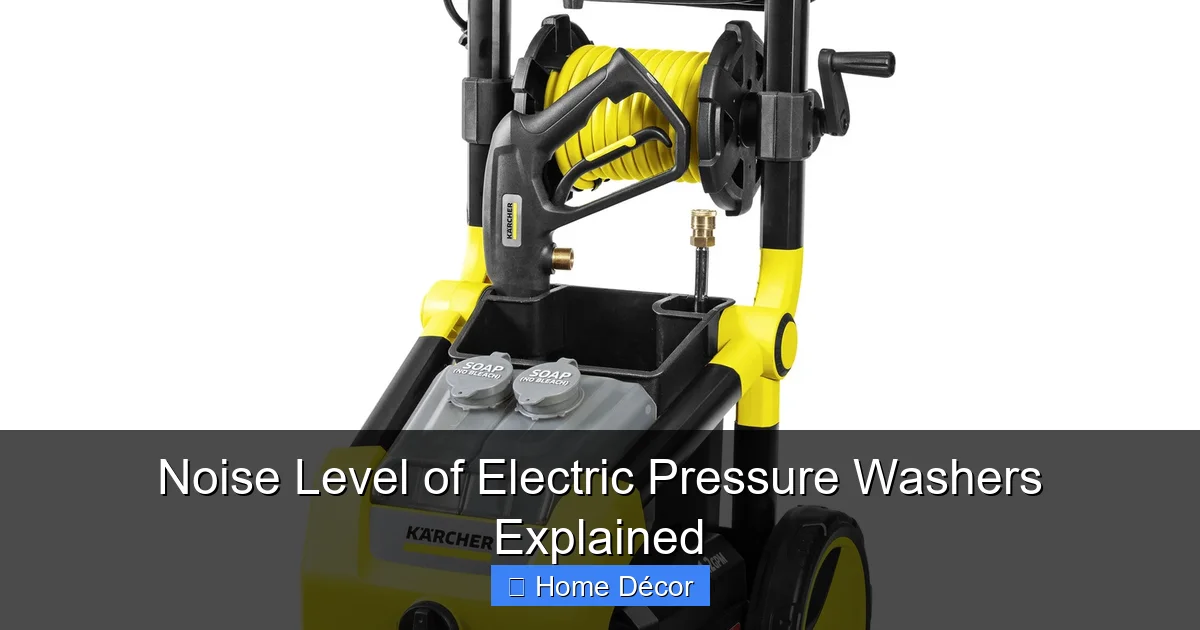
To accurately measure the noise level of your electric pressure washer, you can use a sound level meter. It’s a handheld device that measures the intensity of sound in dB. To get an accurate reading, turn on the pressure washer and measure the sound from a distance of about 3 meters.
Visual guide about Noise Level of Electric Pressure Washers Explained
Image source: s1.kaercher-media.com
Noise Reduction Techniques
You can use several techniques to reduce the noise level of your electric pressure washer:
Choose the Right Model
Some models are designed to be quieter than others. Look for models with built-in sound dampening technology when buying a pressure washer.
Use Sound Barriers
Installing sound barriers around the washer can help to absorb the sound and reduce the overall noise level.
Use Silencers
Using an exhaust silencer can help reduce the noise produced by the motor.
Regulations & Guidelines
It’s important to note that there are regulations and guidelines concerning noise pollution in different regions. Always ensure your electric pressure washer complies with these regulations to avoid penalties.
Conclusion
While electric pressure washers can be noisy, understanding the factors that contribute to the noise, knowing how to measure it, and implementing noise reduction techniques can help manage and control the noise level for a more peaceful cleaning experience.